Ubajara National Park
Brazil's smallest national park, where a cable car drops off an escarpment to a limestone cave of chambers and formations.
Updated 29 August 2026
Ubajara sits on the Ibiapaba escarpment, the long ridge that divides Ceara from Piaui, and the humidity trapped against it supports a pocket of wet forest inside otherwise dry country. The park is small - around six thousand hectares, the smallest in the Brazilian national system - and its centrepiece is the cave: a limestone system of linked chambers with stalactites, columns and named formations, entered on guided visits. Getting down is the other half of the experience, either by cable car dropping several hundred metres off the escarpment face in a few minutes, or on foot by a steep trail of about three kilometres that takes a couple of hours each way. The mirante at the top looks out over the plain, and there are waterfalls on the forest trails.
What you'll find
- A cable car off the escarpment - a few hundred metres of descent to the cave mouth.
- The limestone cave - linked chambers of stalactites and columns, visited with a guide.
- Brazil's smallest national park - about six thousand hectares on the Ibiapaba ridge.
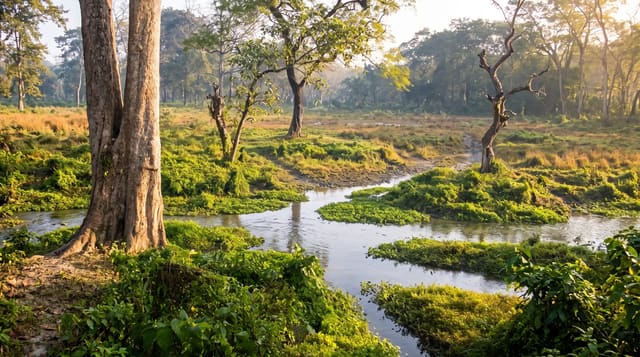
- Wet forest in dry country - the humidity pocket held against the escarpment.
When to go
June to November. A day. The cable car queues from mid-morning.
Things to know
The cable car closes for maintenance periodically, and the alternative is a steep walk. Cave visits run in timed guided groups and cannot be done alone. The cave is not lit throughout. Fortaleza is a long drive away.
Nearby
Ubajara town is three kilometres below; Tiangua and the Ibiapaba plateau are north.
Key facts
Source: Wikidata, item Q631981, read on 18 October 2026.
What to pack for Ubajara National Park
Chosen from what this place is for. Tap a kit for the full checklist.
- Broken-in walking shoes or boots - Grip and ankle support matter more than looks; never hike in brand-new boots. Find on Amazon
- Head torch + spare batteries - Hands-free light is essential; caves are truly dark. Find on Amazon
- Binoculars - The single best wildlife tool - even a compact pair transforms a sighting. Find on Amazon
- Strong insect repellent - DEET or picaridin; the jungle is where bites and disease risk are highest. Find on Amazon
Some links on this page are Amazon affiliate links - if you buy through them we may earn a small commission at no extra cost to you.
All packing kitsPlan your trip
Where to start if Ubajara National Park is going on the list.
Booking links on this page are affiliate links - if you book through them we may earn a small commission at no extra cost to you. It never changes what we write about a place.
Opening times, ticket prices and seasonal closures change - check the official source before you go: official site.