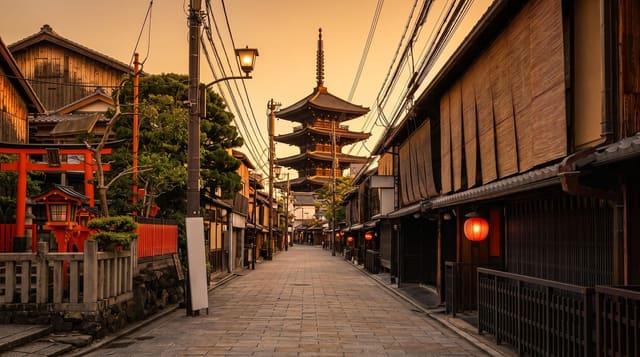
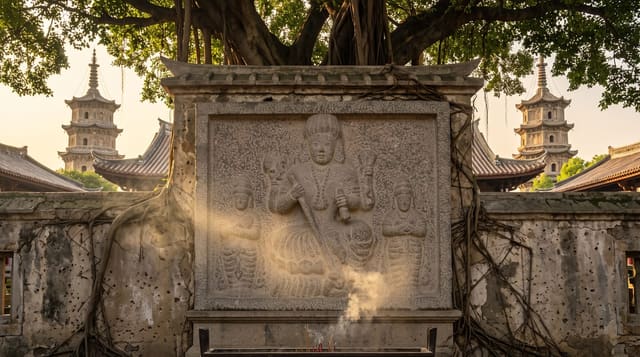
Salvador and the Pelourinho
The Afro-Brazilian soul of Brazil - a UNESCO old town of brightly painted colonial mansions and baroque churches, alive with Afro-Bahian music, dance and culture, high above the sea.
Updated 14 August 2026

AI illustration
UNESCO World Heritage
Salvador, the first capital of colonial Brazil, is the vibrant heart of Afro-Brazilian culture, and its historic centre, the Pelourinho, is a UNESCO gem of brightly painted colonial mansions, cobbled squares and gilded baroque churches perched on a bluff above the sea. Once the hub of the slave trade, it pulses today with the music, dance, capoeira, cuisine and Candomblé religion of its rich Afro-Bahian heritage.
What's there
- The Pelourinho - the colourful colonial old town and its squares.
- The baroque churches - the gilded São Francisco church and others.
- The Afro-Bahian culture - the drumming, capoeira and dance.
- The Elevador Lacerda - the historic lift between the upper and lower towns.
When to go
September to March for the warmest, driest weather; the city's own carnival, one of the biggest in Brazil, and the festivals of the Afro-Brazilian calendar are vibrant times to visit, if crowded.
Before you go
The historic centre is liveliest by day; in the evening the activity draws in around the main squares, where drum groups and concerts gather the crowds. Its history includes the painful legacy of slavery, which its living Afro-Brazilian culture proudly reclaims. It is hot and humid, and touts work the tourist areas.
Nearby
The beaches of Bahia and the island of Itaparica are close; the coast stretches north and south.
Key facts
Source: Wikidata, item Q1928594, read on 18 October 2026.
What to pack for Salvador and the Pelourinho
Chosen from what this place is for. Tap a kit for the full checklist.
- Reef-safe sunscreen - High SPF that will not bleach the coral you are swimming over. Find on Amazon
- Strong insect repellent - DEET or picaridin; the jungle is where bites and disease risk are highest. Find on Amazon
- Comfortable walking shoes - Sightseeing means kilometres of pavement and cobbles daily. Find on Amazon
- Quick-dry towel - A microfibre towel packs small and dries in minutes. Find on Amazon
Some links on this page are Amazon affiliate links - if you buy through them we may earn a small commission at no extra cost to you.
All packing kitsPlan your trip
Where to start if Salvador and the Pelourinho is going on the list.
Booking links on this page are affiliate links - if you book through them we may earn a small commission at no extra cost to you. It never changes what we write about a place.
Opening times, ticket prices and seasonal closures change - check the official source before you go: official site.