Tarija
A warm, unhurried city in the far south with a wine culture, palm-lined plazas and its own way of speaking.
Updated 18 October 2026
Tarija sits at around 1,850 metres in a broad valley in the far south, and it feels different from the rest of Bolivia: warmer, greener, with a Mediterranean climate, a Spanish accent closer to northern Argentina, and a self-image built on wine, food and a slower pace, so that Bolivians call the people chapacos and the city Andalusian. The plaza has palms and jacarandas, the old centre has one and two-storey houses with wrought-iron balconies, and the surrounding valley grows grapes at some of the highest altitudes anywhere. Fossil collections in the local museum reflect an unusually rich palaeontological area. The city is the base for the wine route in the Concepción valley and for Sama and the condor canyons.
History
Before the Incas the valley was home mainly to the Churumatas and the Moyos Moyos, whom the Incas dispersed across the Andes, and the first Spanish expedition, that of Pedro de Candia with 200 men, stayed here from September 1539 to February 1540. By then the valley was largely emptied of people, and in 1574 the conquistador Luis de Fuentes founded the city as San Bernardo de la Frontera de Tarixa, bringing Tomatas from the San Juan del Oro River to resettle it; in colonial times Franciscans planted the first vines here (Wikipedia, Tarija).
What's there
- The palm plaza - jacarandas and colonial arcades in the centre.
- Chapaco culture - the food, music and speech of the southern valley.
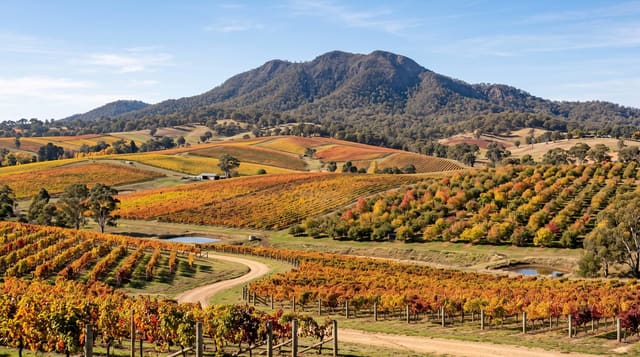
- The wine valleys - vineyards on the slopes around the city.
- The fossil museum - the palaeontology of the Tarija basin.
When to go
March to May and September to November for the most comfortable weather; the vintage falls around February and March. Summer brings heat and rain. Winter nights are cool but days are mild.
What to expect
The city has few conventional sights and the appeal is atmosphere and food, which does not suit every visitor. It is a long way from the rest of the country, with flights or a long mountain drive. Wine tours need arranging and vary in quality.
Nearby
Valle de la Concepción lies south; the Cinti valley is northwest.
Key facts
Source: Wikidata, item Q35004, read on 18 October 2026.
What to pack for Tarija
Chosen from what this place is for. Tap a kit for the full checklist.
- Comfortable walking shoes - Sightseeing means kilometres of pavement and cobbles daily. Find on Amazon
- Shelter suited to the place - Tent, tarp or hut booking - match it to the terrain and rules. Find on Amazon
- A slim anti-theft daypack - Zips that close properly; keep it in front in crowds and on transit. Find on Amazon
- A warm sleeping bag + mat - Rated a little colder than you expect the nights to be. Find on Amazon
Some links on this page are Amazon affiliate links - if you buy through them we may earn a small commission at no extra cost to you.
All packing kitsPlan your trip
Where to start if Tarija is going on the list.
Booking links on this page are affiliate links - if you book through them we may earn a small commission at no extra cost to you. It never changes what we write about a place.
Opening times, ticket prices and seasonal closures change - check the official source before you go: official site.