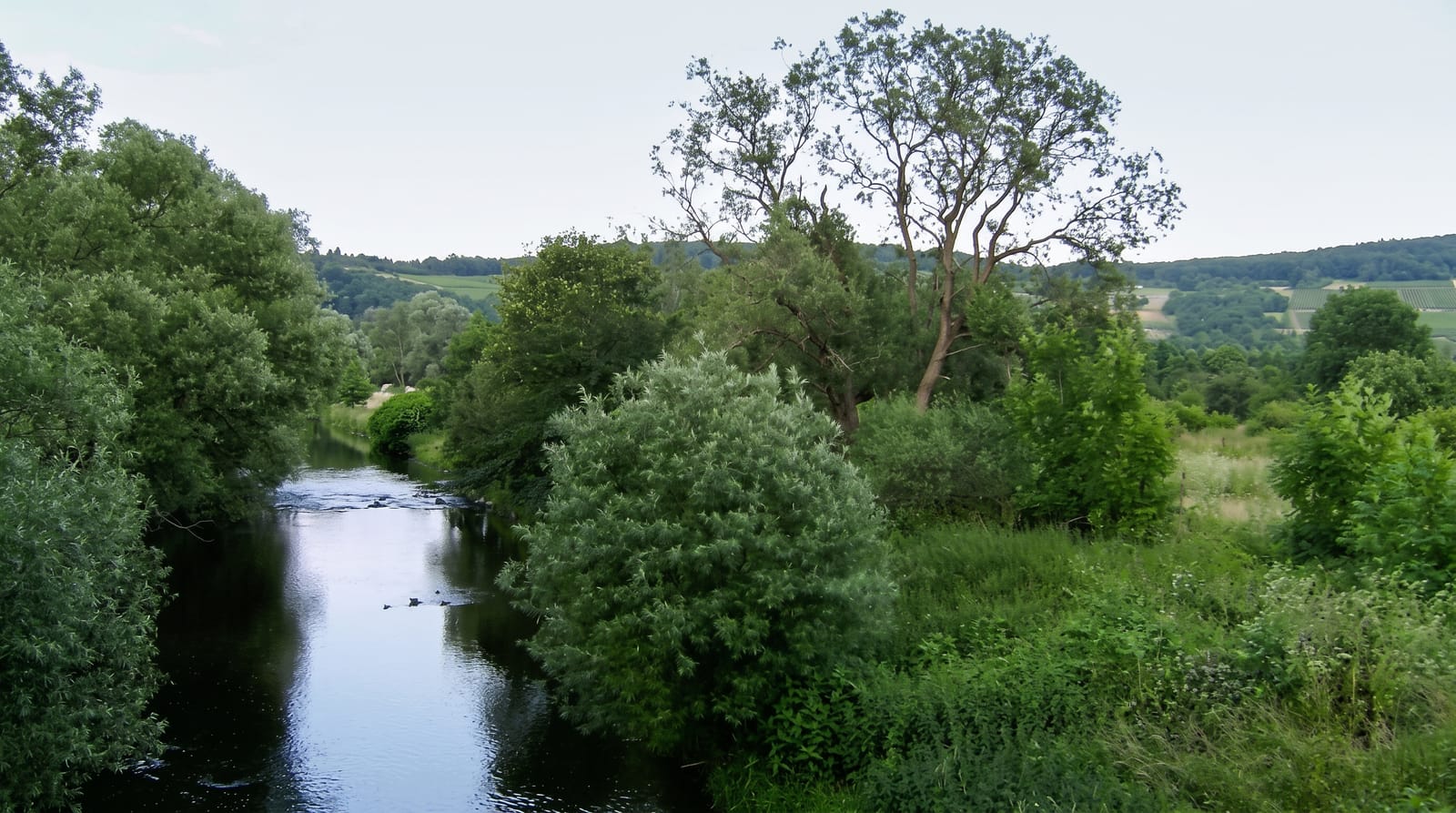
Valle de la Concepción
Tarija's vineyard valley, where grapes grow above 1,800 metres and the distillate singani is made.
Updated 1 September 2026
The Concepción valley south of Tarija is the centre of Bolivian winemaking, and its distinction is altitude: vineyards here sit between roughly 1,700 and 2,400 metres, among the highest commercial plantings in the world, where intense ultraviolet light thickens grape skins and the wide day-to-night temperature swing keeps acidity, producing wines with strong colour and structure. The other product is singani, a grape spirit distilled from Muscat of Alexandria, protected as a Bolivian denomination and the base of the chuflay, the national mixed drink. Wineries along the valley range from large operations to family bodegas, most receiving visitors for tours and tastings. The valley is warm, dry and planted with vines against bare hills.
Highlights
- High-altitude vineyards - plantings between 1,700 and 2,400 metres.
- Singani distilling - the Muscat spirit made and aged in the valley.
- Family bodegas - small producers alongside the larger wineries.
- The dry valley - vines against bare hills and irrigation channels.
When to go
February to April covers the vintage and the harvest festival; the wineries work then and the valley is busiest. Tastings run year round but tours are more interesting during picking and pressing.
Things to know
Larger wineries require booking and smaller ones may be closed without notice. Public transport is limited, so a driver or tour is usual, and tasting means someone must not drink. Bolivian wine is little known abroad and quality varies widely between producers.
Nearby
Tarija lies north; the Cinti valley is northwest.
Key facts
Source: Wikidata, item Q137399949, read on 18 October 2026.
What to pack for Valle de la Concepción
Chosen from what this place is for. Tap a kit for the full checklist.
- A reusable bag or container - For market produce and cutting down on packaging. Find on Amazon
- Wet wipes + hand sanitiser - Street food and washbasins do not always go together. Find on Amazon
Some links on this page are Amazon affiliate links - if you buy through them we may earn a small commission at no extra cost to you.
All packing kitsPlan your trip
Where to start if Valle de la Concepción is going on the list.
Booking links on this page are affiliate links - if you book through them we may earn a small commission at no extra cost to you. It never changes what we write about a place.
Opening times, ticket prices and seasonal closures change - check the official source before you go: official site.