Trinidad
The capital of the Beni, a hot cattle-country city of motorcycles built on the ancient earthworks of the Moxos plain.
Updated 18 October 2026
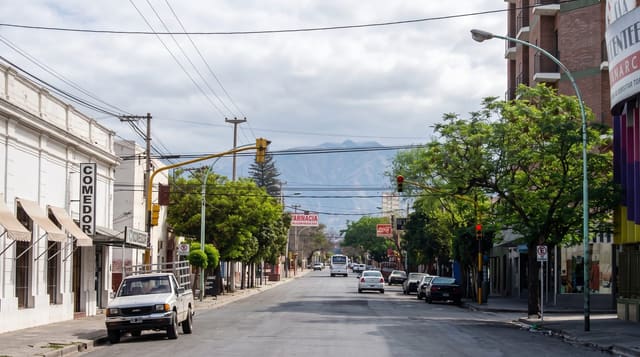
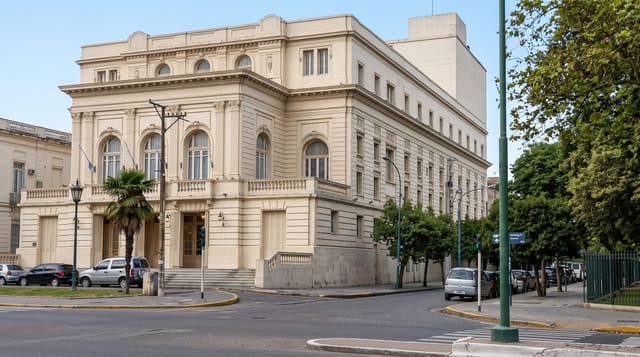
Trinidad sits on the Moxos plain at around 150 metres, the capital of the Beni and the centre of Bolivian cattle ranching, a flat hot city where almost everyone travels by motorcycle and the traffic circling the plaza is a constant buzz. Its wider interest lies underneath: the surrounding plain carries thousands of raised earthworks, causeways, canals and mounds built by pre-Columbian societies to farm a landscape that floods for months each year, an engineered agricultural system on an enormous scale that was only properly recognised in recent decades and has substantially changed how the pre-Columbian Amazon is understood. Some mounds, the lomas, are accessible near the city. The Mamoré river nearby carries boats and river dolphins.
History
Father Cipriano Barace founded the town in 1686 on the Mamoré River, and in 1769 floods and disease forced it to move 9 miles to its present site (Wikipedia, Trinidad, Beni).
What's there
- The motorcycle plaza - the city's traffic circling the central square.
- Raised earthworks - the pre-Columbian lomas and causeways on the plain.
- Cattle country - the ranching economy of the Beni around the city.
- The Mamoré river - boats and river dolphins a short distance away.
When to go
May to October, the dry season, when roads are passable and the heat is a little less oppressive. The wet months flood the plain, which is when the ancient earthworks make most sense but travel is hardest.
Good to know
The city is hot, humid and has few conventional sights. The archaeological earthworks are low and unspectacular on the ground; understanding them takes reading or a guide. Roads out of the city are poor. Mosquito precautions matter.
Nearby
San Ignacio de Moxos lies west; the Mamoré river runs north.
Key facts
Source: Wikidata, item Q34986, read on 18 October 2026.
What to pack for Trinidad
Chosen from what this place is for. Tap a kit for the full checklist.
- Binoculars - The single best wildlife tool - even a compact pair transforms a sighting. Find on Amazon
- Strong insect repellent - DEET or picaridin; the jungle is where bites and disease risk are highest. Find on Amazon
- Comfortable walking shoes - Sightseeing means kilometres of pavement and cobbles daily. Find on Amazon
- A zoom camera or long lens - Animals rarely come close; reach beats megapixels. Find on Amazon
Some links on this page are Amazon affiliate links - if you buy through them we may earn a small commission at no extra cost to you.
All packing kitsPlan your trip
Where to start if Trinidad is going on the list.
Booking links on this page are affiliate links - if you book through them we may earn a small commission at no extra cost to you. It never changes what we write about a place.
Opening times, ticket prices and seasonal closures change - check the official source before you go: official site.