Wine Country Without the Snobbery
Eight wine regions that welcome beginners - Douro terraces, Mendoza sunshine, Tokaj cellars - and how to visit without knowing a tannin from a tram.
Illustrative image.
Some links on this page are Amazon affiliate links - if you buy through them we may earn a small commission at no extra cost to you. We only list the kind of gear we would pack ourselves.
You do not need vocabulary to enjoy wine country - the regions below are first about landscape, cellars and long lunches, and the wine explains itself. Eight welcoming ones, no expertise required at any door.
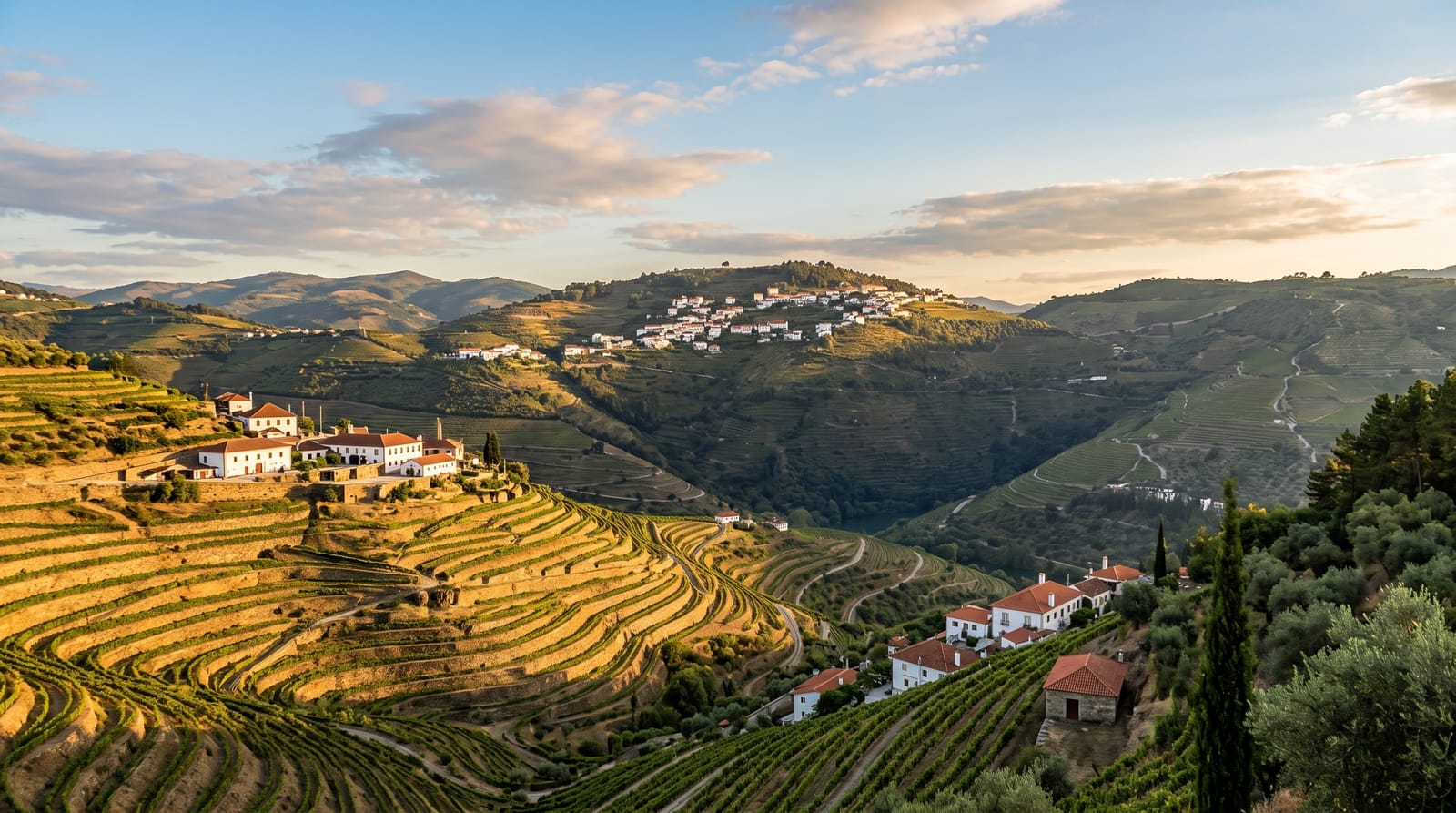
1. Douro Valley, Portugal
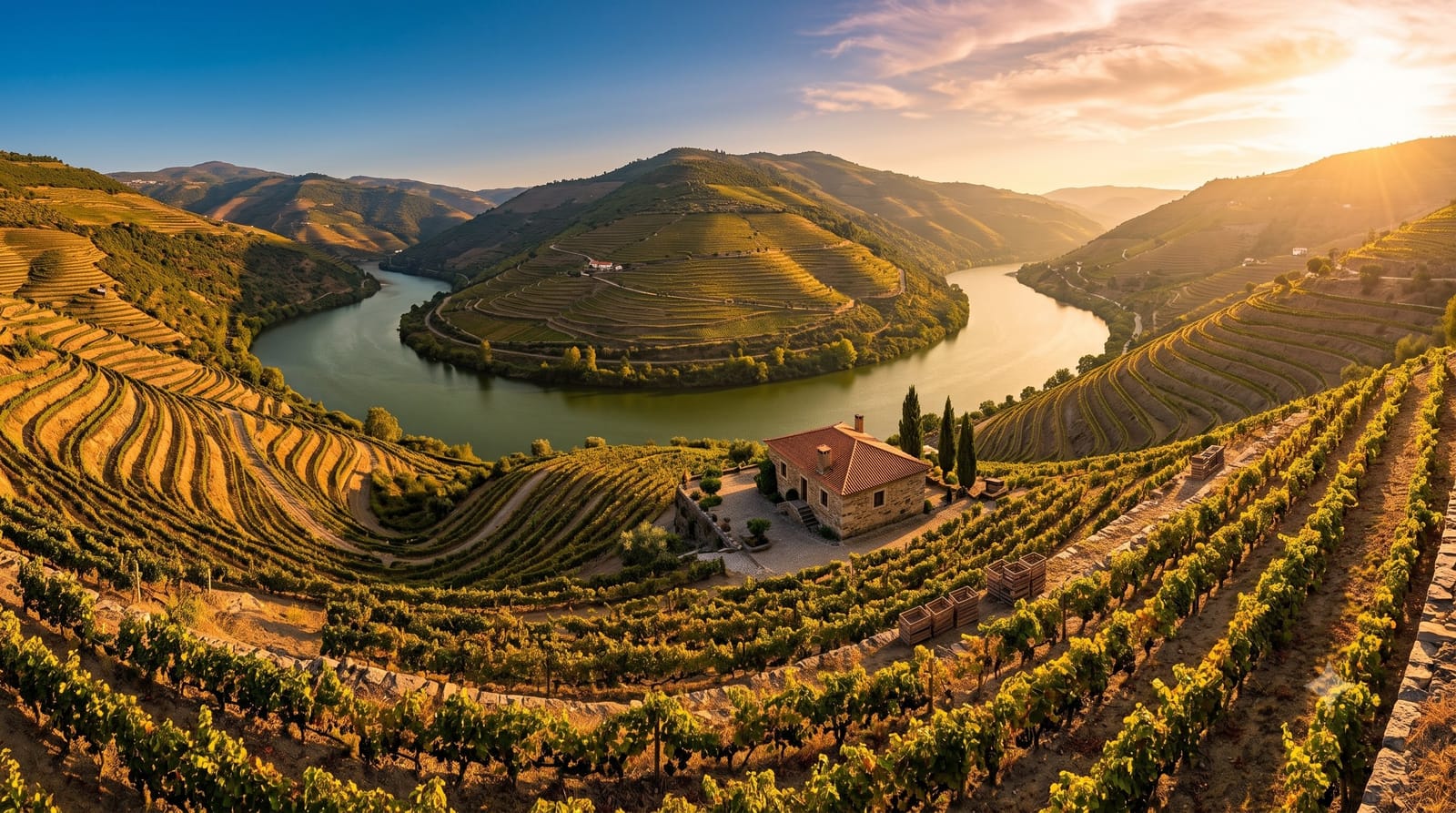
Possibly Europe's most beautiful wine landscape: terraced vineyards folding into a green river gorge, UNESCO-listed and best seen from the water or the little riverside train. The Douro makes port - taste it upriver at the quintas, then trace it to Porto's riverside where the lodges age it.
2. Mendoza, Argentina
Malbec with the Andes as a backdrop: Mendoza does wine tourism with Argentine warmth - bicycle routes between wineries, long grilled lunches under pergolas, snowcaps over the vines. Pair it with our Argentina notes and remember dinner starts at ten.
3. Tokaj, Hungary
The sweet wine kings once toasted with, from a small UNESCO region of volcanic hills and mould-blackened cellars going down centuries. Tokaj is wonderfully unpretentious - family cellars, candlelit tastings, prices from another era - and the aszu wines convert sweet-wine sceptics on the first glass.
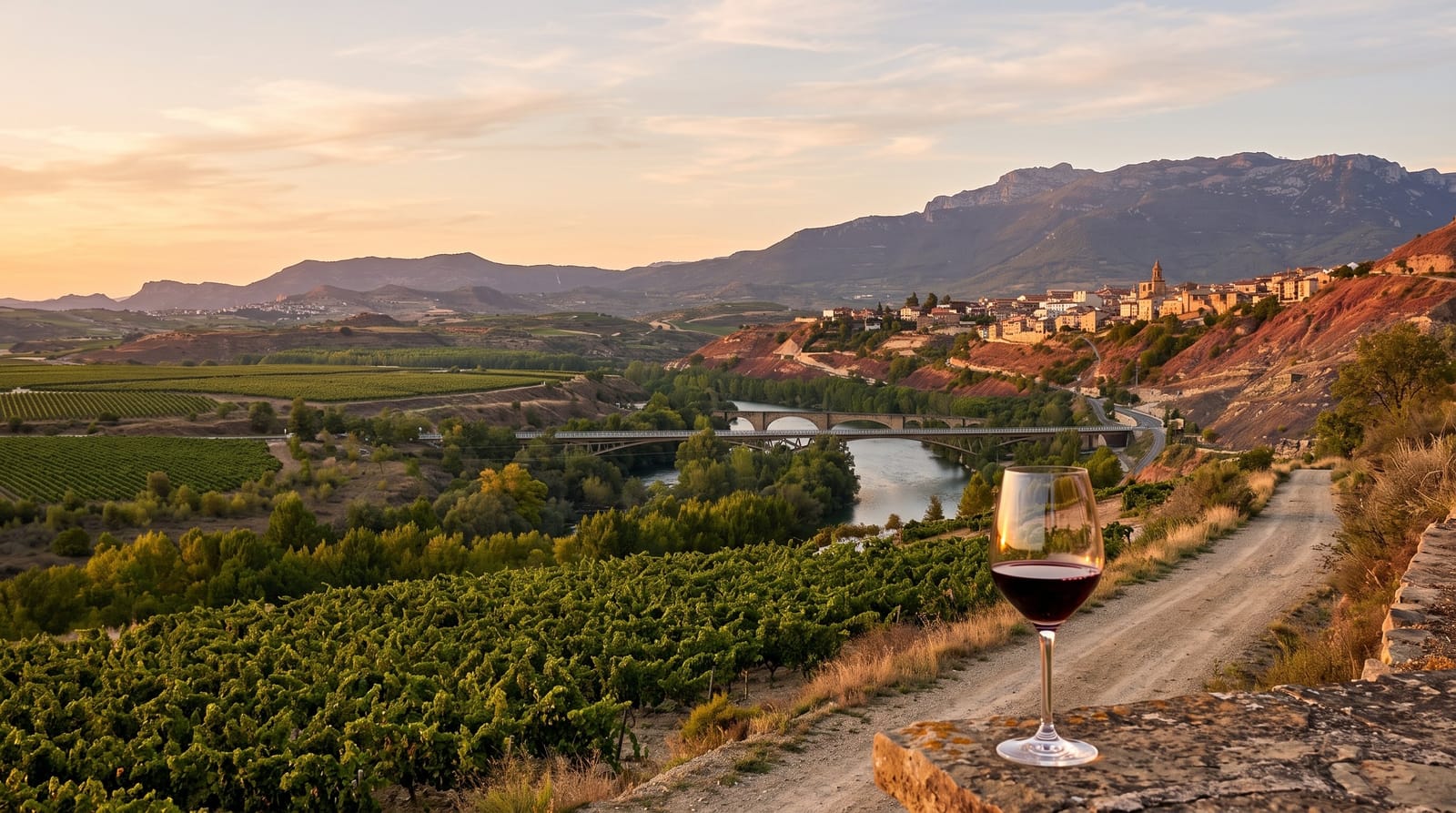
4. Rioja, Spain
Spain's flagship region wears its status lightly: medieval villages, avant-garde winery buildings by star architects, and tempranillo served without ceremony alongside excellent lamb. Rioja works beautifully as a driving loop from Bilbao, tapas crawls included.
5. Chianti, Italy
The postcard: cypress lanes, stone farmhouses, olive groves between the vine rows. Chianti between Florence and Siena is as much about the driving and the lunches as the black rooster on the bottle - agriturismo stays put you inside the postcard overnight.
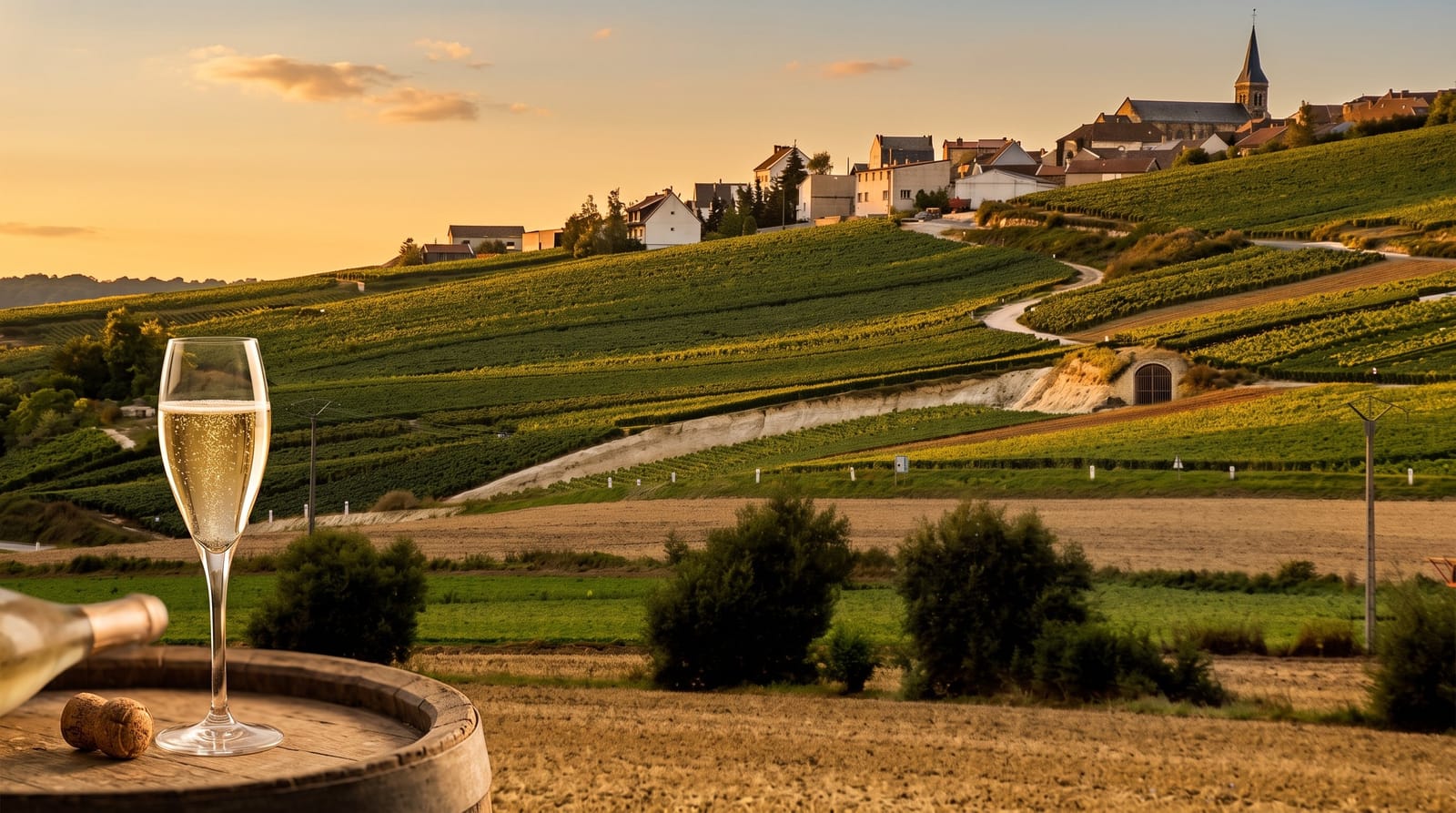
6. Champagne, France
The only sparkling wine allowed the name comes from chalk hills east of Paris, and the Champagne region's cellars - cathedral-scale chalk caverns under Reims and Epernay - are as memorable as the tasting. Small grower-producers charge a fraction of the famous houses and pour with more patience.
7. Chile's valleys
From Pacific-cooled sauvignon to mountain cabernet an hour from Santiago, Chilean wine country is the hemisphere's easiest add-on - many valleys are day trips from the capital, and carmenere, the lost Bordeaux grape rediscovered here, is the story every guide loves telling.
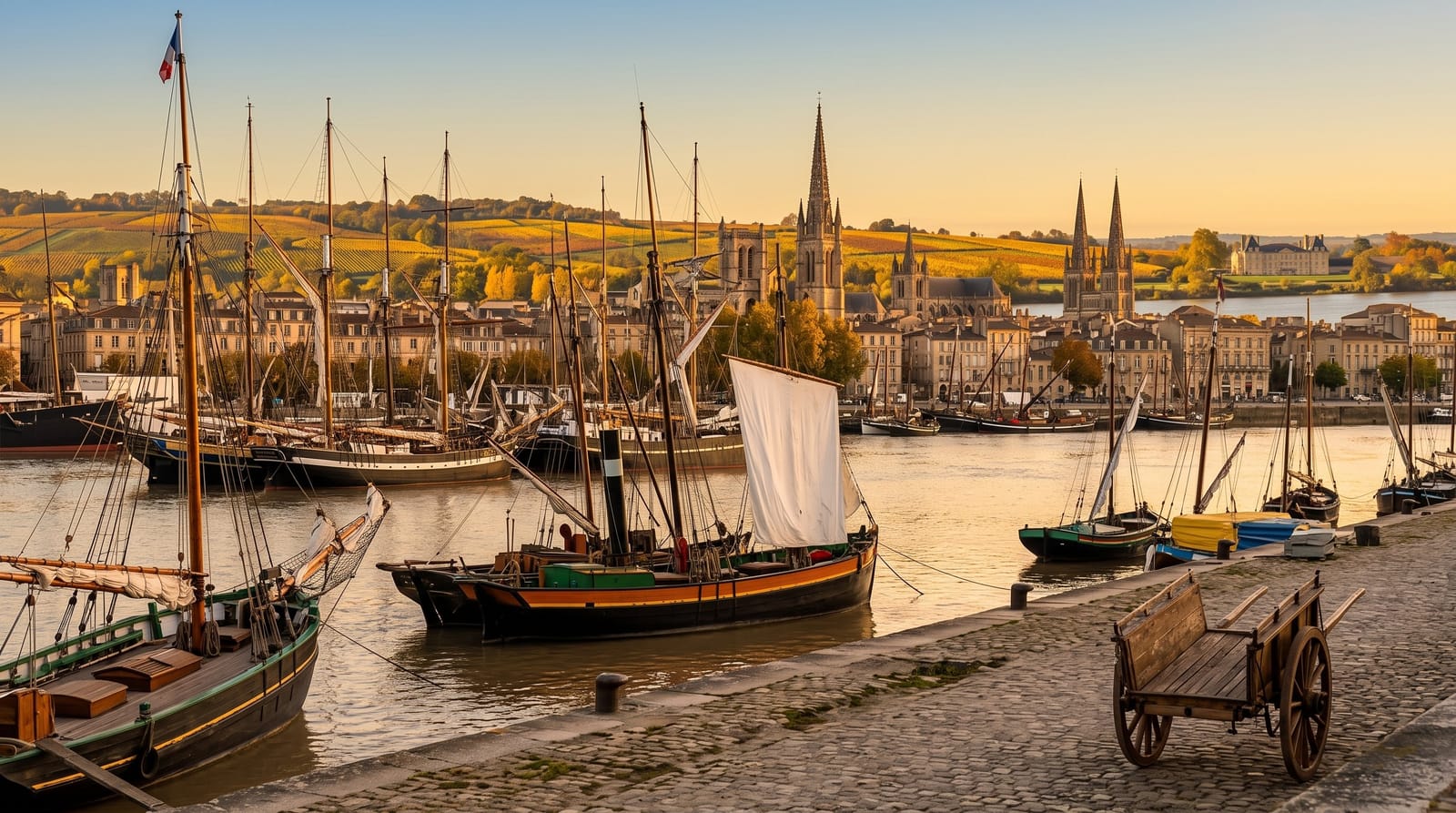
8. Bordeaux, France
The intimidating name, the surprisingly friendly reality: Bordeaux rebuilt itself for visitors with a dazzling wine museum, bike paths through Medoc, and Saint-Emilion's medieval lanes. Skip the grand chateaux that require introductions; hundreds of others pour happily for walk-ins.
The only rules that matter
Book tastings a day ahead, never drive the tasting roads yourself (tours and drivers exist everywhere), and buy the bottle you actually liked, not the famous one. A padded bottle protector gets it home intact. More regions live in our food category - and when to go matters: harvest months are wine country's festival season.