Alice Springs Desert Park
A park recreating three central Australian habitats, with a nocturnal house holding animals almost never seen in the wild.
Updated 4 September 2026
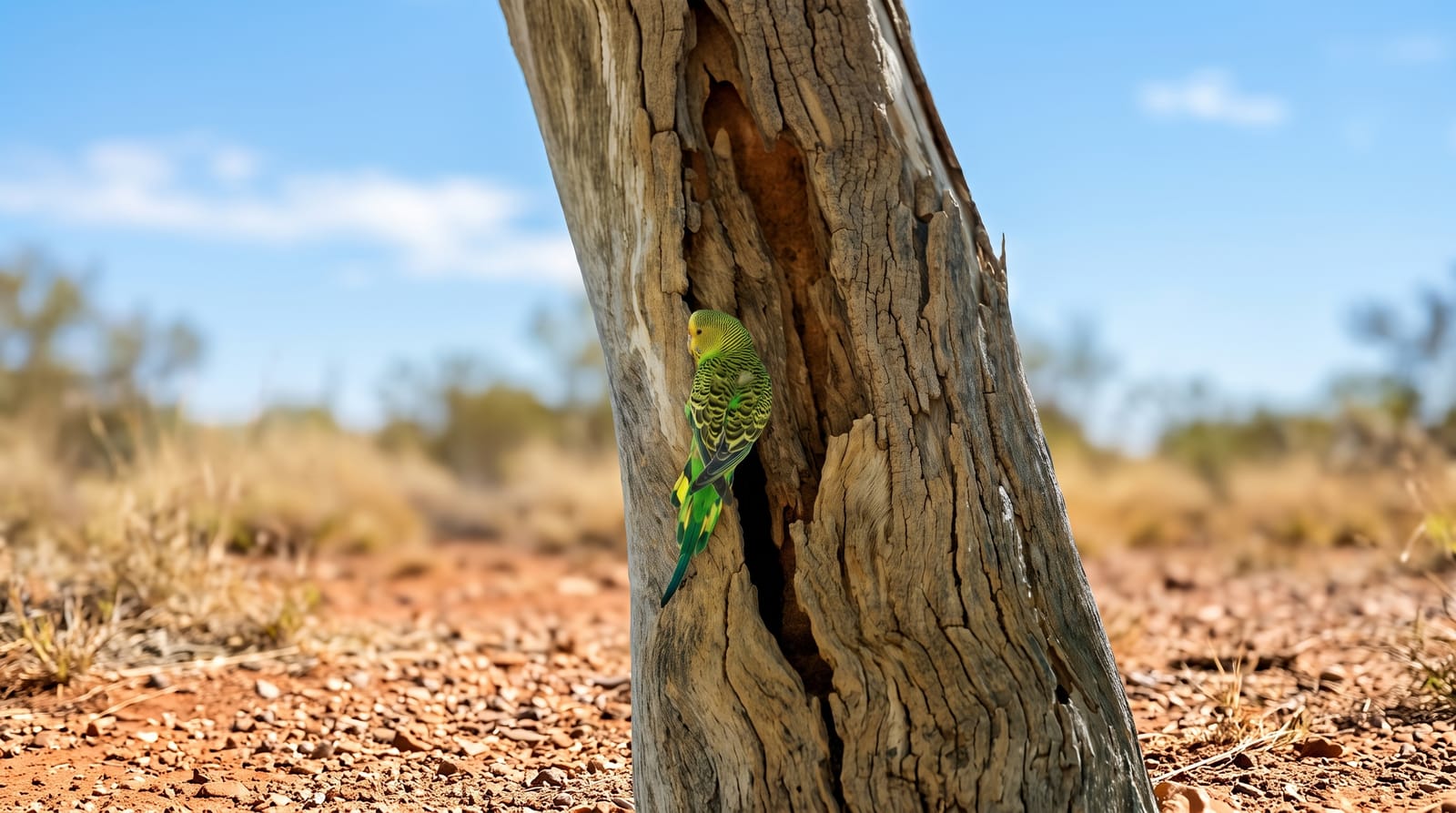
AI illustration
The Desert Park sits below the MacDonnell Ranges outside Alice Springs and takes an unusual approach: rather than a zoo layout, it recreates three habitats, desert rivers, sand country and woodland, with the plants, birds and animals of each, and interpretation drawn from Arrernte knowledge alongside science. The nocturnal house is its strongest element, holding bilbies, mala, quolls, thorny devils, marsupial moles and other species that are functionally impossible to see in the wild, many of them part of breeding programmes. A free-flight bird show demonstrates raptors and desert birds hunting. Aboriginal guides run tours explaining bush foods, tools and land management.
What you'll find
- The nocturnal house - bilbies, quolls and other rarely seen desert mammals.
- The habitat aviaries - birds of the desert rivers, sand and woodland.
- The free-flight bird show - raptors and desert birds demonstrated daily.
- The Aboriginal guided tours - bush foods, tools and land knowledge.
When to go
April to September; summer temperatures pass forty degrees and the outdoor sections are hard going. Mornings are best for animal activity and the bird show. The park opens daily with the nocturnal house on a timed circuit.
Things to know
Entry is charged and the park is large, involving considerable walking in the sun between habitats. Many of the star species are nocturnal and seen only in dim red light indoors. Summer heat limits comfortable visiting to the early morning.
Nearby
Alice Springs is ten minutes east; the West MacDonnell Ranges begin just beyond.
Key facts
Source: Wikidata, item Q2572243, read on 18 October 2026.
What to pack for Alice Springs Desert Park
Chosen from what this place is for. Tap a kit for the full checklist.
- Loose, light, long clothing - Covering up beats bare skin in the desert - and locals dress this way for a reason. Find on Amazon
- Comfortable walking shoes - Sightseeing means kilometres of pavement and cobbles daily. Find on Amazon
- A wide-brim hat + sunglasses - Shade for your face and eyes where there is none overhead. Find on Amazon
- A slim anti-theft daypack - Zips that close properly; keep it in front in crowds and on transit. Find on Amazon
Some links on this page are Amazon affiliate links - if you buy through them we may earn a small commission at no extra cost to you.
All packing kitsPlan your trip
Where to start if Alice Springs Desert Park is going on the list.
Booking links on this page are affiliate links - if you book through them we may earn a small commission at no extra cost to you. It never changes what we write about a place.
Opening times, ticket prices and seasonal closures change - check the official source before you go: official site.


