Oc Eo Archaeological Site
A port of the Funan kingdom where Roman coins were dug up, on a plain that used to be coast.
Updated 30 August 2026
Oc Eo was a port city of Funan, the first substantial state known in mainland South East Asia, occupied from roughly the first to the seventh century, and it was identified by the French archaeologist Louis Malleret in the 1940s. What made it internationally significant was what came out of the ground: Roman coins including a medallion of Antoninus Pius, Indian seals and beads, Persian and Chinese material - direct evidence that this delta was a node on the maritime route between the Mediterranean and China. The sea has since retreated many kilometres, leaving the site inland. Vietnam has been preparing a World Heritage nomination for it.
What you'll find
- A Funan port city - occupied from about the first to the seventh century.
- Roman, Indian and Persian finds - including a medallion of Antoninus Pius.
- A maritime trade node - between the Mediterranean and China.
- A site now inland - the sea has retreated many kilometres.
When to go
December to April, the dry season. Half a day.
Practical notes
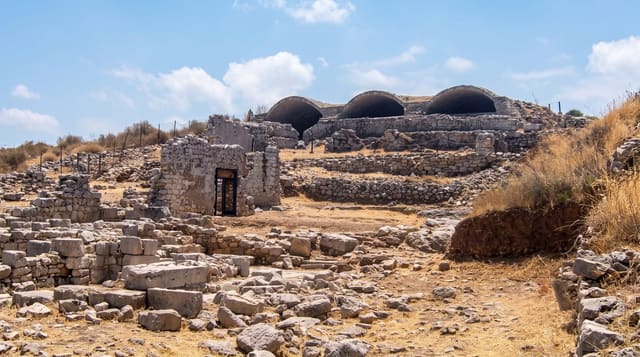
What is exposed is foundations and excavation areas rather than standing buildings. The main finds are in museums at Long Xuyen and Ho Chi Minh City. Interpretation is limited. The site is hot and shadeless.
Nearby
Ba The mountain is beside it; Long Xuyen is north-east.
Key facts
Source: Wikidata, item Q2344822, read on 18 October 2026.
What to pack for Oc Eo Archaeological Site
Chosen from what this place is for. Tap a kit for the full checklist.
- Comfortable walking shoes - Sightseeing means kilometres of pavement and cobbles daily. Find on Amazon
- A slim anti-theft daypack - Zips that close properly; keep it in front in crowds and on transit. Find on Amazon
- A refillable water bottle - Many cities have public fountains; save money and plastic. Find on Amazon
- A light layer + compact umbrella - For museum air-con and a sudden shower. Find on Amazon
Some links on this page are Amazon affiliate links - if you buy through them we may earn a small commission at no extra cost to you.
All packing kitsPlan your trip
Where to start if Oc Eo Archaeological Site is going on the list.
Booking links on this page are affiliate links - if you book through them we may earn a small commission at no extra cost to you. It never changes what we write about a place.
Opening times, ticket prices and seasonal closures change - check the official source before you go: official site.