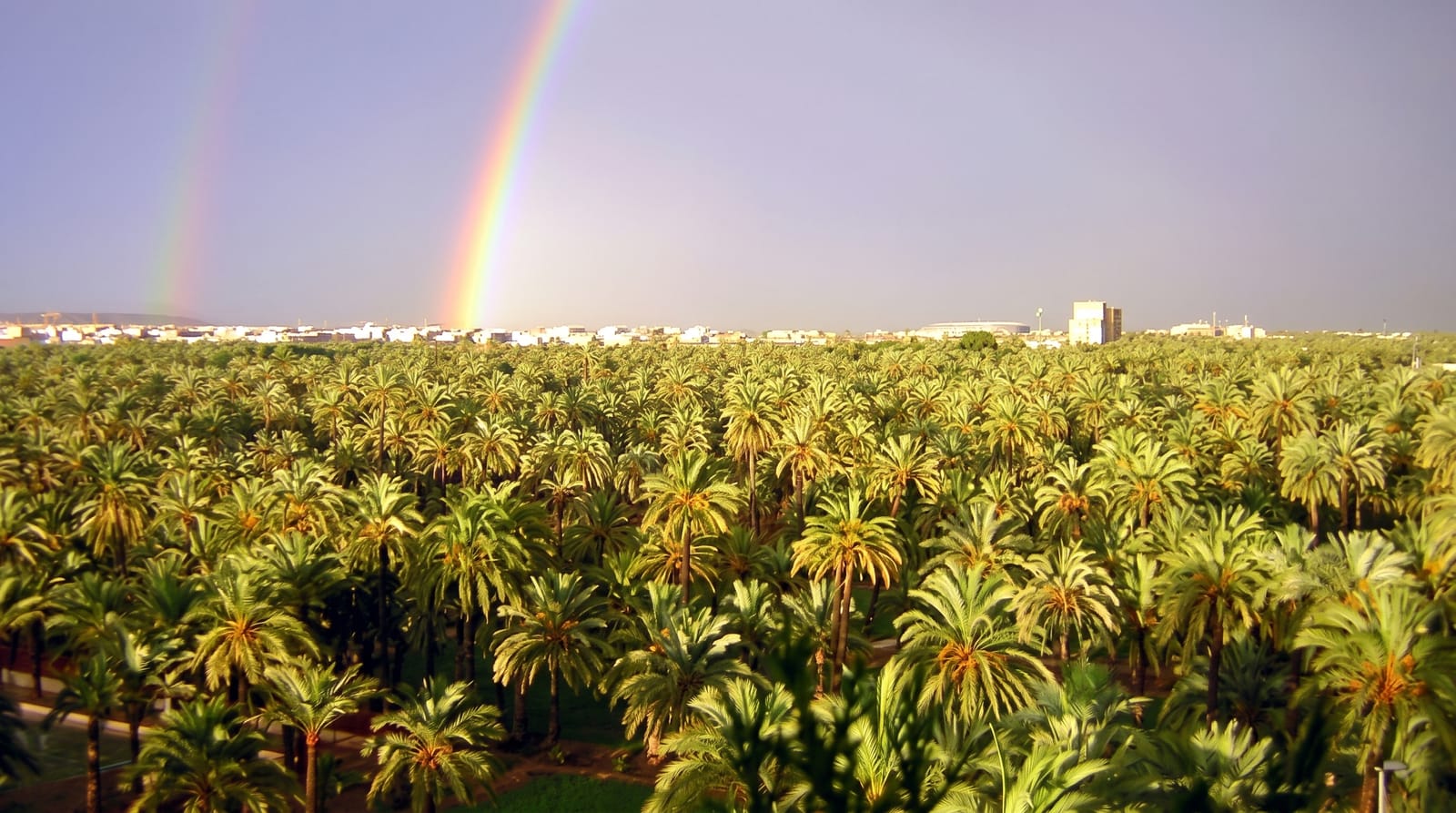
Butia Palm Groves
Vast stands of the native butia palm across Rocha, an ecosystem in slow decline for want of young trees.
Updated 14 October 2026
The palmares of Rocha are stands of Butia odorata spread over tens of thousands of hectares, the largest of their kind, and they are old: most of the palms standing are well over a century, and grazing has stopped almost all natural regeneration, so the groves are ageing without replacement. The fruit is used for jam, liqueur and a spirit, and conservation projects are trying to get seedlings through the cattle.
Highlights
- The palm stands - tens of thousands of hectares of native butia across the countryside.
- The ageing problem - groves of old palms with almost no young trees coming through.
- The fruit products - jam, liqueur and spirit made from butia by local producers.
- The grassland setting - the palms standing over open cattle country.
When to go
October to April; fruiting runs from January into March, which is when the products are made. The groves are accessible year round from the roads. Winter is wet underfoot.
What to expect
Most of the groves are on private cattle land and are seen from the road unless a farm visit is arranged. The ecosystem is genuinely threatened and the scale of the problem is not obvious to a casual look. There is little formal interpretation.
Nearby
Castillos is central to the groves, and Laguna de Castillos is south.
What to pack for Butia Palm Groves
Chosen from what this place is for. Tap a kit for the full checklist.
- Broken-in walking shoes or boots - Grip and ankle support matter more than looks; never hike in brand-new boots. Find on Amazon
- Layers + a waterproof shell - Mountain weather turns fast; a packable rain jacket saves the day. Find on Amazon
- Daypack with rain cover - 20-30 litres holds water, snacks, layers and a first-aid kit. Find on Amazon
- Offline maps + a power bank - Download the trail before you lose signal; carry backup charge. Find on Amazon
Some links on this page are Amazon affiliate links - if you buy through them we may earn a small commission at no extra cost to you.
All packing kitsPlan your trip
Where to start if Butia Palm Groves is going on the list.
Booking links on this page are affiliate links - if you book through them we may earn a small commission at no extra cost to you. It never changes what we write about a place.
Opening times, ticket prices and seasonal closures change - check the official source before you go: official site.