Laguna Negra
A large dark freshwater lagoon in Rocha, fringed by palm groves and dunes and rich in birds.
Updated 21 October 2026
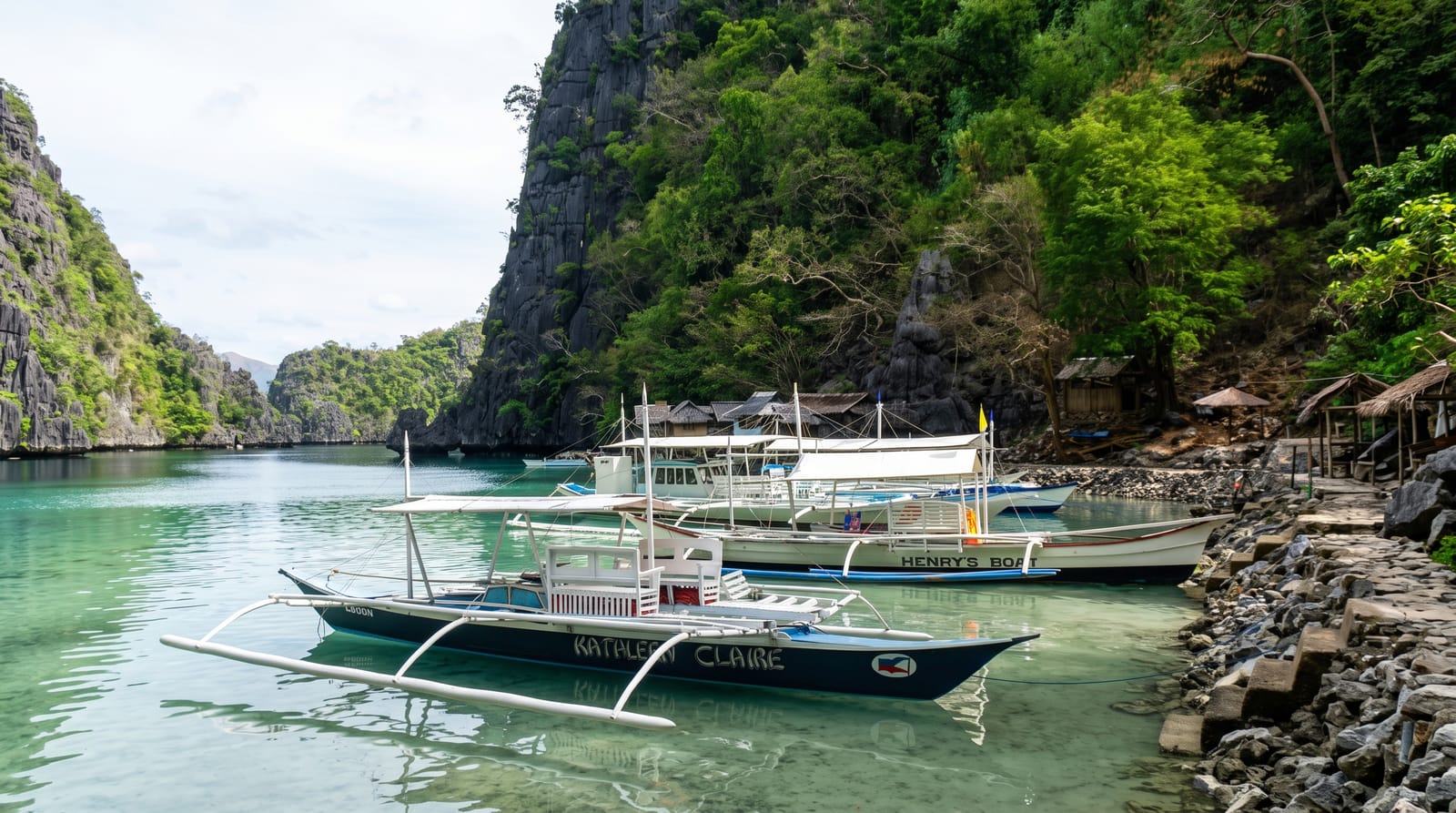
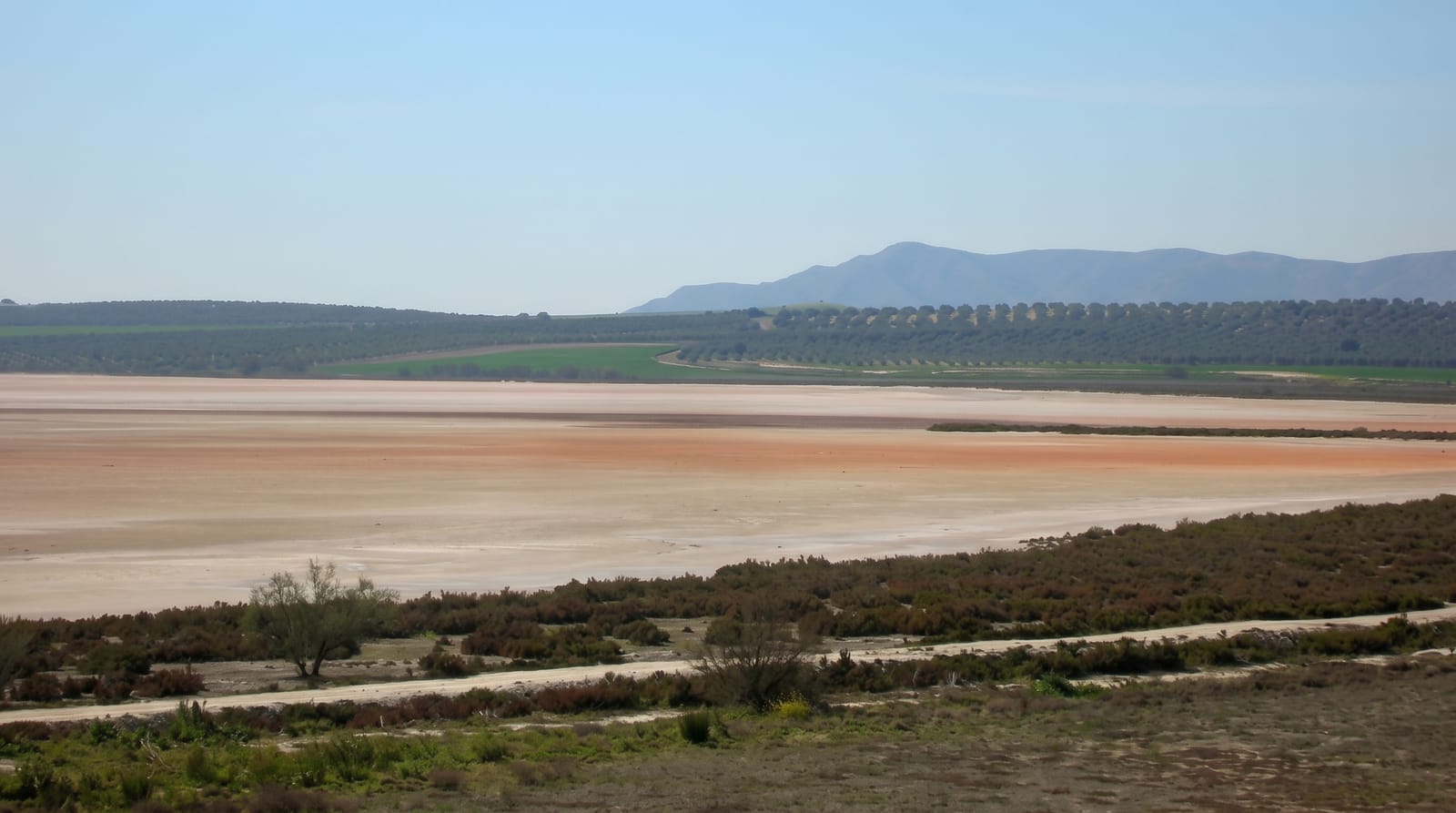
Laguna Negra takes its name from the colour of its water, stained dark by the tannins of the surrounding wetland, and it is one of the largest freshwater lagoons in the country, also called Laguna de los Difuntos, the lagoon of the dead,. Palm groves of butiá stand along parts of its shore, dunes separate it from the sea, and the wetlands around it hold capybara, marsh deer and a very long bird list. It sits within the Bañados del Este biosphere reserve.
The landscape
- The dark water - the tannin-stained lagoon that gives the place its name.
- The butia palm groves - stands of the native palm along parts of the shore.
- The marsh deer - one of the strongholds of the species in Uruguay.
- The bird list - herons, storks, ducks and raptors across the wetland.
When to go
October to April is best for birds and for the tracks. Winter is wet and access becomes difficult. Early morning is best for wildlife.
Practical notes
Access tracks are unsurfaced and often impassable after rain. There is no formal visitor infrastructure. Mosquitoes in the wetland are severe in summer.
Nearby
Santa Teresa is east, and Laguna de Castillos is west.
Key facts
Source: Wikidata, item Q1031618, read on 18 October 2026.
What to pack for Laguna Negra
Chosen from what this place is for. Tap a kit for the full checklist.
- Broken-in walking shoes or boots - Grip and ankle support matter more than looks; never hike in brand-new boots. Find on Amazon
- Reef-safe sunscreen - High SPF that will not bleach the coral you are swimming over. Find on Amazon
- Binoculars - The single best wildlife tool - even a compact pair transforms a sighting. Find on Amazon
- Loose, light, long clothing - Covering up beats bare skin in the desert - and locals dress this way for a reason. Find on Amazon
Some links on this page are Amazon affiliate links - if you buy through them we may earn a small commission at no extra cost to you.
All packing kitsPlan your trip
Where to start if Laguna Negra is going on the list.
Booking links on this page are affiliate links - if you book through them we may earn a small commission at no extra cost to you. It never changes what we write about a place.
Opening times, ticket prices and seasonal closures change - check the official source before you go: official site.