Sleeping Bear Dunes National Lakeshore
Perched dunes standing high above Lake Michigan, sitting on glacial moraine rather than being made of sand throughout.
Updated 20 October 2026
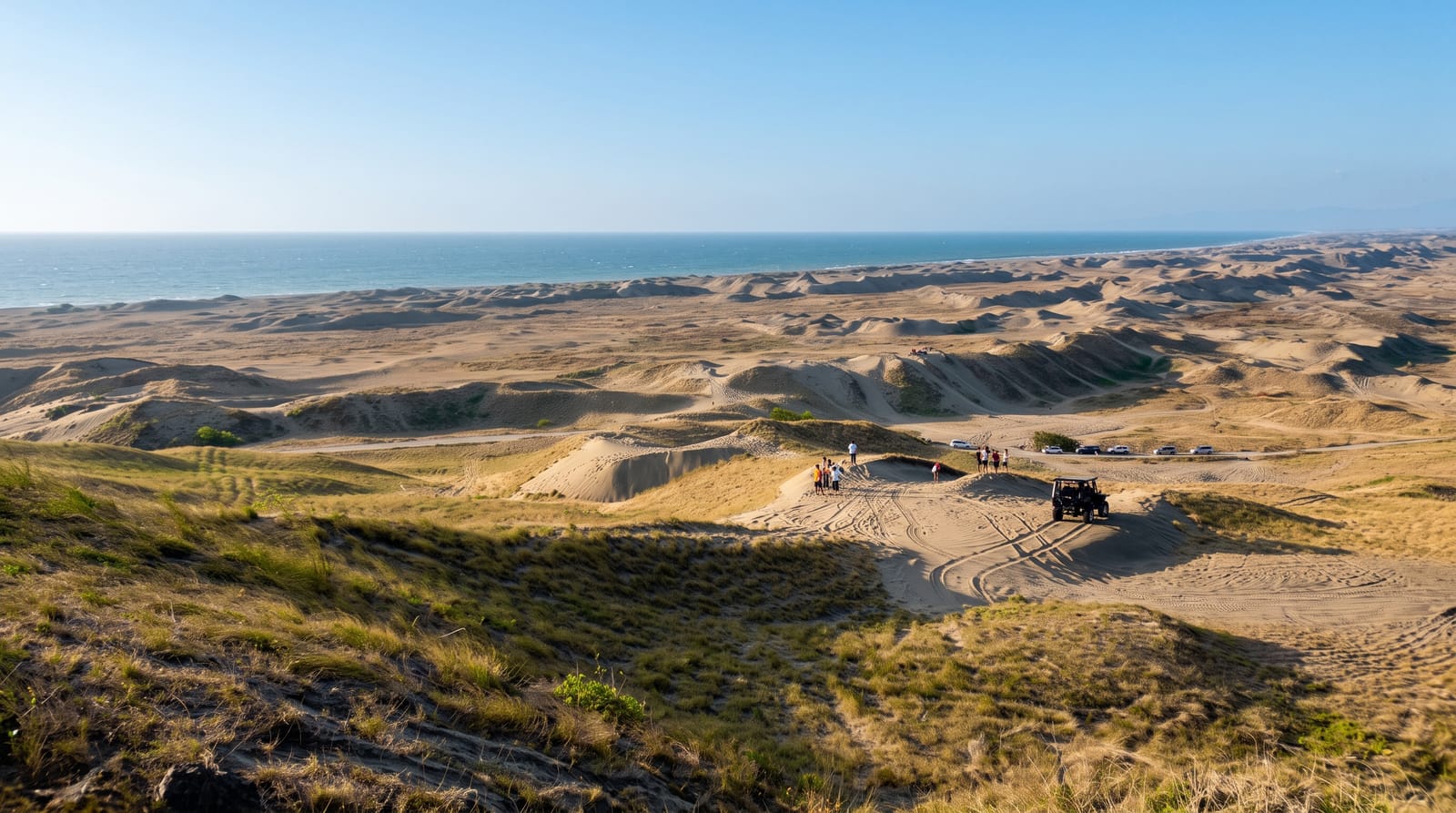
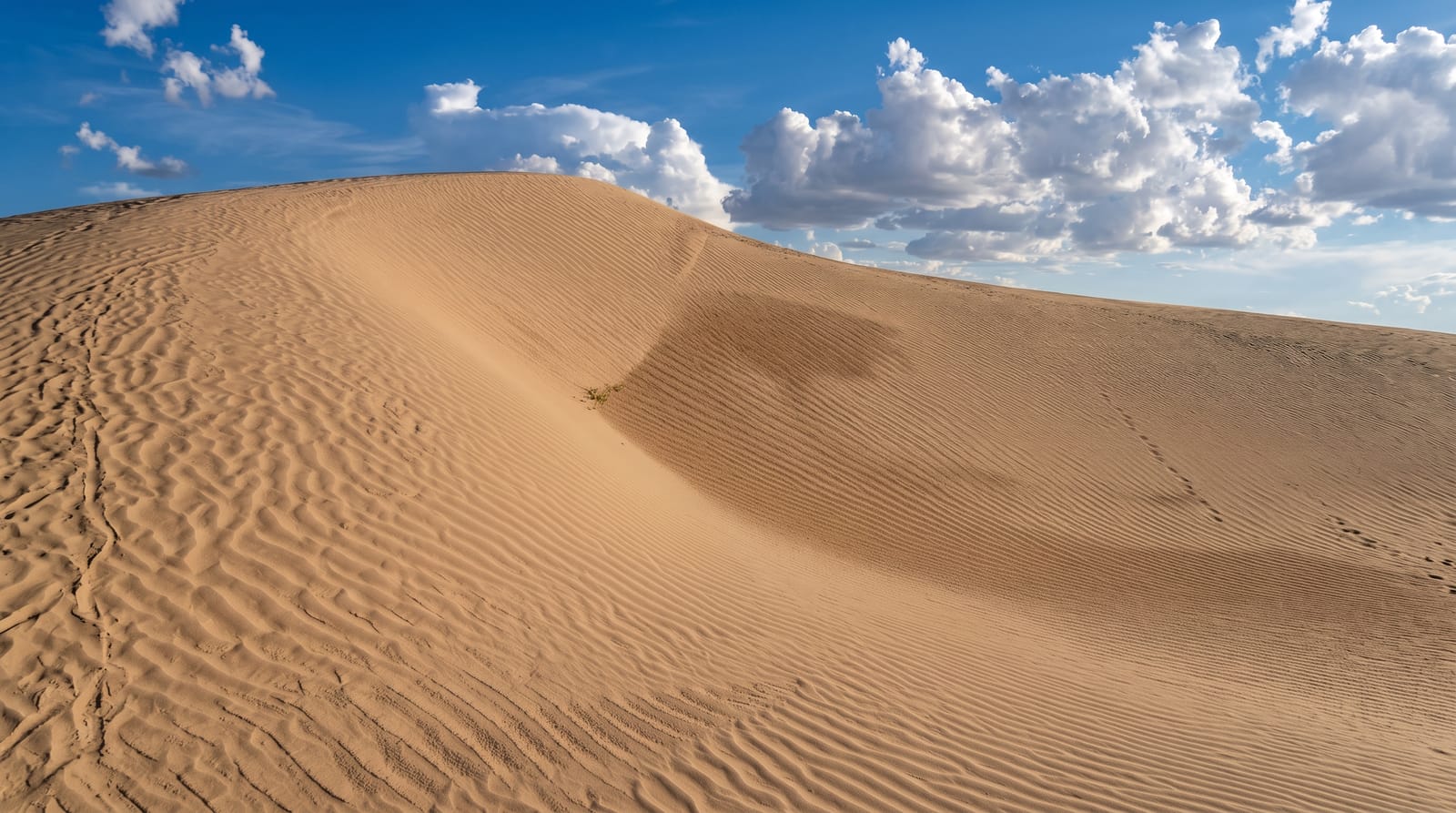
These are perched dunes: sand blown up onto the top of a glacial moraine, so the great height above the lake is mostly hill with a thin sand cap rather than a sand mountain. That distinction matters at the Dune Climb and the Lake Michigan Overlook, where the slope down to the water looks easy and is far harder to climb back up. The national lakeshore was established on October 21, 1970. The name comes from an Anishinaabe story of a mother bear waiting for her cubs, who became the Manitou Islands offshore. The Dune Climb itself is a steep sand slope open to walk up.
The landscape
- Perched dunes - sand on top of a glacial moraine.
- A long drop to the lake - quick to run down, hard to climb back.
- The Dune Climb - a steep sand slope open to walk.
- The Manitou Islands - the cubs in the Anishinaabe story.
When to go
May to October; autumn colour in early October. A full day.
Before you go
Do not descend the Lake Michigan Overlook slope - rescues are frequent and billed. Sand climbing is far harder than it looks. Summer weekends fill the lots. Lake water stays cold into July.
Nearby
Traverse City is east; the Manitou Islands are offshore by ferry.
Key facts
Source: Wikidata, item Q1585822, read on 18 October 2026.
What to pack for Sleeping Bear Dunes National Lakeshore
Chosen from what this place is for. Tap a kit for the full checklist.
- Broken-in walking shoes or boots - Grip and ankle support matter more than looks; never hike in brand-new boots. Find on Amazon
- Loose, light, long clothing - Covering up beats bare skin in the desert - and locals dress this way for a reason. Find on Amazon
- Layers + a waterproof shell - Mountain weather turns fast; a packable rain jacket saves the day. Find on Amazon
- A wide-brim hat + sunglasses - Shade for your face and eyes where there is none overhead. Find on Amazon
Some links on this page are Amazon affiliate links - if you buy through them we may earn a small commission at no extra cost to you.
All packing kitsPlan your trip
Where to start if Sleeping Bear Dunes National Lakeshore is going on the list.
Booking links on this page are affiliate links - if you book through them we may earn a small commission at no extra cost to you. It never changes what we write about a place.
Opening times, ticket prices and seasonal closures change - check the official source before you go: official site.