Oregon Dunes National Recreation Area
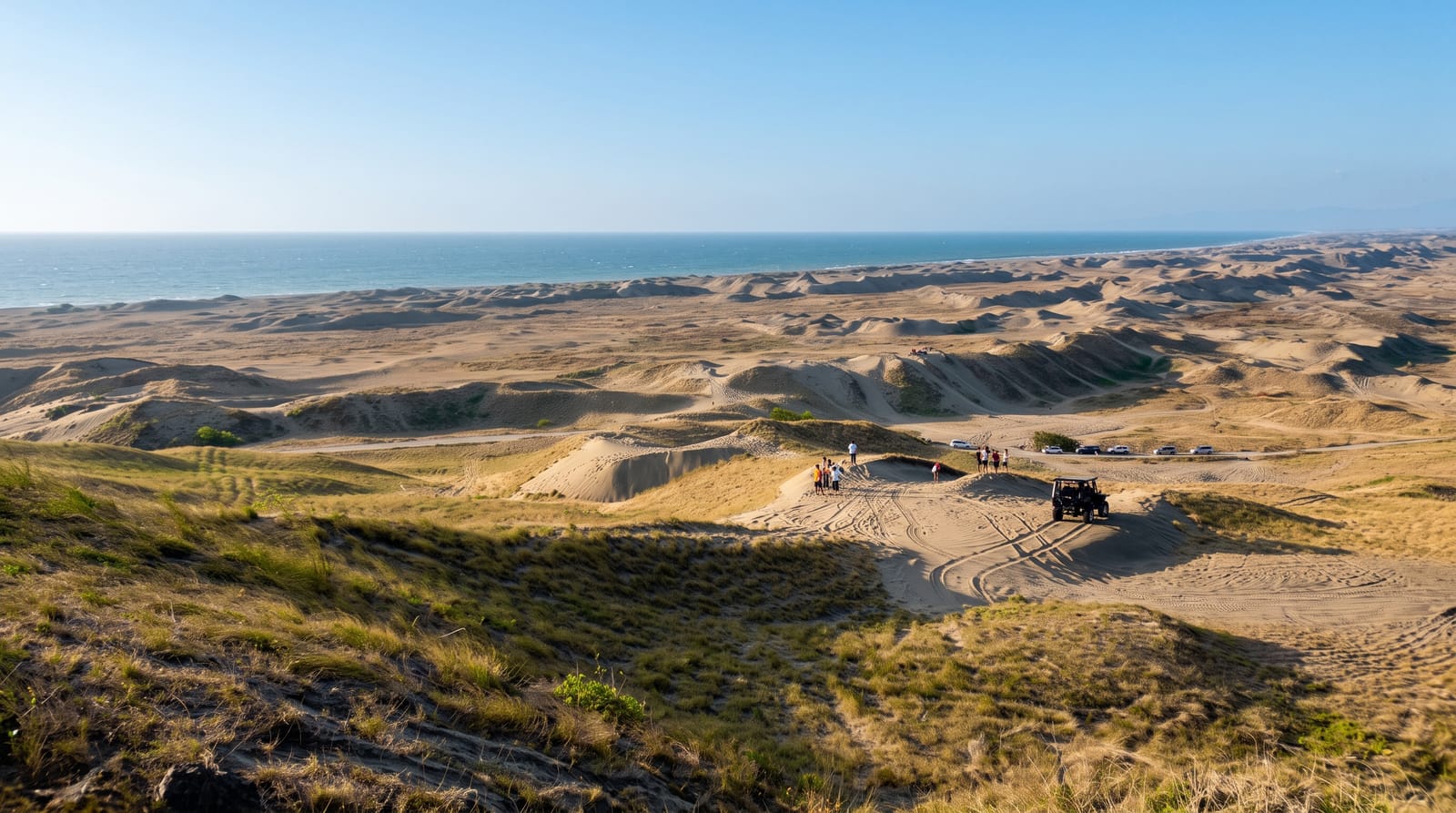
Sixty-five kilometres of coastal dunes up to 150 metres high, now disappearing under grass that was planted deliberately.
Updated 20 October 2026
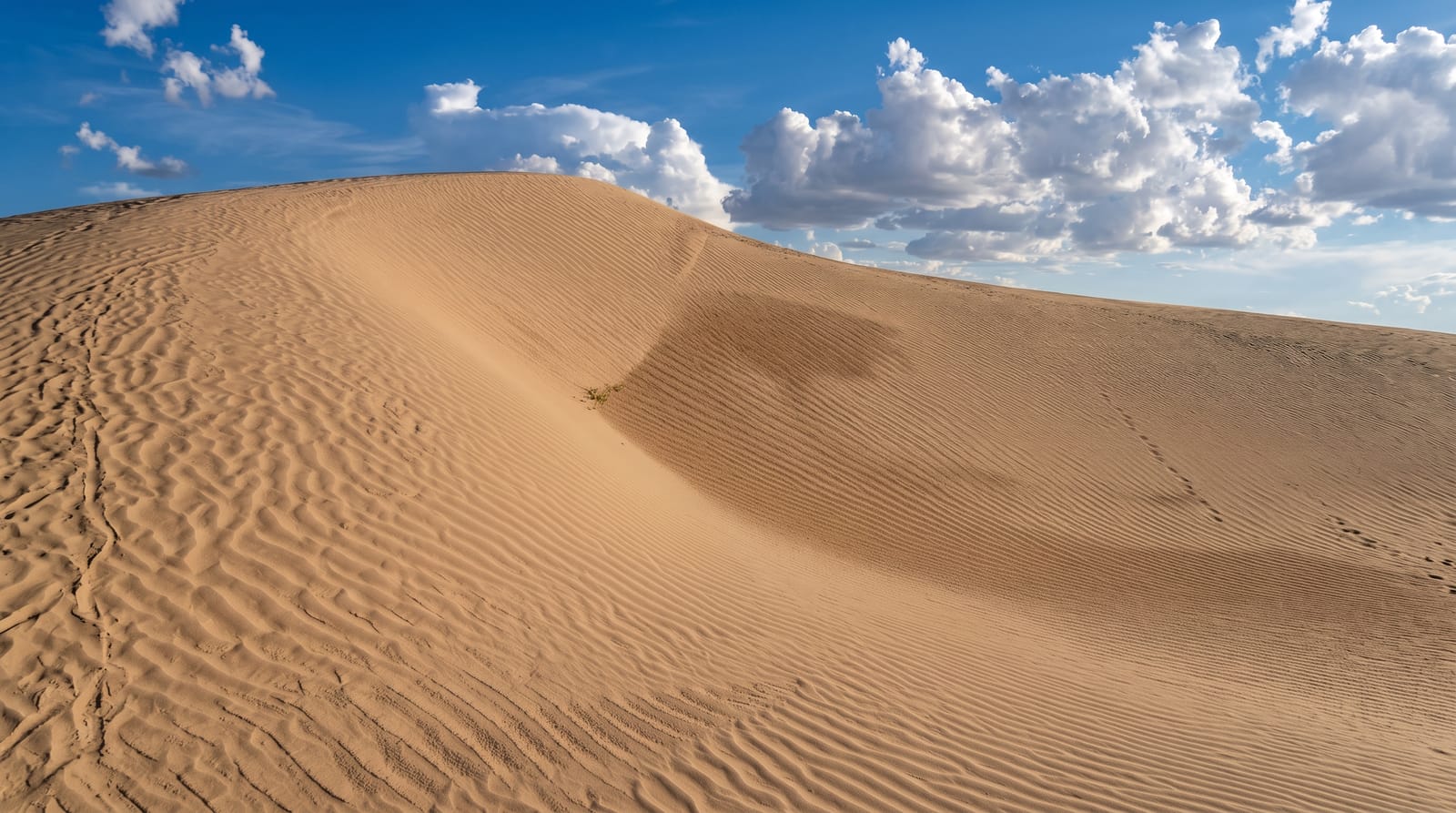
The dunes run about sixty-five kilometres along the coast and reach some 150 metres, the largest expanse of coastal dunes in North America, built from sand carried down the rivers and blown inland over thousands of years. They are vanishing: European beachgrass, Scotch broom and shore pine were planted from 1910 to 1979 to stabilise the sand, and they worked far better than intended - the grass holds the sand, trees follow, and the native plants have been drastically reduced. Restoration removes invasive grass in places, and since 2014 a restoration collaborative has worked against its spread. Since 1994 off-highway vehicles have been limited to about 31 percent of the area. Frank Herbert visited and the dunes fed into Dune.
The landscape
- Sixty-five kilometres of dunes - the largest coastal expanse in North America.
- Dunes up to 150 metres - built from river sand blown inland.
- Beachgrass swallowing them - planted deliberately, now a threat.
- Separate OHV and quiet zones - vehicles on about 31 percent of it.
When to go
April to October. A full day.
Things to know
Off-highway vehicle areas are loud and busy; check which zone you are entering. Open sand is being lost to vegetation year by year. Walking in soft dune is exhausting. The coast is often wet and windy.
Nearby
Florence is north; Coos Bay is south.
Key facts
Source: Wikidata, item Q1701071, read on 18 October 2026.
What to pack for Oregon Dunes National Recreation Area
Chosen from what this place is for. Tap a kit for the full checklist.
- Broken-in walking shoes or boots - Grip and ankle support matter more than looks; never hike in brand-new boots. Find on Amazon
- Loose, light, long clothing - Covering up beats bare skin in the desert - and locals dress this way for a reason. Find on Amazon
- Layers + a waterproof shell - Mountain weather turns fast; a packable rain jacket saves the day. Find on Amazon
- A wide-brim hat + sunglasses - Shade for your face and eyes where there is none overhead. Find on Amazon
Some links on this page are Amazon affiliate links - if you buy through them we may earn a small commission at no extra cost to you.
All packing kitsPlan your trip
Where to start if Oregon Dunes National Recreation Area is going on the list.
Booking links on this page are affiliate links - if you book through them we may earn a small commission at no extra cost to you. It never changes what we write about a place.
Opening times, ticket prices and seasonal closures change - check the official source before you go: official site.