Amana Colonies
Seven Iowa villages run as a communal religious society from 1855 until the members voted to end it in 1932.
Updated 20 October 2026
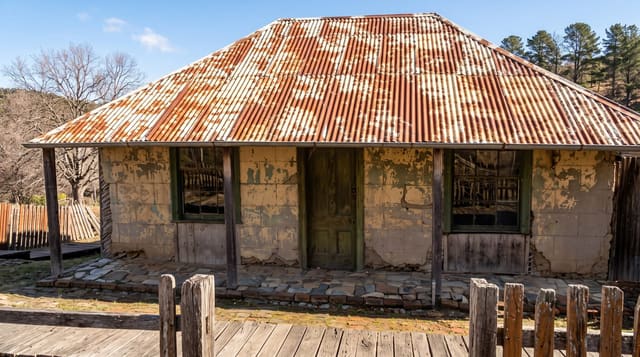
The Community of True Inspiration, a German Pietist group, moved from New York to Iowa in 1855 and built seven villages run entirely in common: no private property, fifty-five communal kitchens where groups of thirty to forty-five ate together, work assigned by the elders, and no wages. It ran that way for seventy-seven years. In 1932, under the Depression and internal strain, the members voted to separate the church from the economy - the Great Change - and the businesses became a joint-stock company that members held shares in. That company still exists, and Amana appliances grew out of it before being sold on. The villages keep brick and sandstone buildings, communal kitchen houses, a woollen mill and a furniture shop still working.
What to look for
- Seven villages built in common - no private property until 1932.
- Communal kitchen houses - where thirty to forty-five people ate together.
- The Great Change - the 1932 vote that ended the system.
- A working woollen mill and furniture shop - continuing trades.
When to go
May to October; Oktoberfest is in autumn. A full day.
Before you go
The villages are spread out and need a car. Much is now shops and restaurants for visitors. Winter reduces opening substantially. The communal period ended nearly a century ago - this is its remains, not a living system.
Nearby
Iowa City is east; Cedar Rapids is north-east.
Key facts
Source: Wikidata, item Q453554, read on 18 October 2026.
What to pack for Amana Colonies
Chosen from what this place is for. Tap a kit for the full checklist.
- Comfortable walking shoes - Sightseeing means kilometres of pavement and cobbles daily. Find on Amazon
- A slim anti-theft daypack - Zips that close properly; keep it in front in crowds and on transit. Find on Amazon
- A refillable water bottle - Many cities have public fountains; save money and plastic. Find on Amazon
- A light layer + compact umbrella - For museum air-con and a sudden shower. Find on Amazon
Some links on this page are Amazon affiliate links - if you buy through them we may earn a small commission at no extra cost to you.
All packing kitsPlan your trip
Where to start if Amana Colonies is going on the list.
Booking links on this page are affiliate links - if you book through them we may earn a small commission at no extra cost to you. It never changes what we write about a place.
Opening times, ticket prices and seasonal closures change - check the official source before you go: official site.