The Annaberg Sugar Ruins
The windmill above the mangroves - St John's best-kept plantation ruins telling the sugar era's history straight, with Leinster Bay below.
Updated 7 August 2026

AI illustration
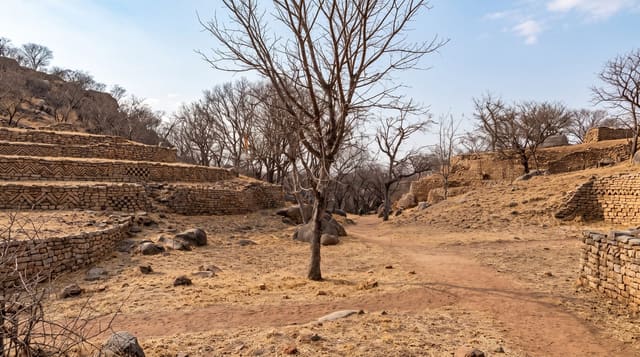
On St John's north shore, the Annaberg plantation's ruins stand in the national park's keeping: the stone windmill tower, boiling-house arches and village foundations of a sugar estate whose story - built and worked by enslaved people, the 1733 rebellion's history close at hand - the park's interpretation tells with due directness, cultural demonstrations adding baking and gardening traditions on programme days. The setting frames the weight: Leinster Bay's turquoise below, Tortola across the water, and the mangrove shore walking distance from sweetlime and genip shade.
What you'll find
- The windmill tower - the estate's stone landmark.
- The boiling-house arches - the works' surviving architecture.
- The interpretation - the enslaved community's history told straight.
- Leinster Bay - the turquoise below the ruins.
When to go
December to May with the season; morning visits pair with Leinster Bay's snorkel afternoon. Programme days add the living-history demonstrations.
What to expect
The history centres on slavery and should be met as such - the site rewards reading and reflection over drive-by photography; paths are uneven old stone.
Nearby
Leinster Bay's trail, Maho Bay and the north-shore beaches.
What to pack for The Annaberg Sugar Ruins
Chosen from what this place is for. Tap a kit for the full checklist.
- Broken-in walking shoes or boots - Grip and ankle support matter more than looks; never hike in brand-new boots. Find on Amazon
- Reef-safe sunscreen - High SPF that will not bleach the coral you are swimming over. Find on Amazon
- Your own mask + snorkel - A well-fitting mask is the single biggest comfort upgrade underwater. Find on Amazon
- Comfortable walking shoes - Sightseeing means kilometres of pavement and cobbles daily. Find on Amazon
Some links on this page are Amazon affiliate links - if you buy through them we may earn a small commission at no extra cost to you.
All packing kitsPlan your trip
Where to start if The Annaberg Sugar Ruins is going on the list.
Booking links on this page are affiliate links - if you book through them we may earn a small commission at no extra cost to you. It never changes what we write about a place.
Opening times, ticket prices and seasonal closures change - check the official source before you go: official site.