Leeds Castle
A castle built across two islands in a Kent lake, held by six medieval queens and refitted as a country house in the 1920s and 1930s.
Updated 20 October 2026

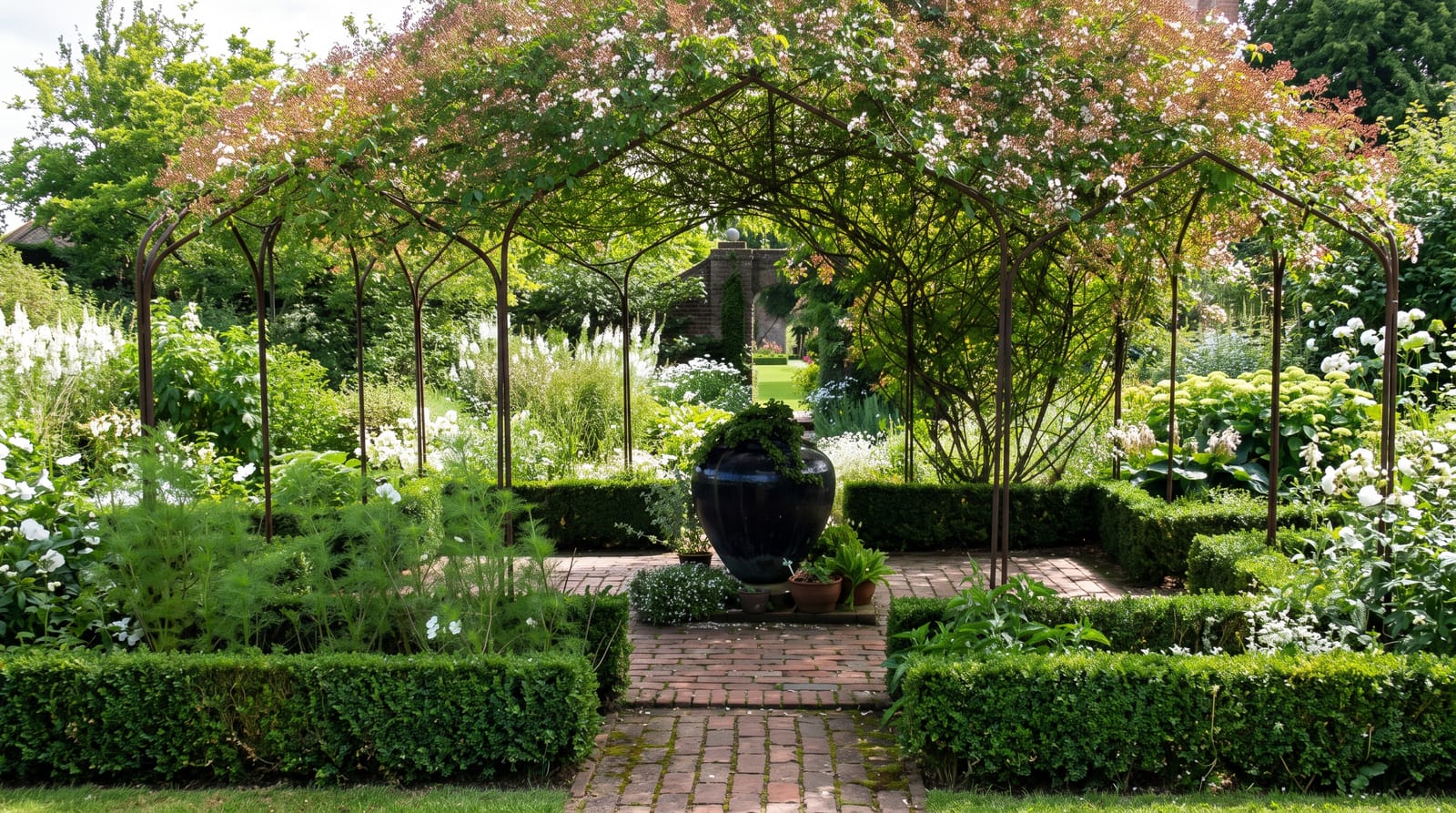
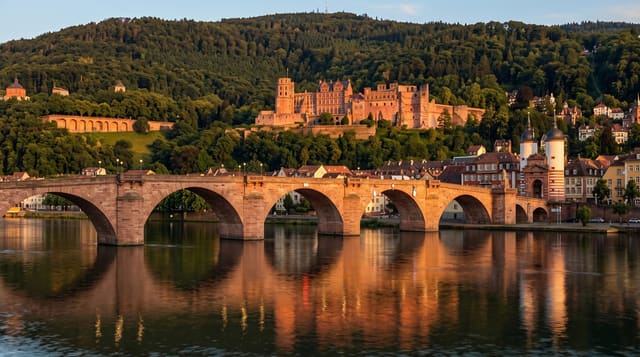
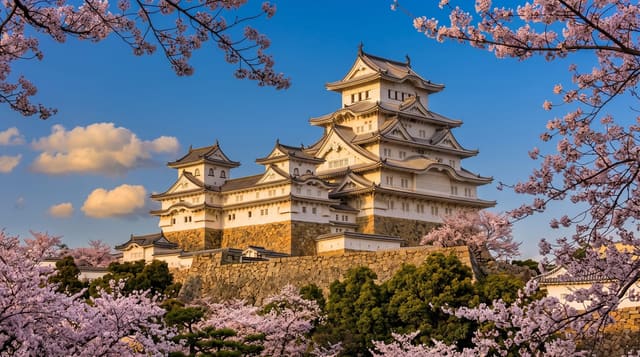
AI illustration
A Norman stone castle replaced a Saxon manor here in 1119, and from 1278 it belonged to Eleanor of Castile and then to a succession of English queens, which is why it is often described as the ladies' castle; Henry VIII rebuilt it for Catherine of Aragon. Its position is the point: the buildings sit on two islands in a lake formed by damming the River Len, so the walls rise straight out of water on every side. The last private owner, Olive Baillie, an Anglo-American heiress, bought it in 1926 and had the interiors redone in a 1920s and 1930s country-house taste that is what visitors actually walk through, rather than medieval rooms. The grounds hold a maze of two thousand yews with a shell grotto beneath it, a falconry and a golf course.
What you'll find
- The island setting - buildings rising directly from a dammed lake.
- The Baillie interiors - 1920s and 1930s rooms rather than medieval ones.
- The yew maze - two thousand trees with an underground shell grotto at the centre.
- The falconry - daily flying displays in the grounds.
When to go
April to September for the grounds, falconry and full programme; the ticket is valid for a year, which the castle promotes heavily. Winter brings a Christmas trail and shorter hours.
Good to know
The interiors are largely a twentieth-century recreation, which disappoints visitors expecting a medieval castle. The site is very commercialised with several paid extras on top of entry. Grounds are extensive and involve a lot of walking.
Nearby
Maidstone lies west; Sissinghurst and the Weald villages are south.
Key facts
Source: Wikidata, item Q746876, read on 18 October 2026.
What to pack for Leeds Castle
Chosen from what this place is for. Tap a kit for the full checklist.
- Broken-in walking shoes or boots - Grip and ankle support matter more than looks; never hike in brand-new boots. Find on Amazon
- Head torch + spare batteries - Hands-free light is essential; caves are truly dark. Find on Amazon
- Comfortable walking shoes - Sightseeing means kilometres of pavement and cobbles daily. Find on Amazon
- Layers + a waterproof shell - Mountain weather turns fast; a packable rain jacket saves the day. Find on Amazon
Some links on this page are Amazon affiliate links - if you buy through them we may earn a small commission at no extra cost to you.
All packing kitsPlan your trip
Where to start if Leeds Castle is going on the list.
Booking links on this page are affiliate links - if you book through them we may earn a small commission at no extra cost to you. It never changes what we write about a place.
Opening times, ticket prices and seasonal closures change - check the official source before you go: official site.