Exeter Cathedral
A Gothic cathedral with the longest uninterrupted medieval vault in the world, and a clock built before the concept of a minute hand.
Updated 20 October 2026

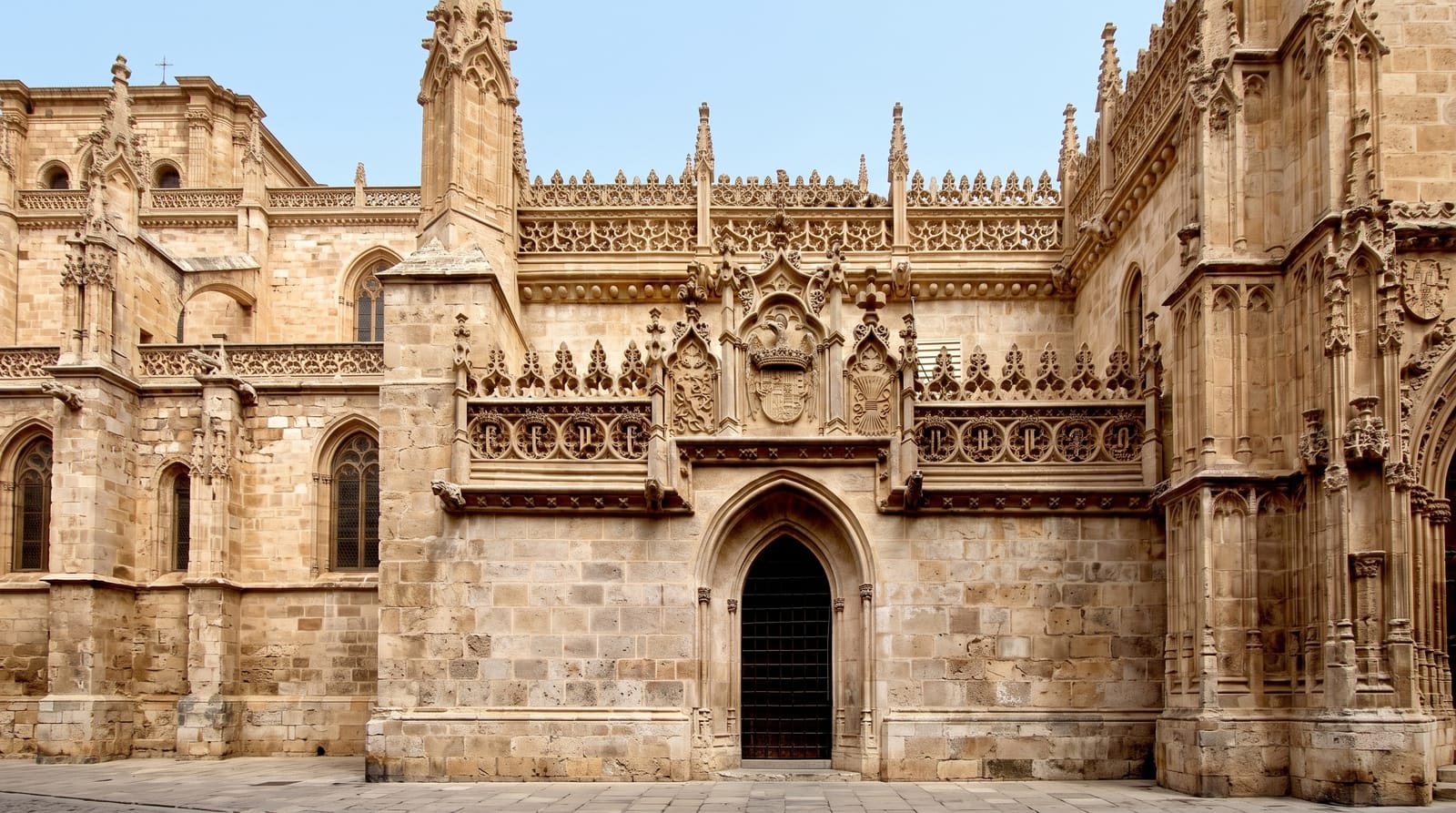
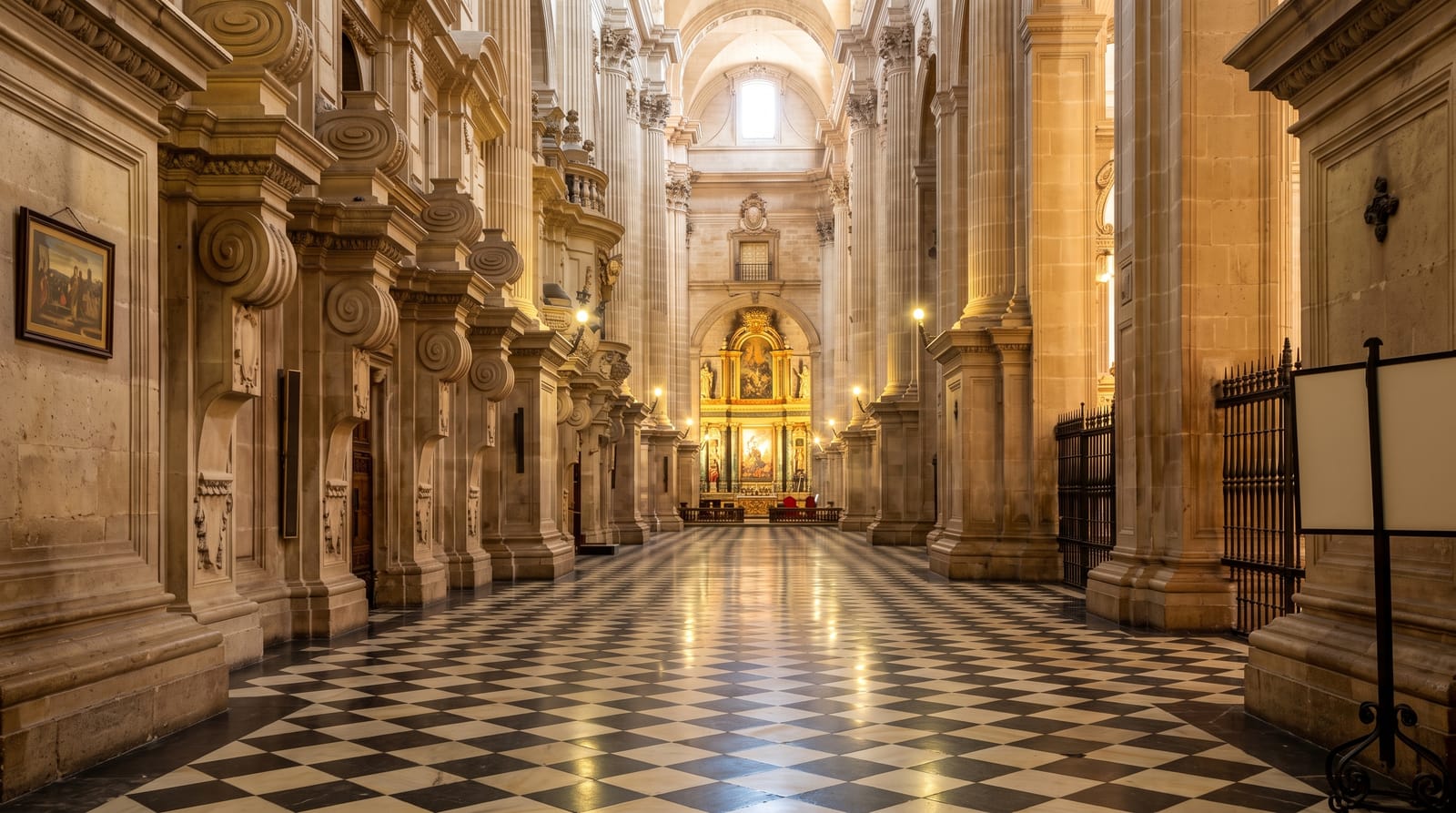
AI illustration
Exeter's cathedral keeps its two Norman transept towers from an earlier building, which is unusual, and the rest was rebuilt between about 1270 and 1400 in Decorated Gothic; the result is a vault of ribbed stone running ninety-six metres without a break at the crossing, the longest uninterrupted medieval vault anywhere, described as looking like an avenue of palm trees. The minstrels' gallery of around 1360 carries twelve carved angels with instruments. The astronomical clock, from about 1484, shows the sun going round the earth with a fleur-de-lys pointer and the moon's phase, and it has no minute hand because the mechanism predates general use of minutes; the door below it has a hole cut for the cat kept to hunt the mice attracted by the animal fat used to grease the works.
The main sights
- The vault - ninety-six metres of unbroken ribbed stone.
- The astronomical clock - a 1484 mechanism with the earth at the centre.
- The cat hole - a hole cut in the clock door for the mouse-hunting cat.
- The minstrels' gallery - twelve carved angels with instruments.
When to go
Year-round; the cathedral charges but the ticket lasts a year. Roof tours run in the warmer months and climb into the vault structure. Evensong is sung most days and is free to attend.
Before you go
There is an entry charge to a working cathedral. Roof tours book out and involve narrow stairs and confined spaces. Bomb damage in 1942 destroyed a chapel and the repairs are visible.
Nearby
The Exeter underground passages and the quay are minutes away; Dartmoor lies west.
Key facts
Source: Wikidata, item Q1131208, read on 18 October 2026.
What to pack for Exeter Cathedral
Chosen from what this place is for. Tap a kit for the full checklist.
- Head torch + spare batteries - Hands-free light is essential; caves are truly dark. Find on Amazon
- Comfortable walking shoes - Sightseeing means kilometres of pavement and cobbles daily. Find on Amazon
- Modest clothing - Shoulders and knees covered - the single most common requirement. Find on Amazon
- Grippy closed shoes - Cave floors are wet, muddy and slick with formations. Find on Amazon
Some links on this page are Amazon affiliate links - if you buy through them we may earn a small commission at no extra cost to you.
All packing kitsPlan your trip
Where to start if Exeter Cathedral is going on the list.
Booking links on this page are affiliate links - if you book through them we may earn a small commission at no extra cost to you. It never changes what we write about a place.
Opening times, ticket prices and seasonal closures change - check the official source before you go: official site.