Edinburgh
The dramatic capital of Scotland - a brooding castle on a crag above a medieval Old Town and elegant Georgian New Town, a UNESCO city of festivals and history.
Updated 18 October 2026
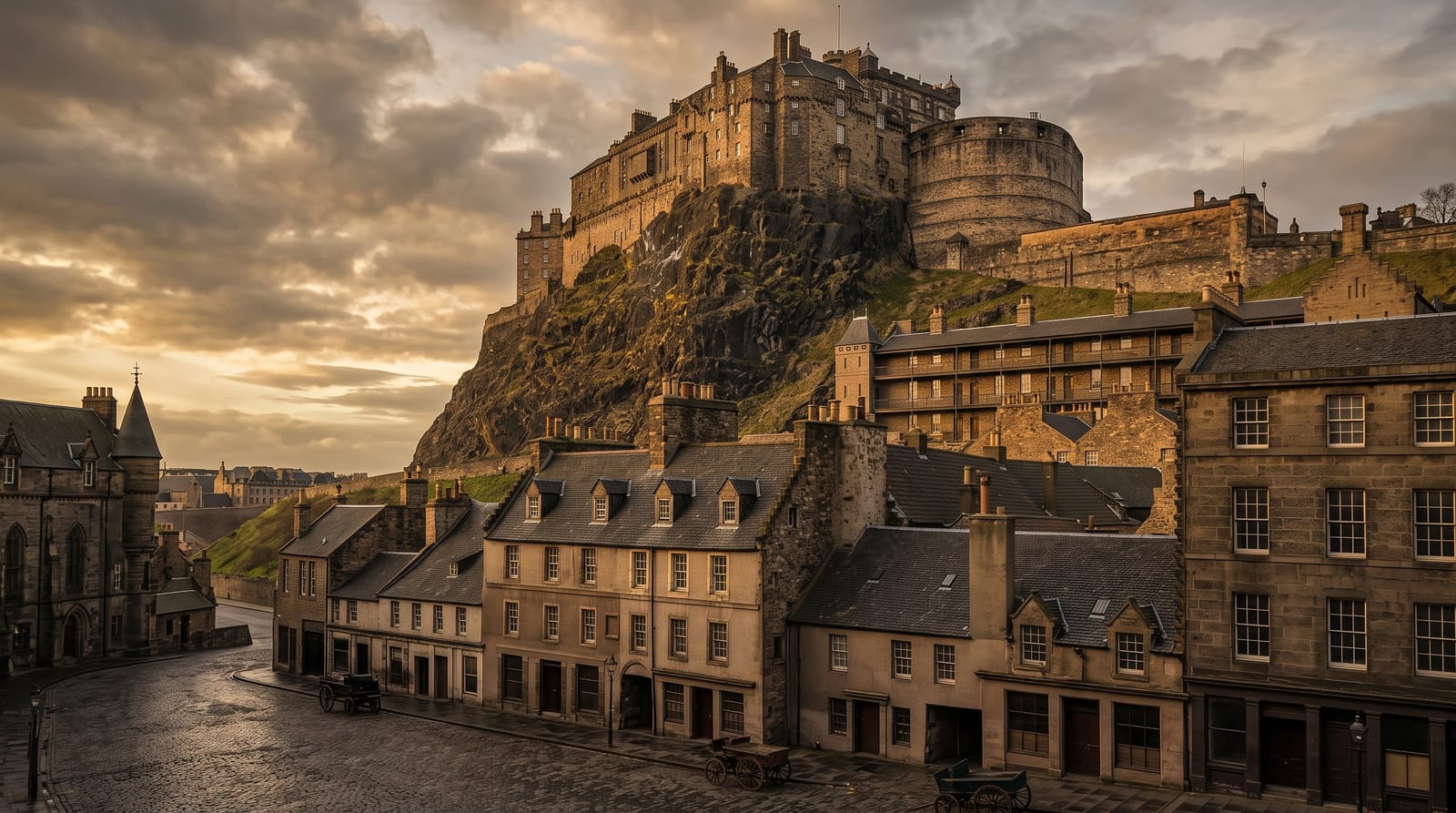
AI illustration
UNESCO World Heritage
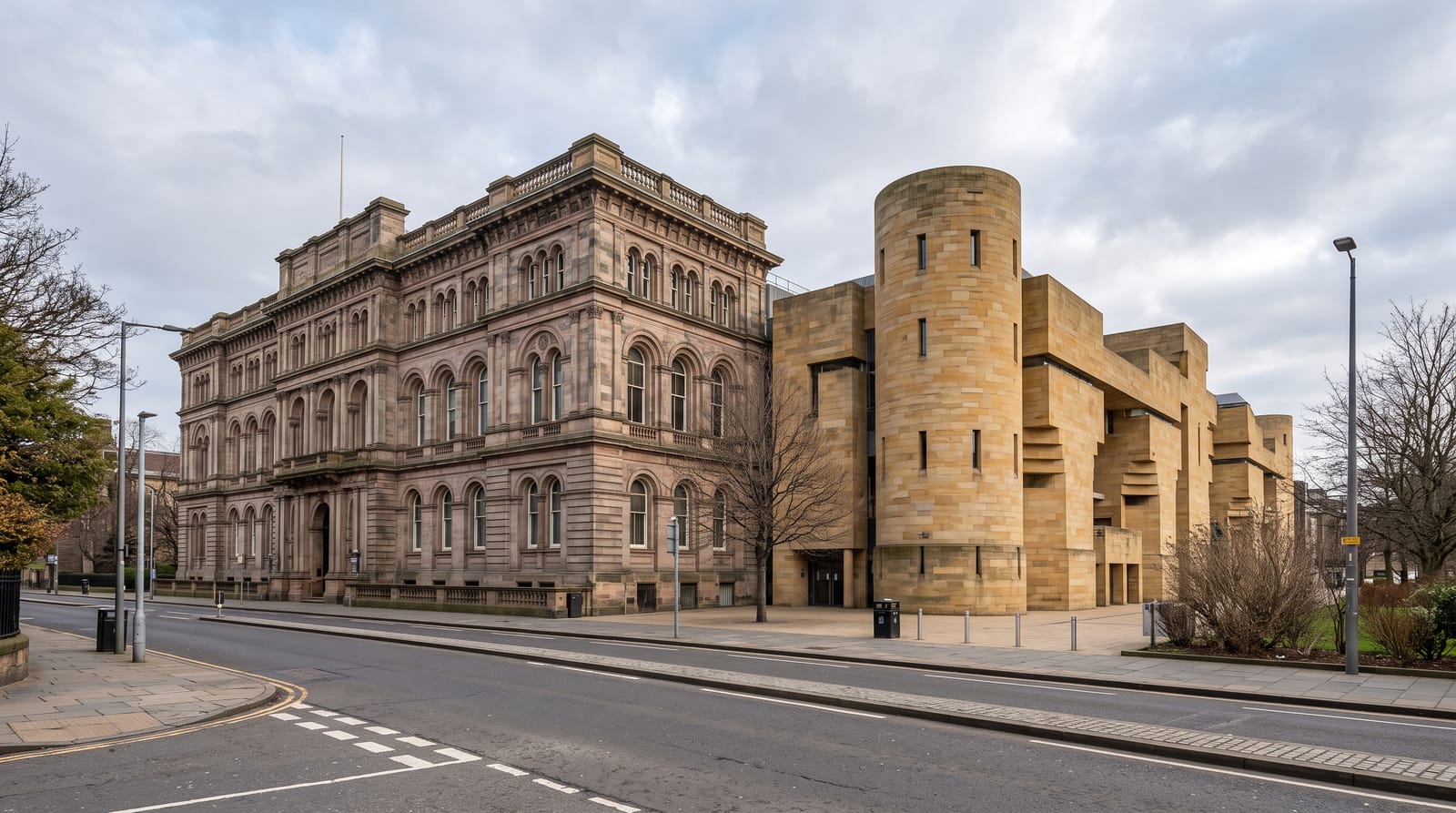
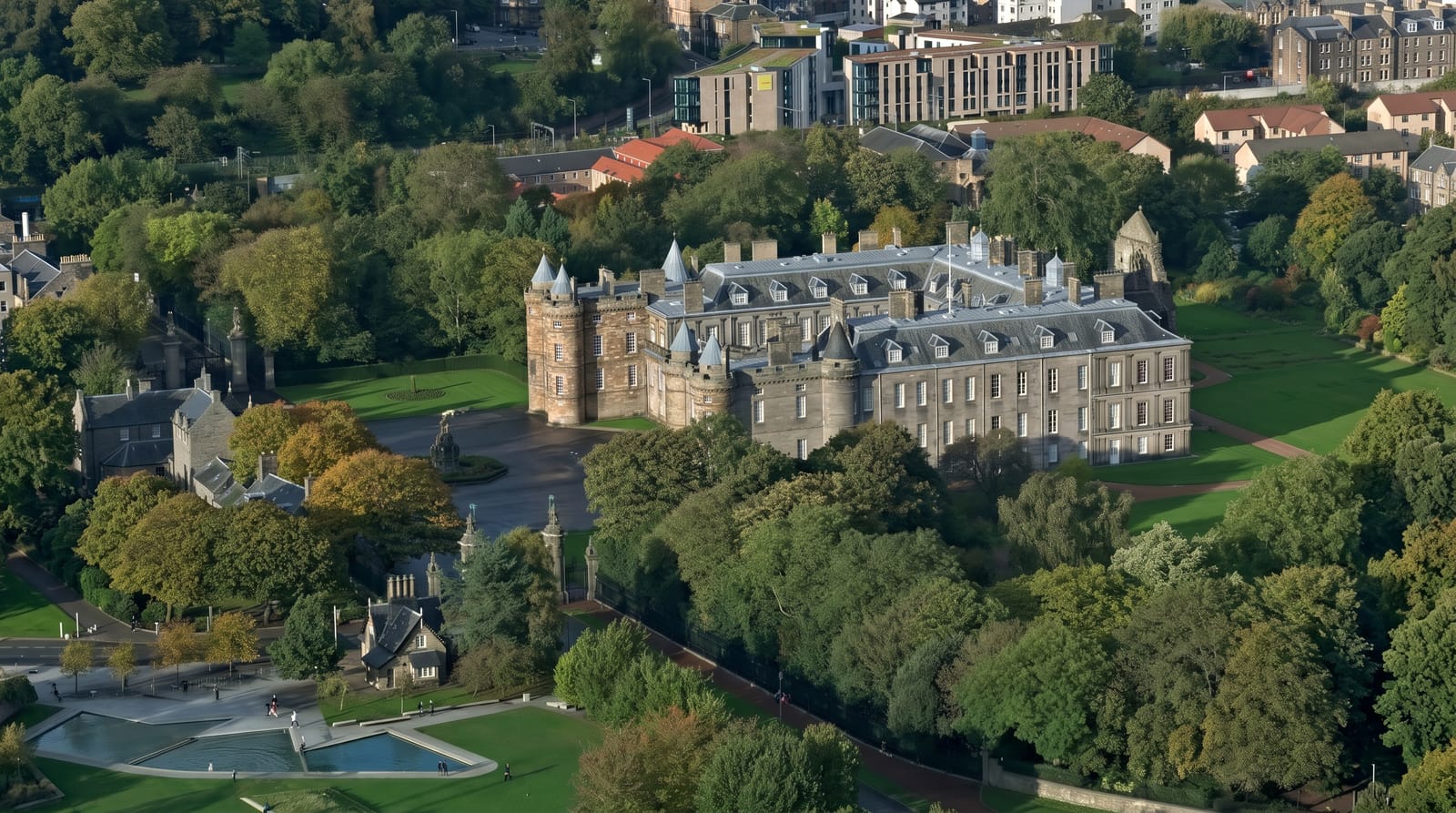
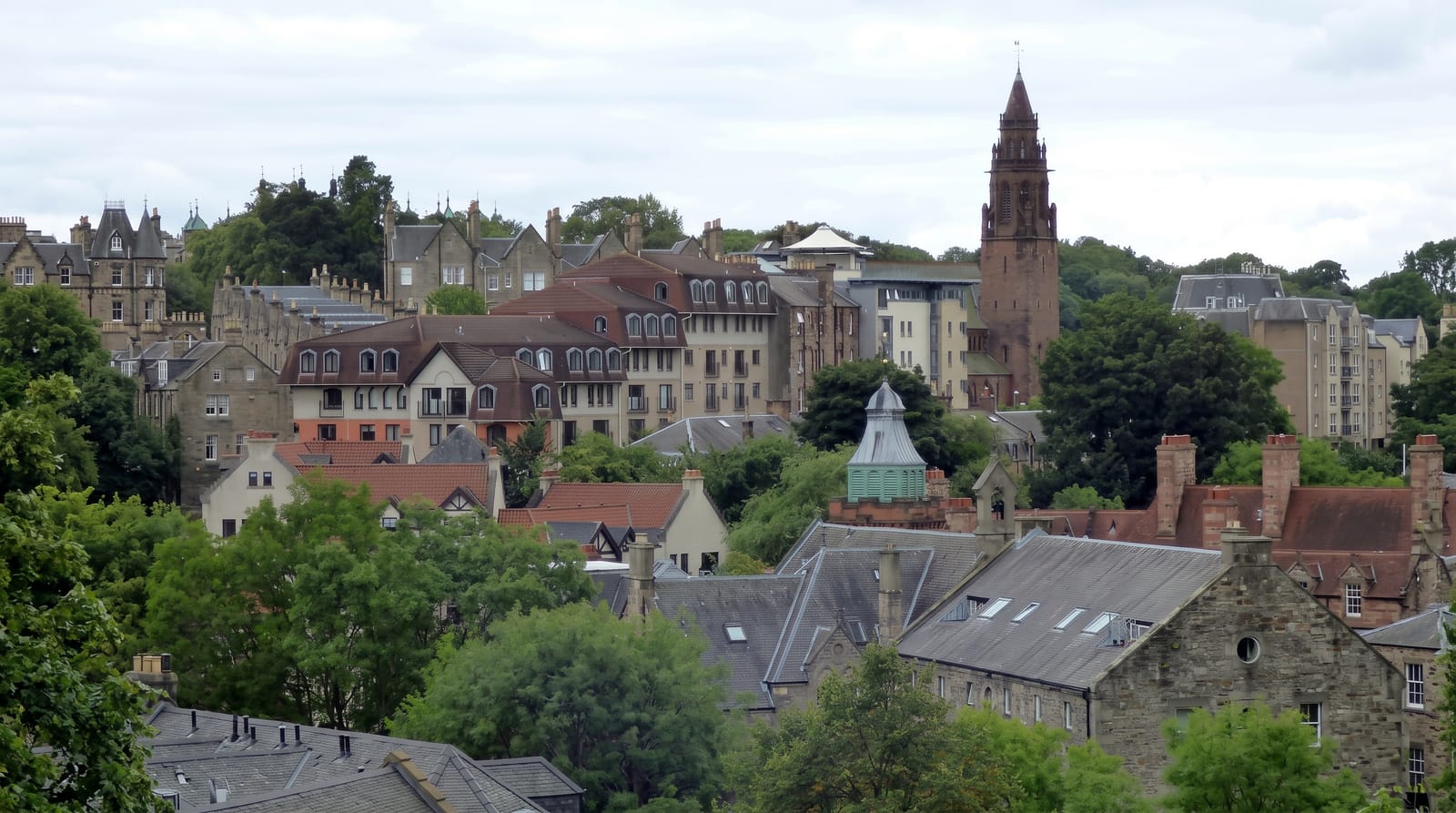
Edinburgh is one of the most dramatic capital cities in Europe, built across crags and valleys with a brooding castle atop an ancient volcanic rock. Its UNESCO heart pairs the medieval Old Town, a warren of steep closes and wynds tumbling down the Royal Mile, with the elegant Georgian New Town of graceful squares. In August it explodes into the world's greatest arts festival, the Fringe.
History
The earliest known human trace in the area is a Mesolithic camp at Cramond of about 8500 BC, and Bronze and Iron Age settlements have been found on Castle Rock and Arthur's Seat. The Romans met the Votadini here, who became the Gododdin kingdom, with the stronghold of Din Eidyn, probably on Castle Rock, as a major centre; in 638 it was besieged by King Oswald of Northumbria, the Angles held Lothian for three centuries, and around 950 the fortress passed to the Scots. As the language changed from Cumbric to Old English and Scots, Din Eidyn became Edinburgh, recognised as Scotland's capital since at least the 15th century, with its university founded in 1582 (Wikipedia, Edinburgh).
The main sights
- Edinburgh Castle - the fortress crowning the volcanic rock above the city.
- The Royal Mile - the medieval spine of the Old Town, castle to palace.
- Arthur's Seat - the extinct volcano with sweeping views over the city.
- The Georgian New Town - the elegant squares and streets below.
When to go
Late spring to early autumn for the mildest weather; August for the Fringe and festivals, when the city is electric but packed and dear. Scotland is changeable, so pack for rain and wind any time, and Hogmanay brings a famous new year.
Before you go
In August the festivals fill every bed and the streets throng, so book far ahead and expect crowds and high prices; other months are calmer. The weather is famously changeable and often wet and windy. The Old Town is steep and stepped, tiring on the legs.
Nearby
The Scottish Highlands and Loch Lomond are within reach; Glasgow is an hour west.
Key facts
Source: Wikidata, item Q23436, read on 18 October 2026.
What to pack for Edinburgh
Chosen from what this place is for. Tap a kit for the full checklist.
- Comfortable walking shoes - Sightseeing means kilometres of pavement and cobbles daily. Find on Amazon
- A slim anti-theft daypack - Zips that close properly; keep it in front in crowds and on transit. Find on Amazon
- A refillable water bottle - Many cities have public fountains; save money and plastic. Find on Amazon
- A light layer + compact umbrella - For museum air-con and a sudden shower. Find on Amazon
Some links on this page are Amazon affiliate links - if you buy through them we may earn a small commission at no extra cost to you.
All packing kitsPlan your trip
Where to start if Edinburgh is going on the list.
Booking links on this page are affiliate links - if you book through them we may earn a small commission at no extra cost to you. It never changes what we write about a place.
Opening times, ticket prices and seasonal closures change - check the official source before you go: official site.