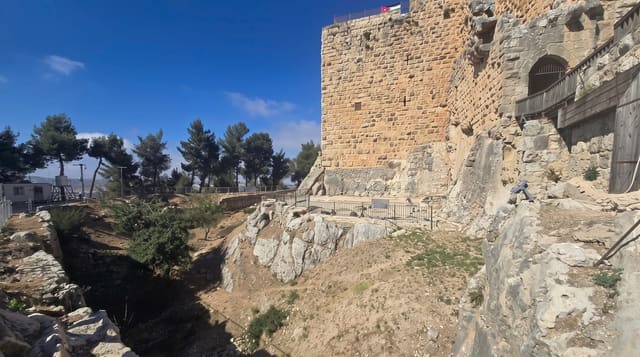
Conwy Castle
Edward I's ring of eight towers - a gritstone stronghold above a Welsh estuary, joined to one of Europe's most complete circuits of medieval town walls.
Updated 18 October 2026
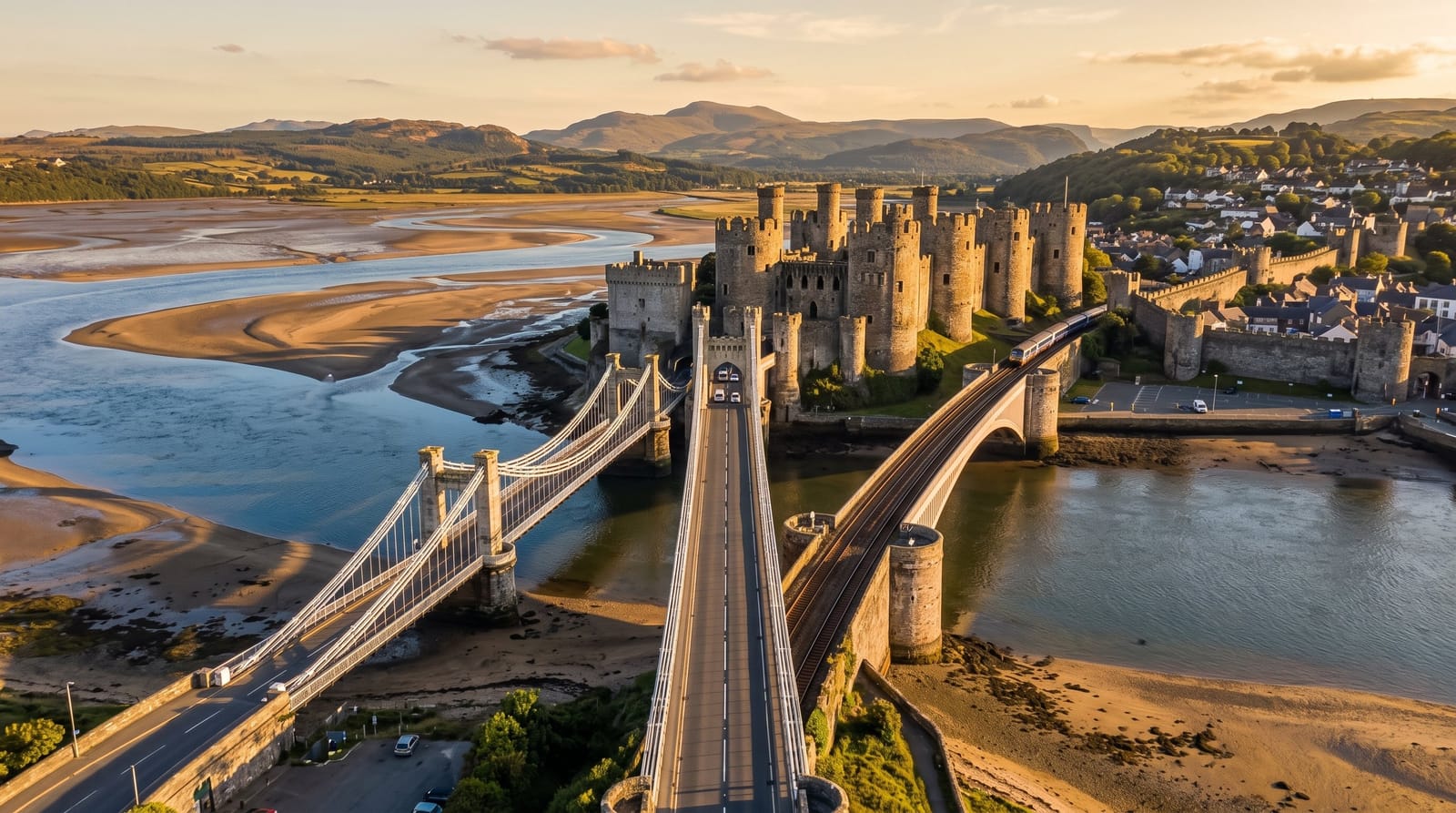
AI illustration
UNESCO World Heritage
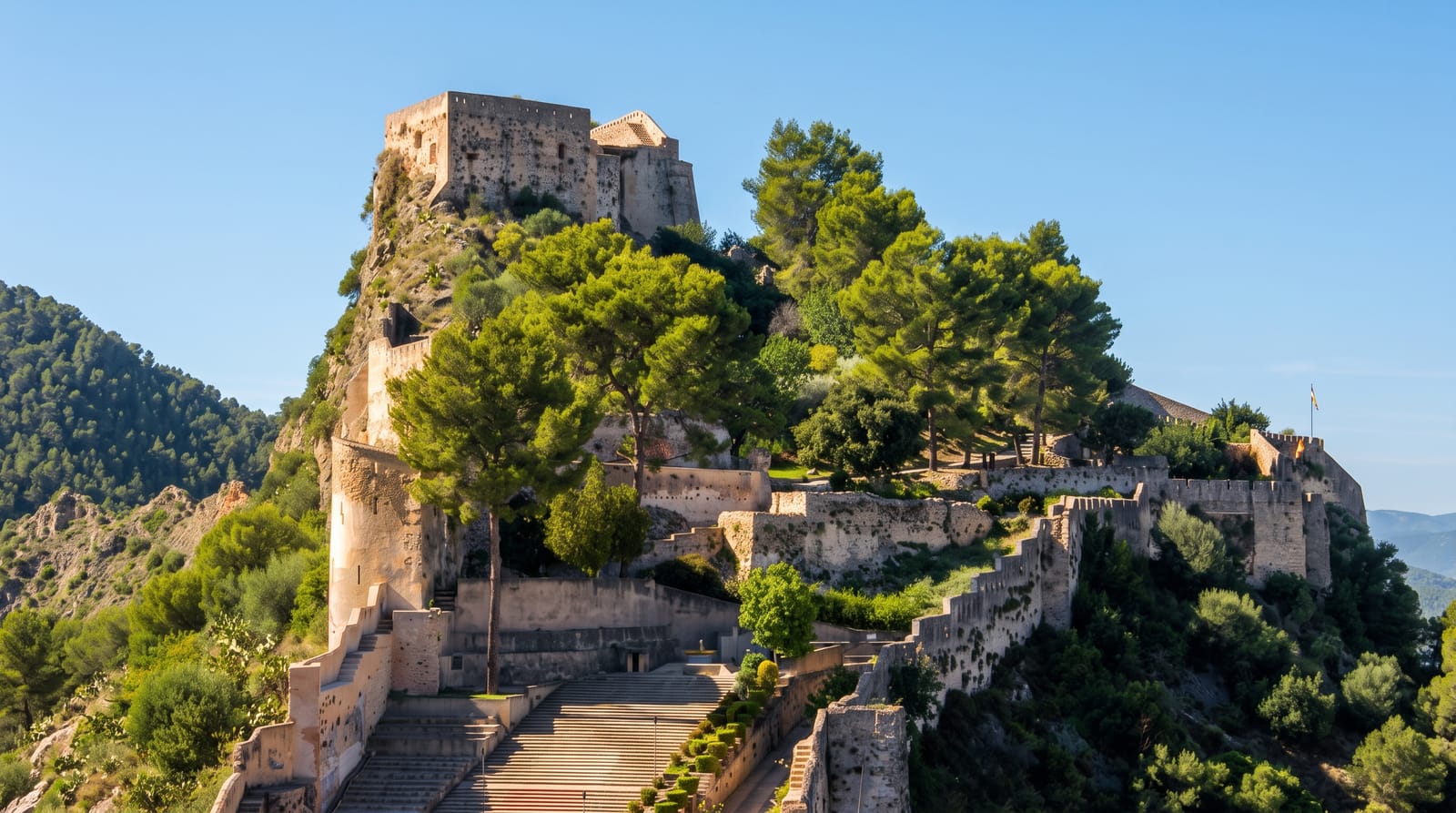
Conwy Castle went up with astonishing speed between 1283 and 1287, Master James of St George building for Edward I a fortress that still reads as pure medieval muscle: eight massive drum towers and two barbicans gripping a rock above the estuary, with the roofless great hall and royal apartments surviving legibly within. UNESCO inscribed it in 1986 among the Castles and Town Walls of King Edward in Gwynedd, and Conwy's special card is the ensemble - the town walls run unbroken for around three-quarters of a mile with 21 towers and three gateways, one of the most complete medieval circuits in Europe, and you can walk their wall-walk over the rooftops for free. Climb the castle's spiral stairs to the battlements and the whole composition assembles: walled town, harbour, Telford's elegant 1826 suspension bridge slung beside the castle, and the Snowdonia skyline behind.
History
Before the English came, the site held Aberconwy Abbey, a Cistercian house favoured by the Welsh princes, and one of their palaces, part of which survives in the town walls; Edward I took Aberconwy in March 1283 and built the castle and walled town between 1283 and 1287, at a combined cost of about £15,000. The castle held out against Madog ap Llywelyn in the winter of 1294-1295, sheltered Richard II in 1399 and was held for months by followers of Owain Glyndŵr in 1401. In the Civil War it stood for Charles I until it surrendered to Parliament in 1646, it was then partly slighted, and in 1665 its last iron and lead were stripped and sold (Wikipedia, Conwy Castle).
Highlights
- The eight towers - drum after drum along the battlement walk.
- The town walls - a near-complete medieval circuit walked free above the rooftops.
- The great hall shell - royal apartments still legible within the ward.
- Telford's bridge - the 1826 suspension crossing slung beside the stone.
When to go
April to October for full hours and estuary light; summer weekends queue at the gate by midday. Clear winter days give the battlements their sharpest Snowdonia backdrop.
Practical notes
The spiral stairs are steep, narrow and polished by centuries - decent footwear matters and vertigo sufferers should weigh the wall-walks. Rooms are roofless shells; the experience is stonework and views rather than furnished interiors. Parking in tiny walled Conwy is a competitive sport - the train wins.
Nearby
Llandudno's Victorian seafront, Bodnant Garden up the valley and Caernarfon along the coast.
Key facts
Source: Wikidata, item Q756830, read on 18 October 2026.
What to pack for Conwy Castle
Chosen from what this place is for. Tap a kit for the full checklist.
- Comfortable walking shoes - Sightseeing means kilometres of pavement and cobbles daily. Find on Amazon
- A slim anti-theft daypack - Zips that close properly; keep it in front in crowds and on transit. Find on Amazon
- A refillable water bottle - Many cities have public fountains; save money and plastic. Find on Amazon
- A light layer + compact umbrella - For museum air-con and a sudden shower. Find on Amazon
Some links on this page are Amazon affiliate links - if you buy through them we may earn a small commission at no extra cost to you.
All packing kitsPlan your trip
Where to start if Conwy Castle is going on the list.
Booking links on this page are affiliate links - if you book through them we may earn a small commission at no extra cost to you. It never changes what we write about a place.
Opening times, ticket prices and seasonal closures change - check the official source before you go: official site.