Blakeney Point
A six-kilometre shingle spit off the Norfolk coast holding England's largest grey seal colony, reached by boat from Morston.
Updated 12 October 2026
AI illustration
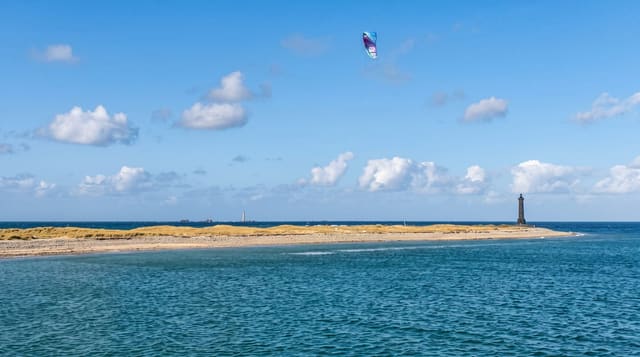
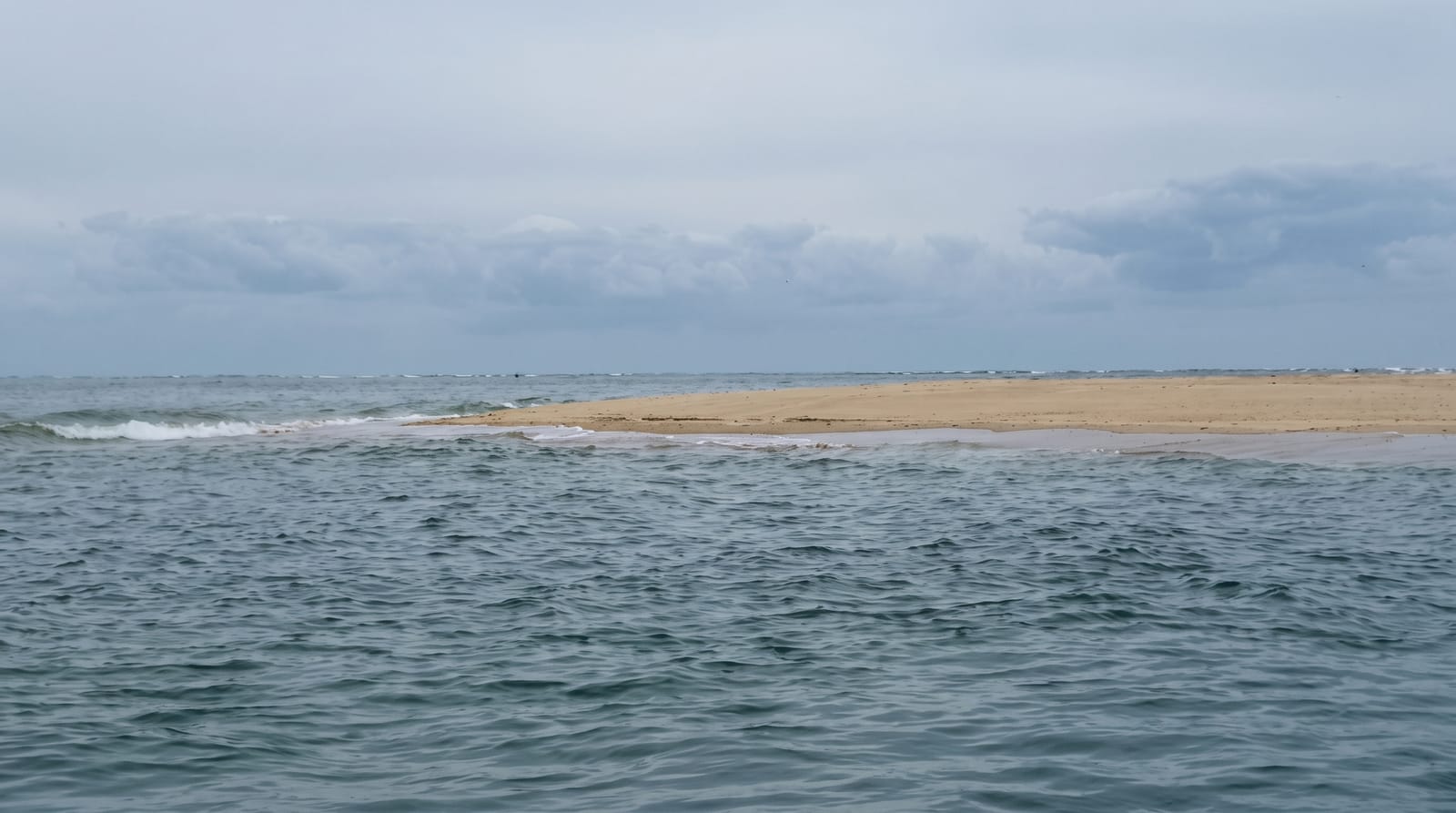
The Point is a spit of shingle built by longshore drift, running west along the coast and growing at its tip, and it was one of the first pieces of land the National Trust ever acquired, in 1912. Around four thousand grey seal pups are born on the far end each winter, making it the largest colony in England, and a separate common seal population pups in summer; boats from Morston and Blakeney run to within a short distance of the haul-outs and turn without landing during pupping. Ternery Plain holds breeding colonies of four tern species along with oystercatchers and ringed plovers, so the dunes are closed to the public in the breeding season. The old lifeboat house near the tip is now a Trust visitor building.
The landscape
- The grey seal colony - around four thousand pups born each winter.
- The common seals - a separate summer-pupping population on the same sands.
- The tern colonies - four species breeding on Ternery Plain.
- The spit itself - six kilometres of shingle still growing at the tip.
When to go
November to January for grey seal pups, June and July for common seal pups and terns. Boats run on the tide, so departure times shift daily and trips cancel in rough weather.
Good to know
Boats do not land during pupping and viewing is from the water at a set distance. The walk out along the shingle from Cley is four hours of hard going on loose stones and is not the easy option it looks. Trips are weather-dependent and sell out in season.
Nearby
Cley Marshes reserve is east; Wells and Holkham lie west along the coast.
Key facts
Source: Wikidata, item Q4924624, read on 18 October 2026.
What to pack for Blakeney Point
Chosen from what this place is for. Tap a kit for the full checklist.
- Broken-in walking shoes or boots - Grip and ankle support matter more than looks; never hike in brand-new boots. Find on Amazon
- Loose, light, long clothing - Covering up beats bare skin in the desert - and locals dress this way for a reason. Find on Amazon
- Layers + a waterproof shell - Mountain weather turns fast; a packable rain jacket saves the day. Find on Amazon
- A wide-brim hat + sunglasses - Shade for your face and eyes where there is none overhead. Find on Amazon
Some links on this page are Amazon affiliate links - if you buy through them we may earn a small commission at no extra cost to you.
All packing kitsPlan your trip
Where to start if Blakeney Point is going on the list.
Booking links on this page are affiliate links - if you book through them we may earn a small commission at no extra cost to you. It never changes what we write about a place.
Opening times, ticket prices and seasonal closures change - check the official source before you go: official site.