Sillon de Talbert
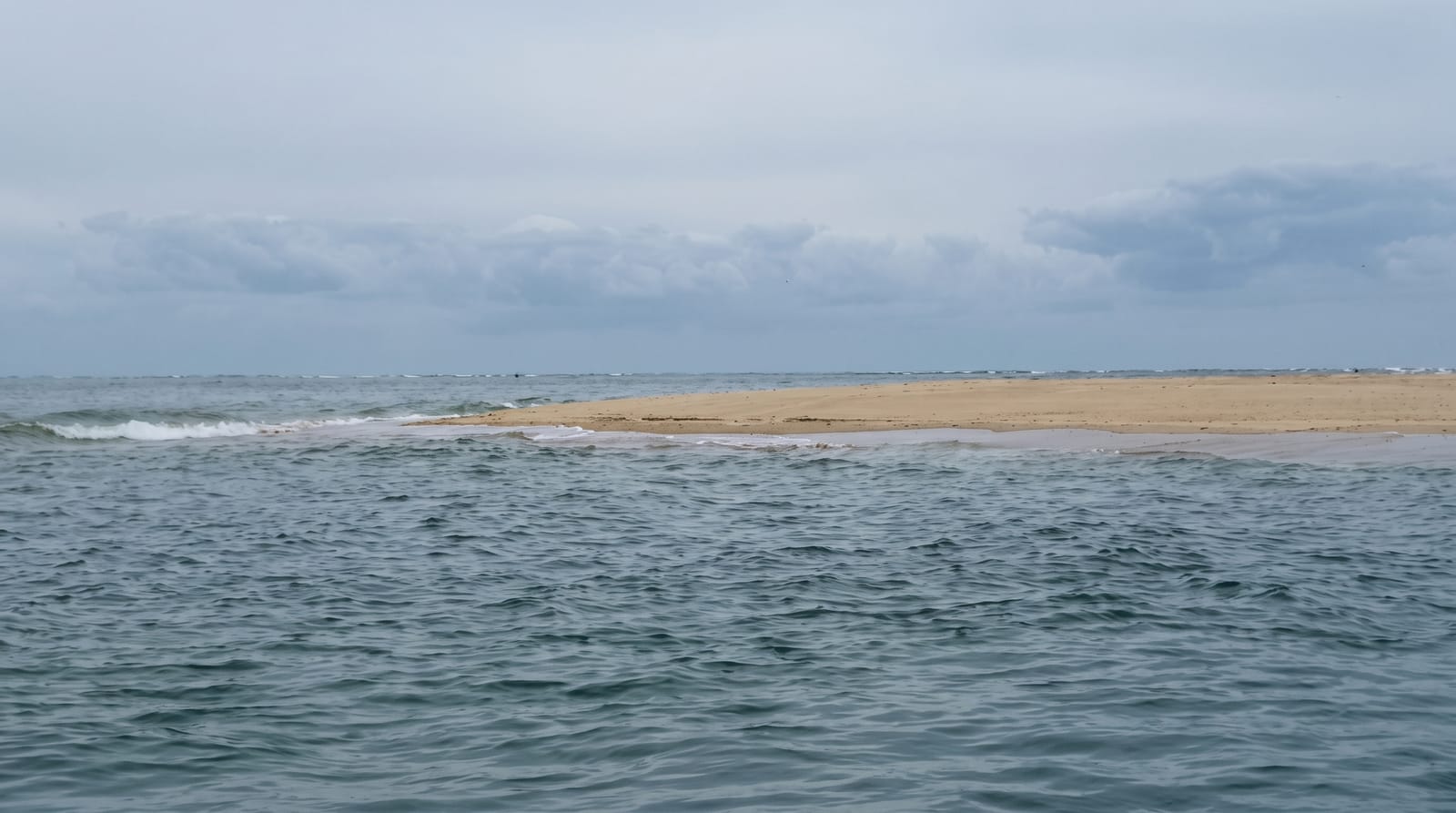
A natural spit of shingle and sand running three kilometres into the sea, shaped by two opposing currents.
Updated 4 September 2026

AI illustration
The Sillon de Talbert is a spit of shingle and sand about three kilometres long and thirty to a hundred metres wide, built where two tidal currents meet and drop what they carry, and it is one of the largest formations of its kind in Europe. It moves: storms shift material and the spit migrates slowly, and a gravel extraction operation in the twentieth century weakened it before being stopped. Walking it means crossing loose shingle out to a low tide field of rocks and islets with seals and seabirds around. A protected reserve covers it, with restrictions on where visitors may go during the bird breeding season.
The landscape
- The spit - three kilometres of shingle running out into the sea.
- The rock field - islets and reefs exposed at the far end at low tide.
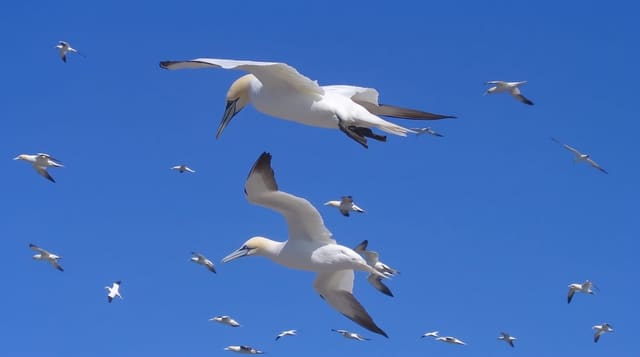
- The seabirds and seals - wildlife using the reserve around the spit.
- The shifting form - a landform visibly reshaped by storms.
When to go
April to October; access restrictions apply during the bird breeding season in spring and early summer. Tides matter, and the far end should not be reached on a rising tide.
Practical notes
Walking on loose shingle for three kilometres each way is tiring. The tide can cut off the far end. Parts are closed for nesting birds. There is no shade or shelter.
Nearby
Brehat lies east; Paimpol is southeast.
Key facts
Source: Wikidata, item Q3483905, read on 18 October 2026.
What to pack for Sillon de Talbert
Chosen from what this place is for. Tap a kit for the full checklist.
- Broken-in walking shoes or boots - Grip and ankle support matter more than looks; never hike in brand-new boots. Find on Amazon
- Binoculars - The single best wildlife tool - even a compact pair transforms a sighting. Find on Amazon
- Layers + a waterproof shell - Mountain weather turns fast; a packable rain jacket saves the day. Find on Amazon
- A zoom camera or long lens - Animals rarely come close; reach beats megapixels. Find on Amazon
Some links on this page are Amazon affiliate links - if you buy through them we may earn a small commission at no extra cost to you.
All packing kitsPlan your trip
Where to start if Sillon de Talbert is going on the list.
Booking links on this page are affiliate links - if you book through them we may earn a small commission at no extra cost to you. It never changes what we write about a place.
Opening times, ticket prices and seasonal closures change - check the official source before you go: official site.