Lychakiv Cemetery
A wooded hillside necropolis in Lviv, in use since 1786, packed with carved tombs of the city's dead.
Updated 20 October 2026
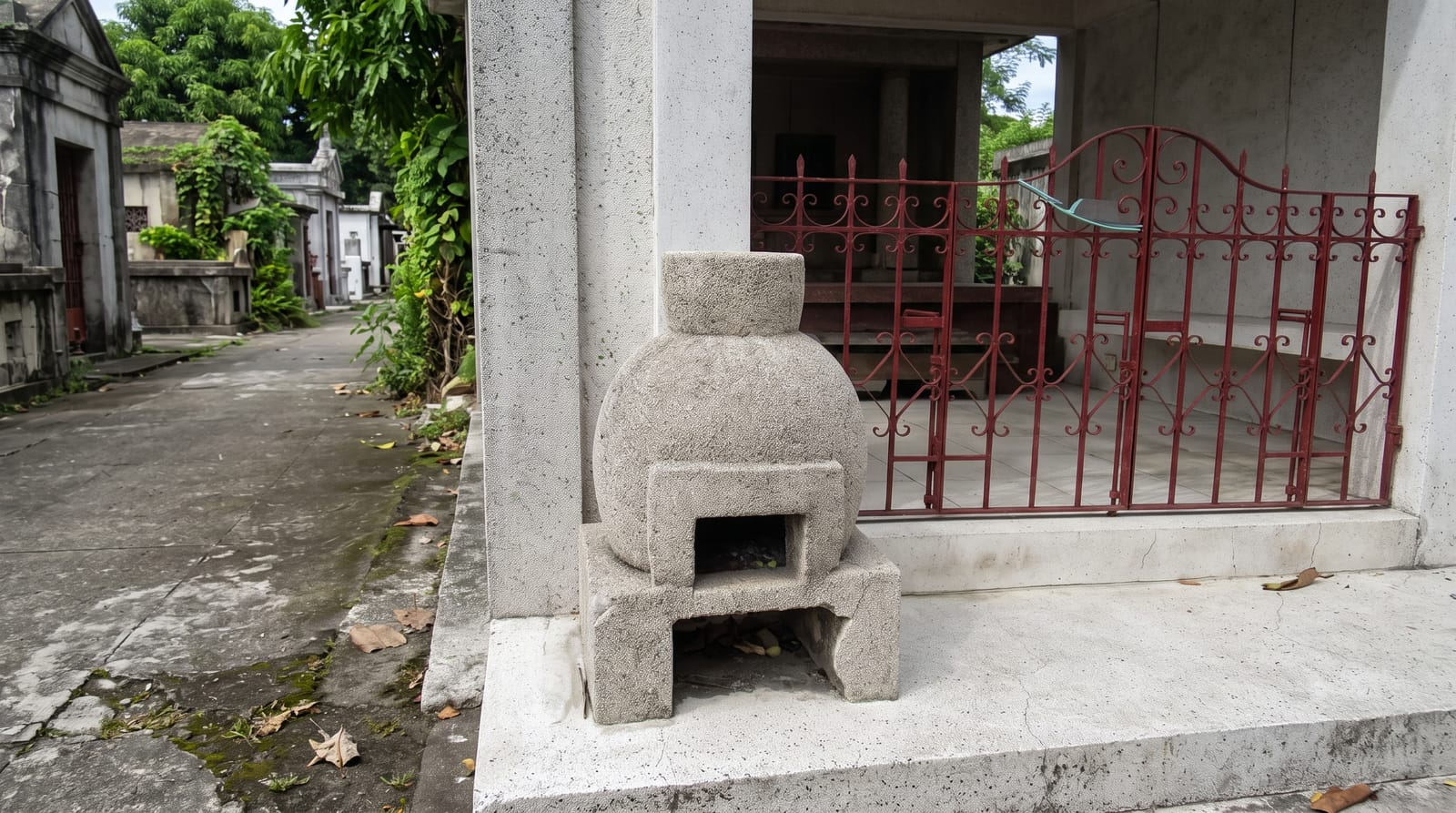
Lychakiv opened in 1786 when burials were moved out of the city churchyards, and it grew into one of the great European necropolises: 42 hectares of wooded hillside with over three hundred thousand burials, more than two thousand family vaults and some five hundred sculptures and reliefs, from neoclassical to Secession, laid out along winding avenues. Writers, composers, architects and merchants of Lviv's Polish, Ukrainian, Armenian and Austrian communities lie together across the slopes.
What's there
- The carved monuments - some five hundred sculptures and reliefs across two centuries of style.
- The avenues - winding paths through 42 hectares of wooded hillside.
- The mixed communities - Polish, Ukrainian, Armenian and Austrian burials side by side.
- The Secession tombs - art nouveau monuments from the turn of the century.
When to go
April to October is the most comfortable, with autumn colour among the tombs the best of the year. Mornings are quietest. The cemetery closes in the late afternoon.
Before you go
It is very large and easy to lose the thread of; a map or a guide helps considerably. Many inscriptions are weathered and hard to read. It remains a working cemetery and behaviour should reflect that.
Nearby
Lviv's old town is west, and Shevchenkivskyi Hai is on the same side of the city.
Key facts
Source: Wikidata, item Q1316721, read on 18 October 2026.
What to pack for Lychakiv Cemetery
Chosen from what this place is for. Tap a kit for the full checklist.
- Comfortable walking shoes - Sightseeing means kilometres of pavement and cobbles daily. Find on Amazon
- A slim anti-theft daypack - Zips that close properly; keep it in front in crowds and on transit. Find on Amazon
- A refillable water bottle - Many cities have public fountains; save money and plastic. Find on Amazon
- A light layer + compact umbrella - For museum air-con and a sudden shower. Find on Amazon
Some links on this page are Amazon affiliate links - if you buy through them we may earn a small commission at no extra cost to you.
All packing kitsPlan your trip
Where to start if Lychakiv Cemetery is going on the list.
Booking links on this page are affiliate links - if you book through them we may earn a small commission at no extra cost to you. It never changes what we write about a place.
Opening times, ticket prices and seasonal closures change - check the official source before you go: official site.