Sille
A stone village in a valley outside Konya, long home to a Greek-speaking Orthodox community, with a Byzantine church and rock chapels in the cliffs above.
Updated 21 October 2026
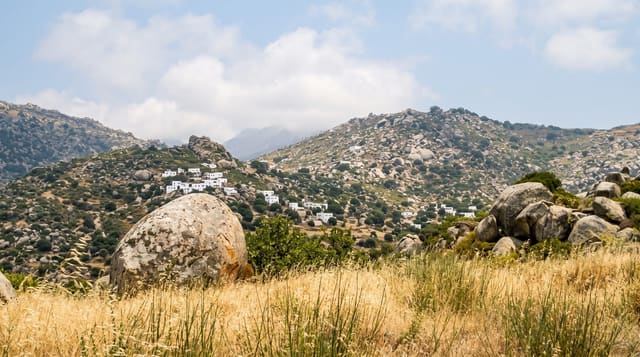
Sille lies in a narrow valley eight kilometres from Konya and was for centuries a Greek Orthodox village, one of the few where Cappadocian Greek was spoken, living alongside the Muslim population of the city without much friction - the local account, often repeated, credits Rumi, and a legend of the nearby monastery of Saint Chariton, Akmanastır, tells how the saint saved Rumi's son from a fall. What remains is the fabric: stone houses on both sides of a stream crossed by small bridges, and the Aya Elenia church, said to have been founded in the fourth century by Helena, mother of Constantine, on her way to Jerusalem, rebuilt over the centuries and restored recently with its frescoes and iconostasis. Above the village, rock chapels and cave dwellings are cut into the cliffs, some with painting. There is a small museum, a restored hamam, and cafés along the stream. It is a straightforward local outing from Konya and gets few foreign visitors.
The main sights
- Aya Elenia church - the restored Byzantine church and frescoes.
- The stone village - houses and bridges along the stream.
- The cliff chapels - rock-cut churches and caves above.
- The stream cafés - the tea houses along the water.
When to go
April to June and September to November. Weekday mornings for quiet; the Konya plateau is cold in winter and hot in high summer.
Before you go
The church keeps museum hours and can be closed. Cliff chapels require a climb and are unmarked. Restoration in the village is uneven. It is a half-day trip, not a destination.
Nearby
Konya and the Mevlâna Museum are eight kilometres away; the Karatay Medrese is in the city centre.
Key facts
Source: Wikidata, item Q4994437, read on 18 October 2026.
What to pack for Sille
Chosen from what this place is for. Tap a kit for the full checklist.
- Head torch + spare batteries - Hands-free light is essential; caves are truly dark. Find on Amazon
- Comfortable walking shoes - Sightseeing means kilometres of pavement and cobbles daily. Find on Amazon
- Modest clothing - Shoulders and knees covered - the single most common requirement. Find on Amazon
- Grippy closed shoes - Cave floors are wet, muddy and slick with formations. Find on Amazon
Some links on this page are Amazon affiliate links - if you buy through them we may earn a small commission at no extra cost to you.
All packing kitsPlan your trip
Where to start if Sille is going on the list.
Booking links on this page are affiliate links - if you book through them we may earn a small commission at no extra cost to you. It never changes what we write about a place.
Opening times, ticket prices and seasonal closures change - check the official source before you go: official site.