Villa Tulumba
A near-untouched colonial village on the old royal road north of Córdoba, whose small church holds a remarkable carved tabernacle.
Updated 4 September 2026
AI illustration
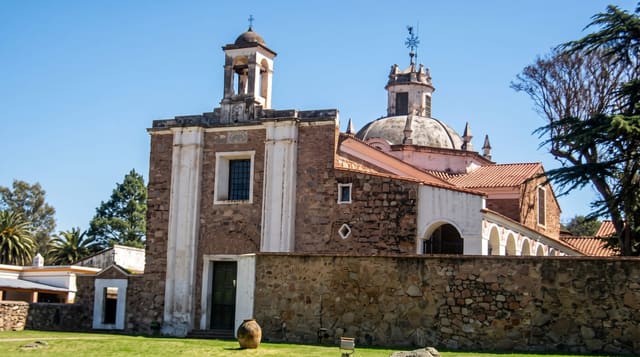
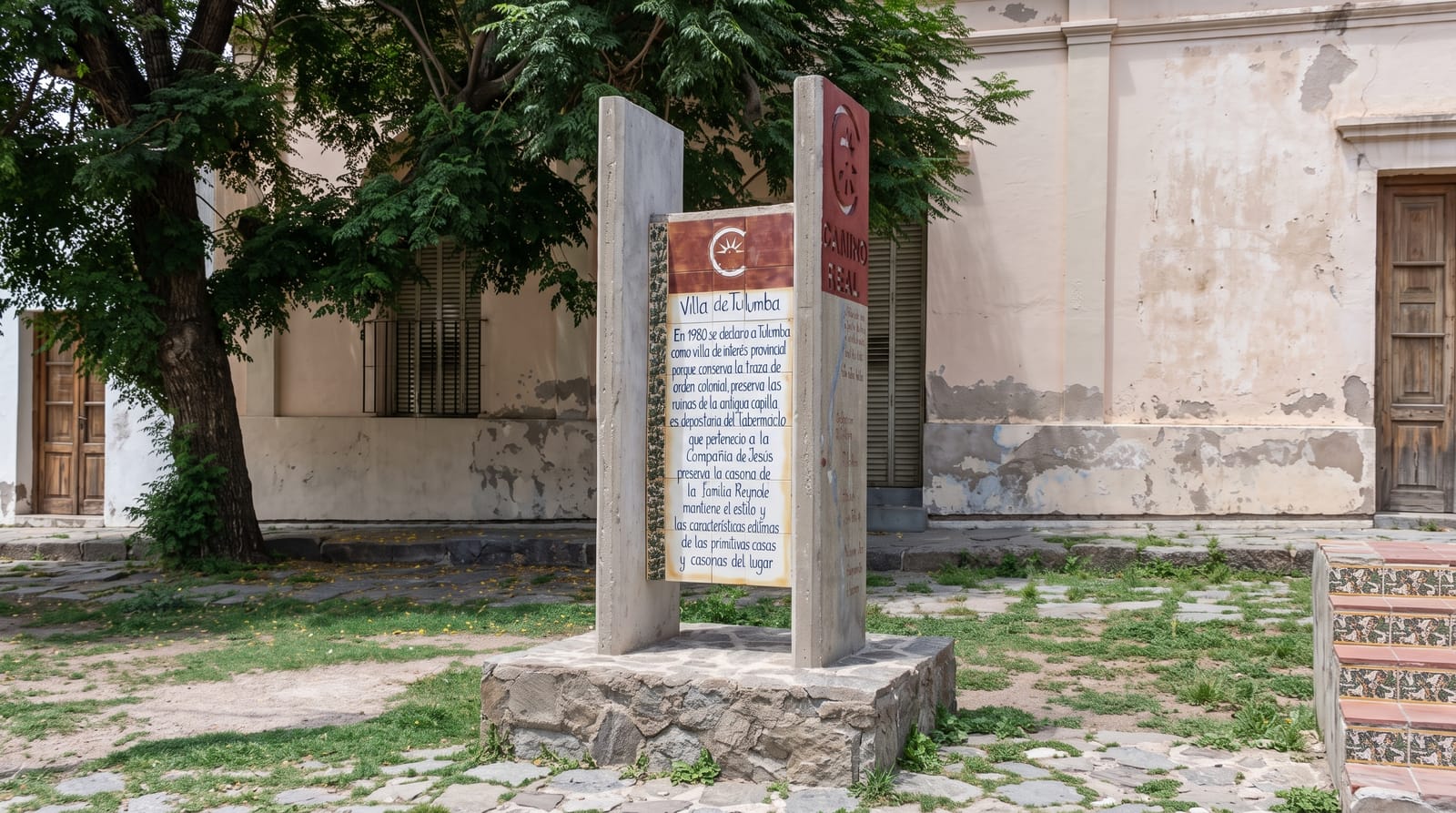
Villa Tulumba lies on the Camino Real, the colonial road that ran north from Córdoba toward Upper Peru, and it has changed remarkably little since: adobe houses with deep verandas, an unpaved plaza, and a rhythm that belongs to another century. Its parish church holds the village's treasure, a carved and gilded wooden tabernacle in Andean baroque style, brought from the Jesuit church in Córdoba after the order's expulsion and considered one of the finest pieces of colonial woodwork in the province. Around the village the country is dry scrub and low hills, with old estancias and chapels scattered along the historic route. Very few travellers make the detour, which is precisely why the village feels the way it does.
Highlights
- The gilded tabernacle - the Andean baroque carving in the parish church.
- The colonial village - adobe houses and verandas around an unpaved plaza.
- The Camino Real - the old royal road and its chapels and estancias.
- The dry hill country - scrub and low sierras surrounding the village.
When to go
Year-round; autumn and spring are most comfortable, summer is hot with storms that can affect the unpaved approach. The church is often locked, so ask at the plaza for the keyholder before assuming a wasted trip.
What to expect
There is almost nothing here beyond the church and the atmosphere, and services are minimal. The access road is partly unpaved. If the church is closed, the visit amounts to a walk around a quiet square.
Nearby
Cerro Colorado lies northeast; Jesús María and Colonia Caroya are south on the RN9.
Key facts
Source: Wikidata, item Q3111419, read on 18 October 2026.
What to pack for Villa Tulumba
Chosen from what this place is for. Tap a kit for the full checklist.
- Comfortable walking shoes - Sightseeing means kilometres of pavement and cobbles daily. Find on Amazon
- A slim anti-theft daypack - Zips that close properly; keep it in front in crowds and on transit. Find on Amazon
- A refillable water bottle - Many cities have public fountains; save money and plastic. Find on Amazon
- A light layer + compact umbrella - For museum air-con and a sudden shower. Find on Amazon
Some links on this page are Amazon affiliate links - if you buy through them we may earn a small commission at no extra cost to you.
All packing kitsPlan your trip
Where to start if Villa Tulumba is going on the list.
Booking links on this page are affiliate links - if you book through them we may earn a small commission at no extra cost to you. It never changes what we write about a place.
Opening times, ticket prices and seasonal closures change - check the official source before you go: official site.