Datça Peninsula
A long finger of pine, almond and olive between the gulfs of Gökova and Hisarönü, with quiet coves and a road that takes its time.
Updated 21 October 2026
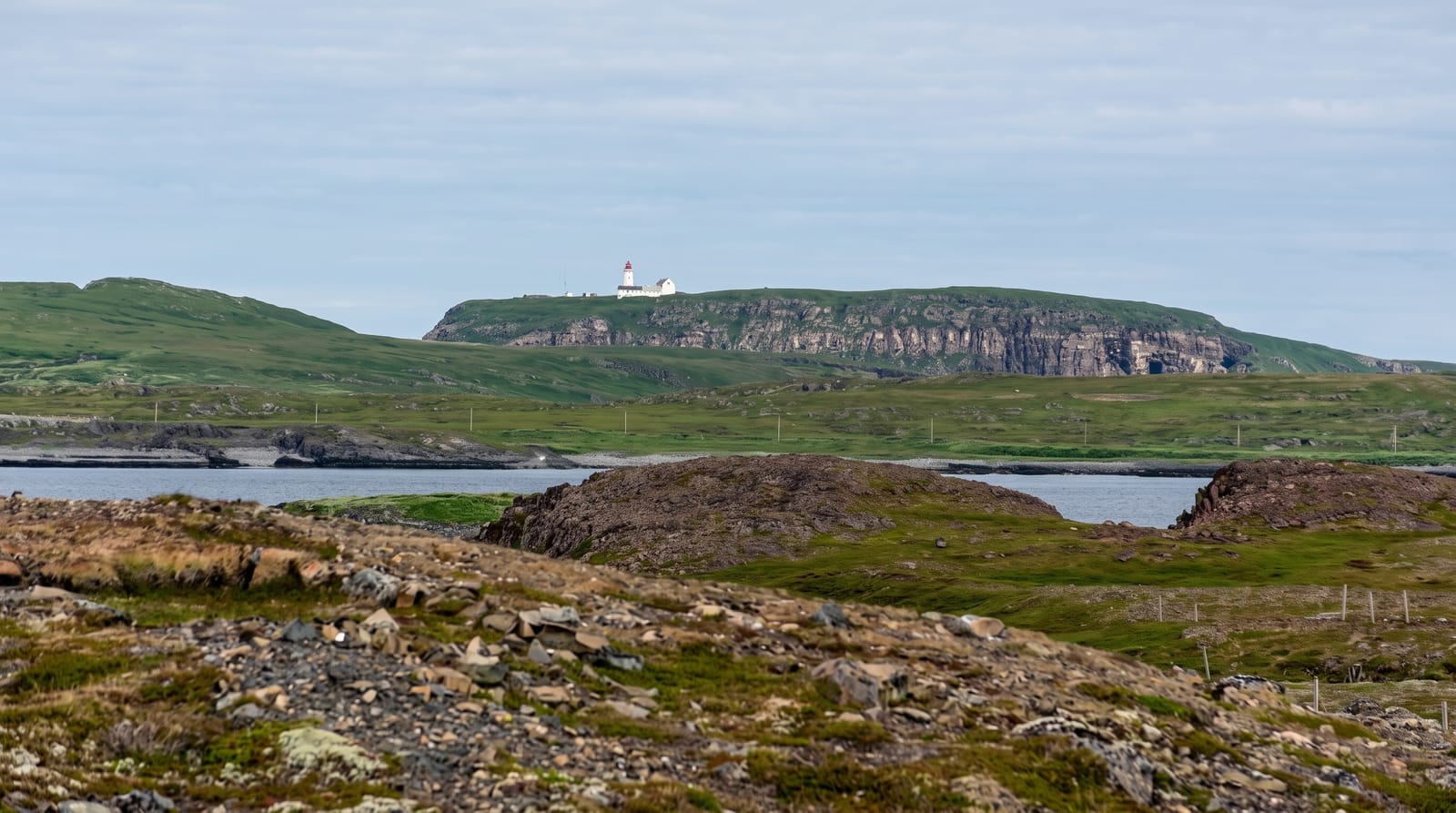
The Datça peninsula, also called Reşadiye and known in antiquity as the Knidian peninsula, runs some eighty kilometres west from near Marmaris between the Gulf of Gökova to the north and the Hisarönü gulf to the south, narrow enough in places that both are visible from the road - locals will tell you the Aegean and the Mediterranean meet at the tip and that the air is the reason people live long here, a claim attributed to a line of Strabo about Knidos that has been polished considerably in the retelling. What is true is that development has been restrained by the distance and the terrain: the coast is a series of coves and small bays, the interior is pine forest, almond and olive groves, and the villages - Eski Datça with its stone houses, Reşadiye, Mesudiye, Palamutbükü - are small. Datça town has a harbour and a strip of restaurants. Almonds and almond products are the local speciality, along with thyme honey. The road to Knidos at the very tip is slow and worth it.
What's there
- The two gulfs - Gökova and Hisarönü from the same ridge.
- Eski Datça - the old stone village inland of the town.
- The coves - Palamutbükü, Ovabükü and the small bays.
- The almond groves - the crop the peninsula lives on.
When to go
May to June and September to October; the almond blossom in February is a local event. August is busy and hot, and winter closes much of the peninsula.
Good to know
Everything is spread out and a car is close to essential - the peninsula road is slow and winding. Beaches are pebble more often than sand. Out of season many restaurants and pensions close entirely.
Nearby
Knidos is at the western tip; Marmaris and Bozburun are back east.
Key facts
Source: Wikidata, item Q772555, read on 18 October 2026.
What to pack for Datça Peninsula
Chosen from what this place is for. Tap a kit for the full checklist.
- Broken-in walking shoes or boots - Grip and ankle support matter more than looks; never hike in brand-new boots. Find on Amazon
- Reef-safe sunscreen - High SPF that will not bleach the coral you are swimming over. Find on Amazon
- Layers + a waterproof shell - Mountain weather turns fast; a packable rain jacket saves the day. Find on Amazon
- Quick-dry towel - A microfibre towel packs small and dries in minutes. Find on Amazon
Some links on this page are Amazon affiliate links - if you buy through them we may earn a small commission at no extra cost to you.
All packing kitsPlan your trip
Where to start if Datça Peninsula is going on the list.
Booking links on this page are affiliate links - if you book through them we may earn a small commission at no extra cost to you. It never changes what we write about a place.
Opening times, ticket prices and seasonal closures change - check the official source before you go: official site.