The Serengeti
The most famous savanna on earth - an endless plain teeming with wildlife and the stage for the Great Migration, when millions of wildebeest and zebra thunder across it, a UNESCO wilderness.
Updated 18 October 2026
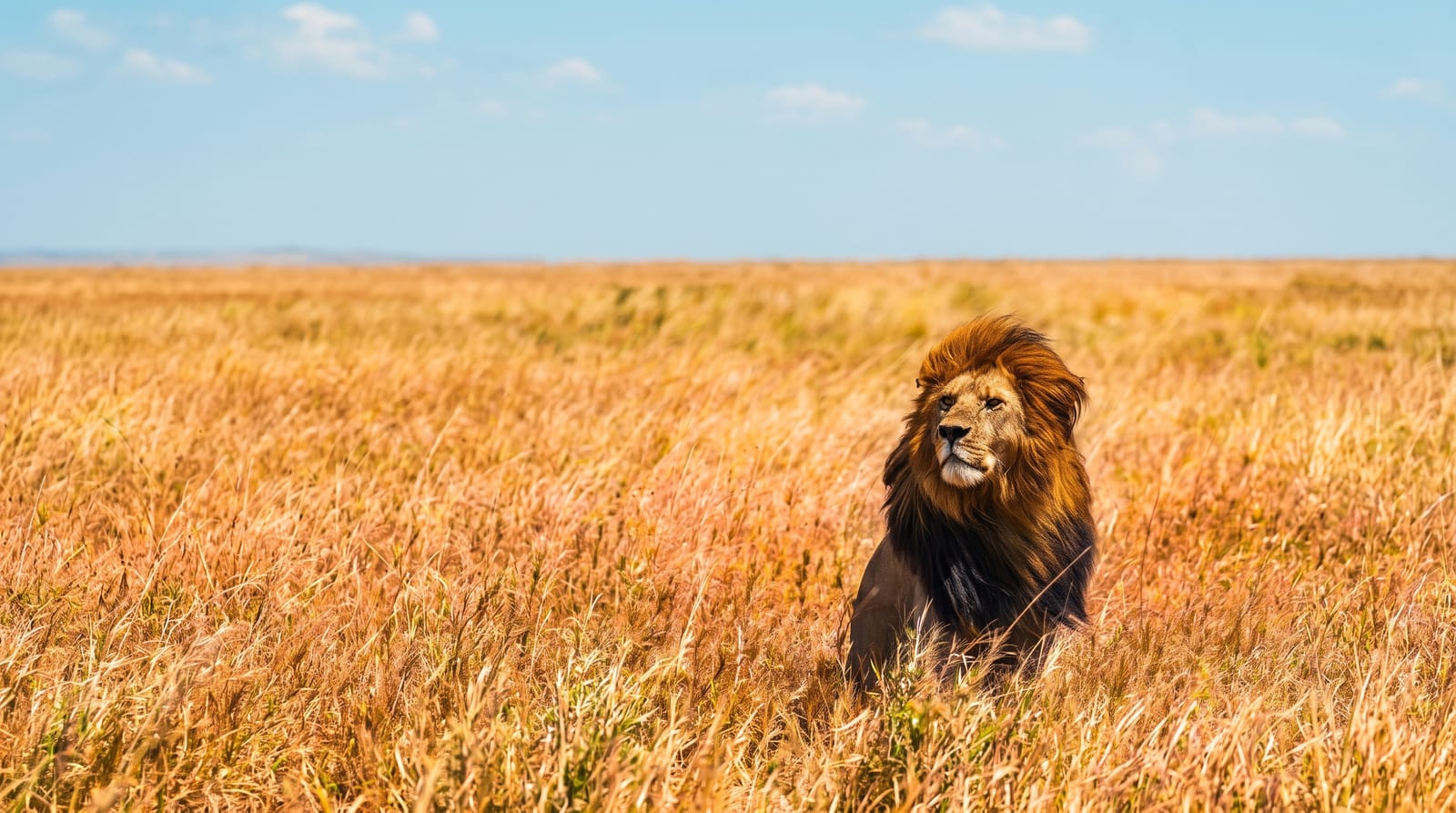
AI illustration
UNESCO World Heritage
The Serengeti is the most famous savanna on earth, a vast, seemingly endless plain of golden grass, acacia and rocky outcrops in northern Tanzania, teeming with the greatest concentration of large mammals in the world. A UNESCO wilderness, it is above all the stage for the Great Migration, the ceaseless, year-round circular journey of some two million wildebeest and zebra, and the lions, cheetahs and crocodiles that follow them, one of nature's greatest spectacles.
History
In 1930 Major Richard Hingston, on a mission from the Society for the Preservation of the Fauna of the Empire, proposed that the Serengeti Game Reserve become a national park, and it did in 1940; it received strict protection in 1948 under a board of trustees, its boundaries were fixed in 1951 as the government restricted the movements of the resident Maasai, and in 1959 some 8,300 square kilometres in the east were split off as the Ngorongoro Conservation Area to make room for the Maasai's traditional land use. Bernhard Grzimek and his son Michael made it famous with their 1959 book and film Serengeti Shall Not Die, and in 1966 the Serengeti Research Institute was set up at Seronera to study the Great Migration (Wikipedia, Serengeti National Park).
The landscape
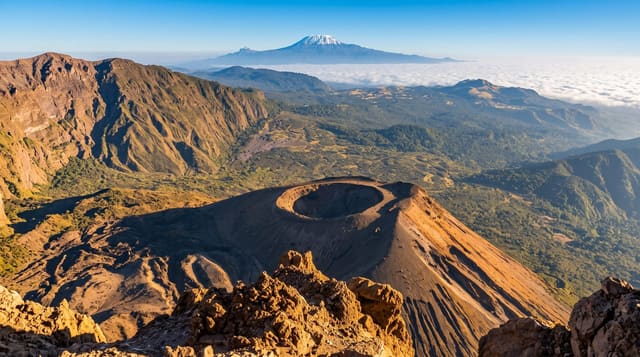
- The Great Migration - the vast herds of wildebeest and zebra on the move.
- The big cats - the lions, cheetahs and leopards of the plains.
- The endless plains - the classic golden savanna to the horizon.
- A balloon safari - the dawn flight over the herds and plains.
When to go
The migration moves year-round, so timing depends on what you want to see: the dramatic river crossings in the north around July to October, and the calving on the southern plains around January to February. The dry season generally offers the easiest wildlife viewing.
Before you go
The migration is spread across a vast area and moves with the seasons, so its exact location shifts year to year; research where the herds will be for your dates, and even then the dramatic crossings are never guaranteed. It is remote and reached by flights or long drives. It ranges from budget camps to luxury lodges. It is a bucket-list wilderness.
Nearby
The Ngorongoro Crater, Tarangire and Lake Manyara complete the northern safari circuit.
Key facts
Source: Wikidata, item Q4991540, read on 18 October 2026.
What to pack for The Serengeti
Chosen from what this place is for. Tap a kit for the full checklist.
- Broken-in walking shoes or boots - Grip and ankle support matter more than looks; never hike in brand-new boots. Find on Amazon
- Binoculars - The single best wildlife tool - even a compact pair transforms a sighting. Find on Amazon
- Layers + a waterproof shell - Mountain weather turns fast; a packable rain jacket saves the day. Find on Amazon
- A zoom camera or long lens - Animals rarely come close; reach beats megapixels. Find on Amazon
Some links on this page are Amazon affiliate links - if you buy through them we may earn a small commission at no extra cost to you.
All packing kitsPlan your trip
Where to start if The Serengeti is going on the list.
Booking links on this page are affiliate links - if you book through them we may earn a small commission at no extra cost to you. It never changes what we write about a place.
Opening times, ticket prices and seasonal closures change - check the official source before you go: official site.