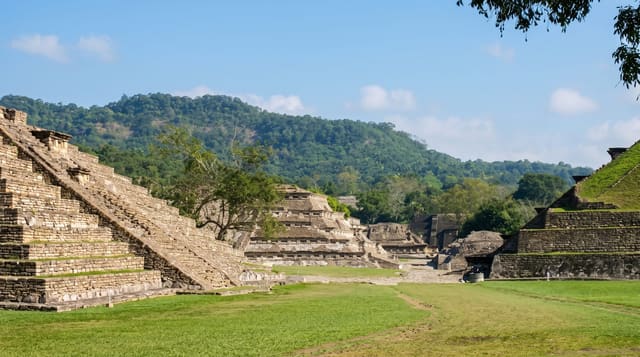
Ugarit
Where the alphabet was born - the Bronze Age port whose clay tablets carry one of the world's first alphabetic scripts, on the hills above Latakia.
Updated 21 October 2026
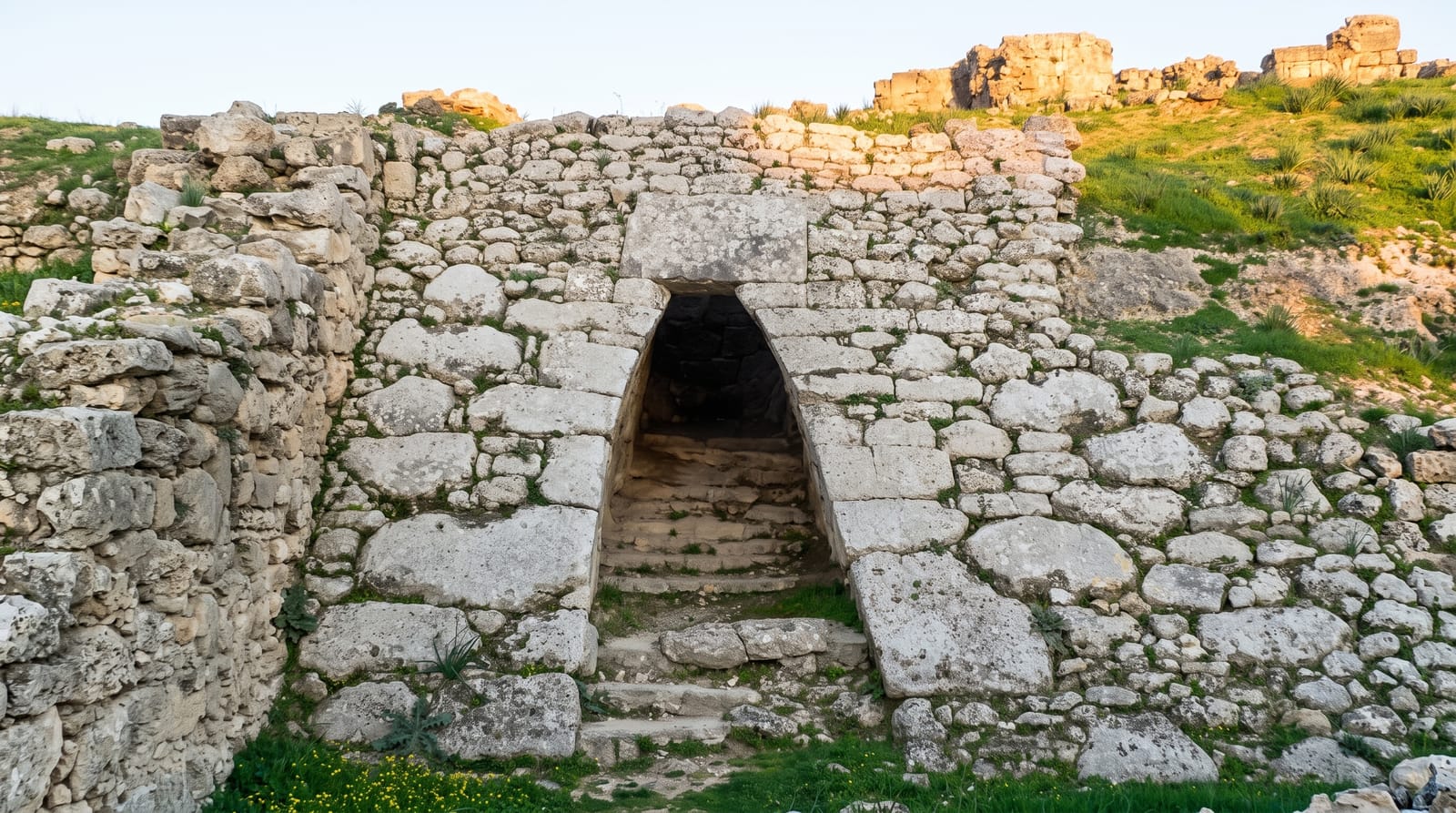
AI illustration
On the tell of Ras Shamra above the Mediterranean, Ugarit compressed a world-historical gift into clay: the Bronze Age trading kingdom's scribes developed a cuneiform alphabet of thirty signs - the earliest alphabet preserved with a fixed letter order, ancestor-adjacent to every letter this sentence uses - and their tablet archives, dug from the palace ruins since 1929, recorded diplomacy, myth and merchant ledgers in it. The site today walks palace courts, temple platforms to Baal and Dagan, and residential lanes of the city that traded with pharaohs and Hittites until the Sea Peoples' era closed its story around 1200 BC.
The main sights
- The palace archives' courts - where the alphabet tablets lay.
- The temples of Baal and Dagan - the acropolis platforms.
- The merchant lanes - Bronze Age urbanism in limestone.
- The Mediterranean setting - the trade horizon that made the city.
When to go
October to May suits the coastal climate; spring wraps the ruins in wildflowers.
What to expect
On site: remains are foundations asking imagination - the story towers over the stones, and a guide's telling (or prior reading) makes the difference; the great tablets themselves live in museums.
Nearby
Latakia's coast and the Saladin castle inland.
Key facts
Source: Wikidata, item Q191369, read on 18 October 2026.
What to pack for Ugarit
Chosen from what this place is for. Tap a kit for the full checklist.
- Comfortable walking shoes - Sightseeing means kilometres of pavement and cobbles daily. Find on Amazon
- Modest clothing - Shoulders and knees covered - the single most common requirement. Find on Amazon
- A slim anti-theft daypack - Zips that close properly; keep it in front in crowds and on transit. Find on Amazon
- A scarf or shawl - To cover the head or shoulders on entry; women especially at mosques. Find on Amazon
Some links on this page are Amazon affiliate links - if you buy through them we may earn a small commission at no extra cost to you.
All packing kitsPlan your trip
Where to start if Ugarit is going on the list.
Booking links on this page are affiliate links - if you book through them we may earn a small commission at no extra cost to you. It never changes what we write about a place.
Opening times, ticket prices and seasonal closures change - check the official source before you go: official site.