Cyrrhus
A Hellenistic-Roman city with a theatre and two Roman bridges still in use.
Updated 20 October 2026
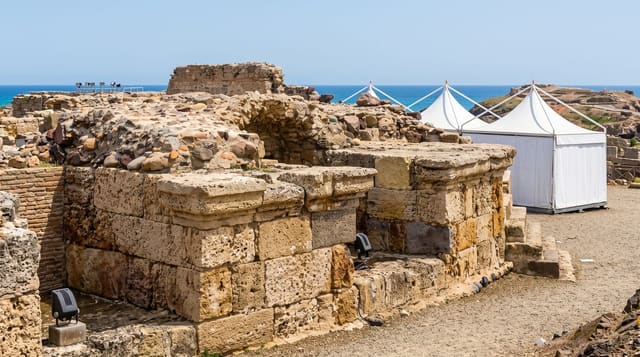
Cyrrhus, called Nebi Huri locally, was founded by Seleucus I and became a Roman frontier city, and its remains are scattered across quiet hill country: a large theatre, walls and gates, a hexagonal tower tomb that later became the shrine of a Muslim saint, and, on the approach roads, two Roman bridges that still carry traffic across the streams. The site is green in spring and almost always empty. The theologian Theodoret was its bishop in the fifth century, and its ruins have been excavated by French and later Lebanese and Syrian teams.
What to look for
- The theatre - the excavated cavea on the hillside.
- The Roman bridges - two ancient spans still in daily use.
- The tower tomb - the hexagonal mausoleum turned shrine.
- The hill country - the quiet borderland setting.
When to go
March to May and October to November are mild, with spring the greenest. Summer is hot. The bridges are best photographed with water under them.
Things to know
The area is remote and access arrangements change; local checking is essential. There are no facilities. Excavated areas are uneven and unfenced.
Nearby
Azaz is south, and Ain Dara is southwest.
Key facts
Source: Wikidata, item Q536924, read on 18 October 2026.
What to pack for Cyrrhus
Chosen from what this place is for. Tap a kit for the full checklist.
- Comfortable walking shoes - Sightseeing means kilometres of pavement and cobbles daily. Find on Amazon
- Modest clothing - Shoulders and knees covered - the single most common requirement. Find on Amazon
- A slim anti-theft daypack - Zips that close properly; keep it in front in crowds and on transit. Find on Amazon
- A scarf or shawl - To cover the head or shoulders on entry; women especially at mosques. Find on Amazon
Some links on this page are Amazon affiliate links - if you buy through them we may earn a small commission at no extra cost to you.
All packing kitsPlan your trip
Where to start if Cyrrhus is going on the list.
Booking links on this page are affiliate links - if you book through them we may earn a small commission at no extra cost to you. It never changes what we write about a place.
Opening times, ticket prices and seasonal closures change - check the official source before you go: official site.