Toggenburg
A valley between the Santis and the Churfirsten where natural yodelling and the sound of hand bells are still ordinary.
Updated 30 August 2026
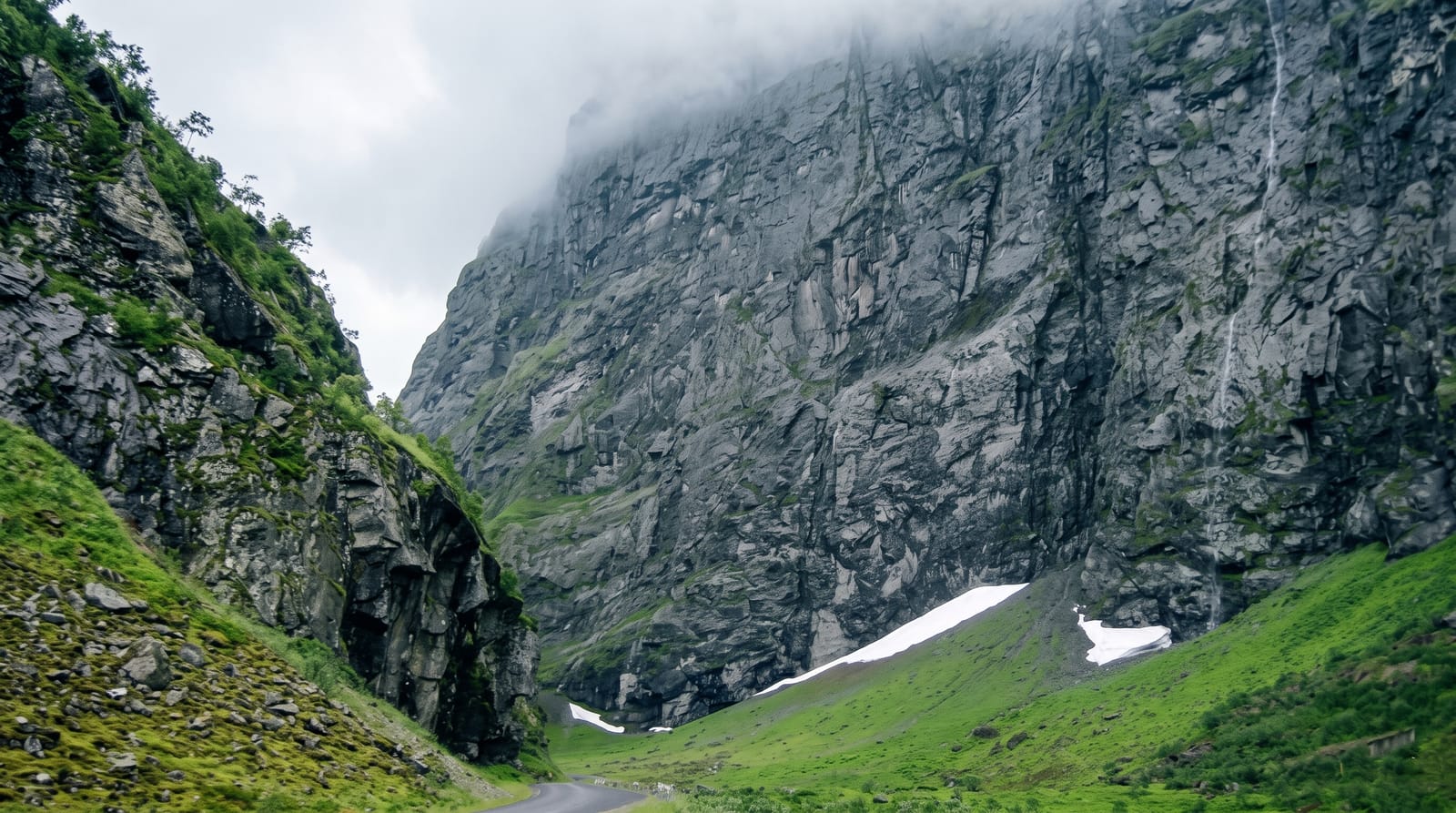
The Toggenburg runs from Wil up to Wildhaus between the Santis massif and the Churfirsten, and its identity is musical. Naturjodel - wordless yodelling in close harmony, sung without accompaniment - is a living practice here rather than a revival, and it is heard at alp festivals, in church and at informal gatherings. The Toggenburger Halszither and hand bells belong to the same tradition. A Klangweg, a sound path, runs along the ridge from Iltios to Sellamatt with dozens of installations that visitors play, which makes the theme accessible without staging a performance. Wildhaus was Zwingli's birthplace and his house, a timber building of about 1450, is among the oldest in the country.
The main sights
- Living natural yodelling - sung in harmony without accompaniment.
- The Klangweg - a ridge sound path of playable installations.
- Zwingli's birthplace - a timber house of about 1450 at Wildhaus.
- Santis and Churfirsten - the two ranges framing the valley.
When to go
June to October, or the ski season. Two days.
Things to know
The music is a community practice, not a scheduled show - hearing it takes luck or a festival date. The Klangweg is aimed at families. Public transport thins beyond Nesslau. Lifts close between seasons.
Nearby
The Churfirsten ridge is south; Appenzell and the Santis are north-east.
Key facts
Source: Wikidata, item Q693185, read on 18 October 2026.
What to pack for Toggenburg
Chosen from what this place is for. Tap a kit for the full checklist.
- Comfortable walking shoes - Sightseeing means kilometres of pavement and cobbles daily. Find on Amazon
- A slim anti-theft daypack - Zips that close properly; keep it in front in crowds and on transit. Find on Amazon
- A refillable water bottle - Many cities have public fountains; save money and plastic. Find on Amazon
- A light layer + compact umbrella - For museum air-con and a sudden shower. Find on Amazon
Some links on this page are Amazon affiliate links - if you buy through them we may earn a small commission at no extra cost to you.
All packing kitsPlan your trip
Where to start if Toggenburg is going on the list.
Booking links on this page are affiliate links - if you book through them we may earn a small commission at no extra cost to you. It never changes what we write about a place.
Opening times, ticket prices and seasonal closures change - check the official source before you go: official site.