Zamora Old Town
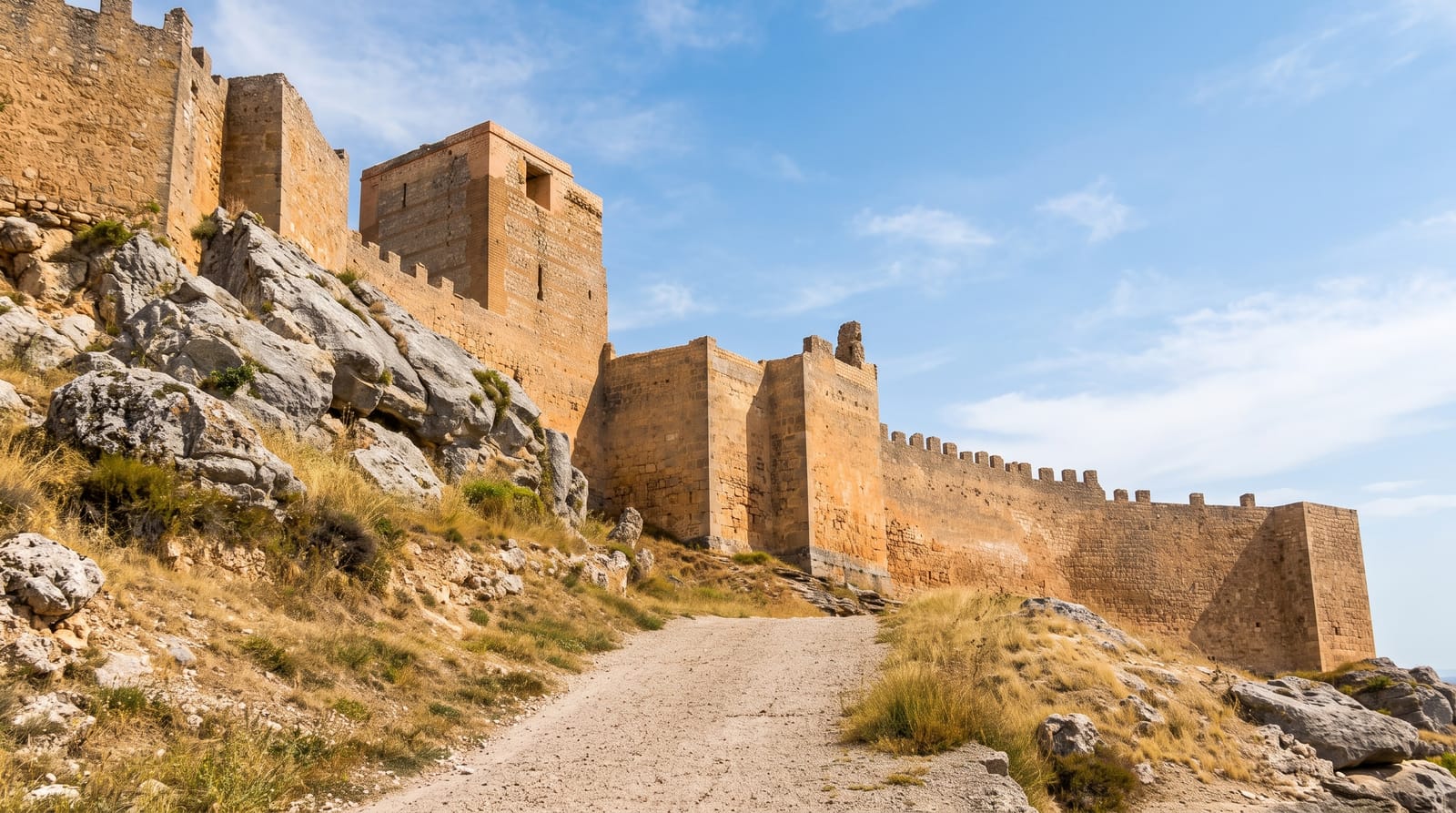
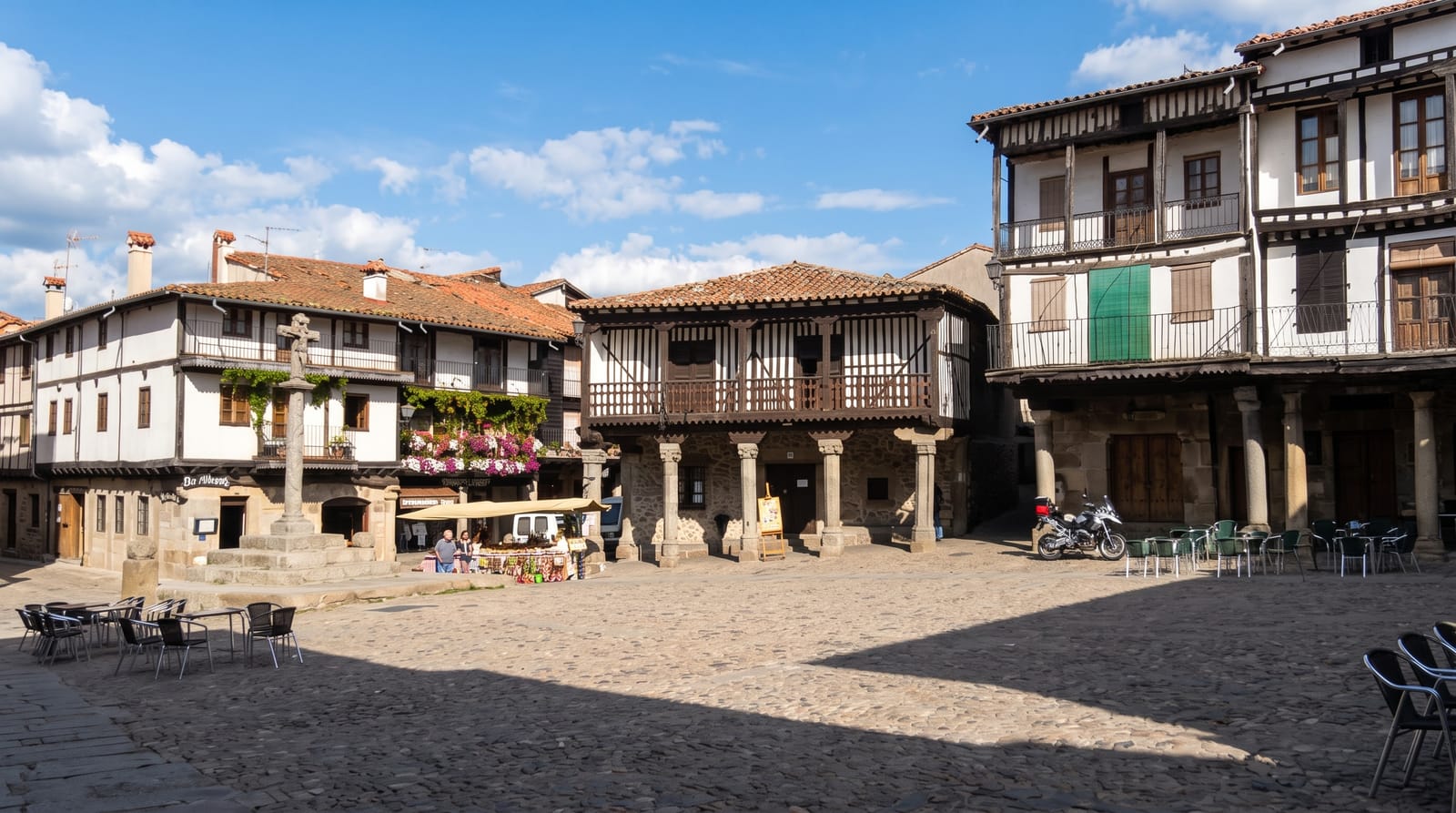
A walled town above the Duero holding more Romanesque churches in one place than anywhere else in Europe.
Updated 4 September 2026

AI illustration
Zamora sat on the frontier through the eleventh and twelfth centuries, which brought money, masons and a burst of church building: twenty-three Romanesque churches survive within the old town, the densest concentration in Europe, along with the cathedral, whose dome of scaled stone on a drum of windows is unlike anything else in Spain and shows Byzantine influence. Most churches are small, plain and free to enter, and the pleasure is in walking between them. The cathedral museum holds the Black Tapestries, a set of Flemish weavings of the fifteenth and sixteenth centuries. Zamora's Holy Week is among the oldest and most austere in Spain, declared of international tourist interest, and it fills the town each spring.
What to look for
- The twenty-three churches - Europe's densest surviving Romanesque group.
- The cathedral dome - a scaled stone dome with Byzantine character.
- The Black Tapestries - Flemish weavings in the cathedral museum.
- The Holy Week processions - austere and ancient rites through the town.
When to go
April to June and September to November; Holy Week is the town's great event and fills it completely. Summer on the meseta is very hot and winter cold. Many churches keep short and irregular hours.
What to expect
Most of the Romanesque churches are locked outside service times or open only in short windows, and seeing inside more than a handful takes planning. Zamora is quiet and off the main tourist circuit. Accommodation is scarce during Holy Week.
Nearby
The Arribes del Duero lie southwest; Salamanca and Toro are within an hour.
What to pack for Zamora Old Town
Chosen from what this place is for. Tap a kit for the full checklist.
- Comfortable walking shoes - Sightseeing means kilometres of pavement and cobbles daily. Find on Amazon
- Modest clothing - Shoulders and knees covered - the single most common requirement. Find on Amazon
- A slim anti-theft daypack - Zips that close properly; keep it in front in crowds and on transit. Find on Amazon
- A scarf or shawl - To cover the head or shoulders on entry; women especially at mosques. Find on Amazon
Some links on this page are Amazon affiliate links - if you buy through them we may earn a small commission at no extra cost to you.
All packing kitsPlan your trip
Where to start if Zamora Old Town is going on the list.
Booking links on this page are affiliate links - if you book through them we may earn a small commission at no extra cost to you. It never changes what we write about a place.
Opening times, ticket prices and seasonal closures change - check the official source before you go: official site.