Siguenza
A Guadalajara town of medieval streets under a fortified cathedral, with a castle at the top now serving as a parador.
Updated 4 September 2026

AI illustration
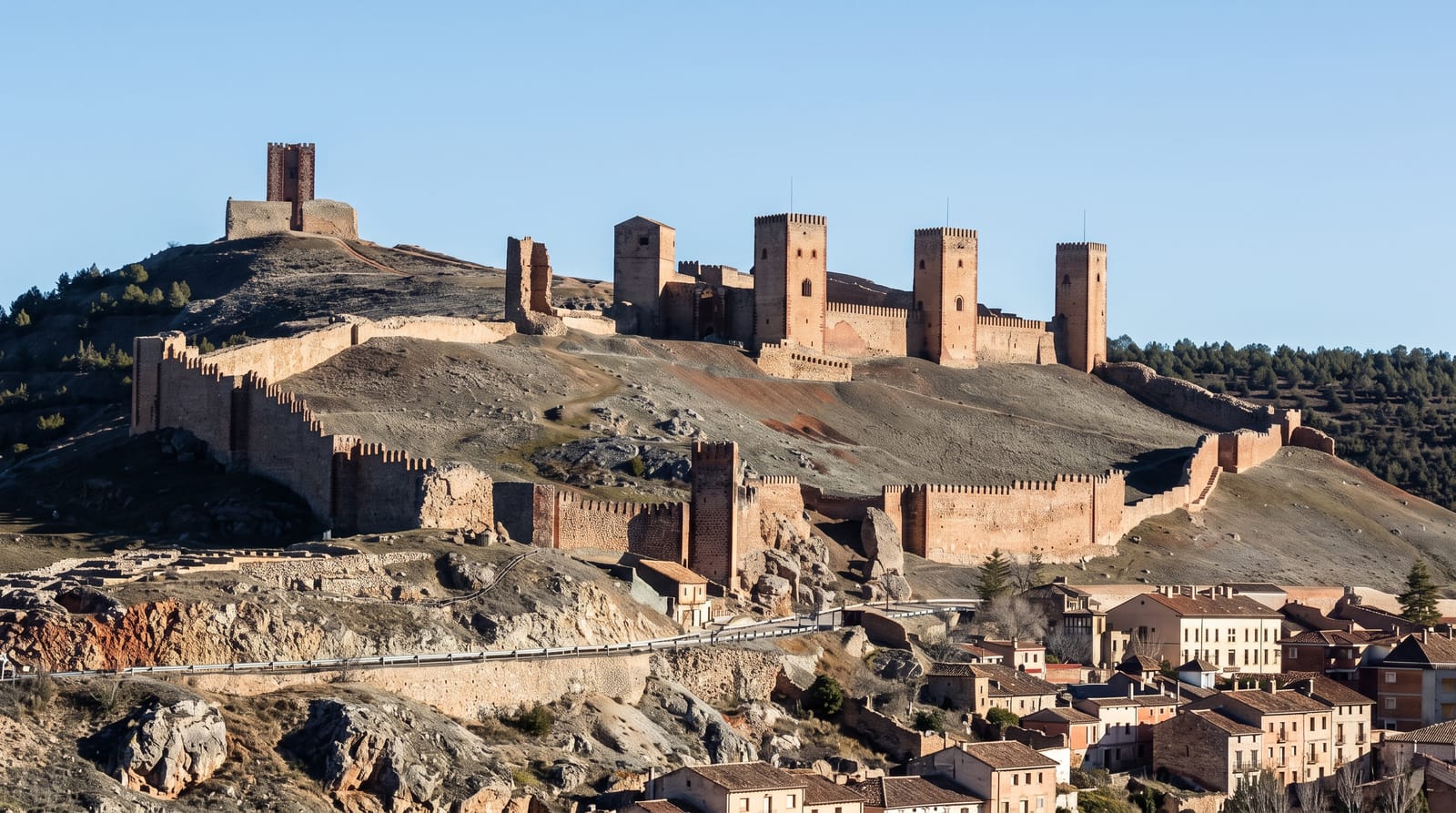
Siguenza climbs a hillside in the Henares valley, and the cathedral at its centre is unusual in being built as a fortress: begun in 1124 shortly after the town was taken from Muslim rule, it has crenellated towers, arrow slits and thick walls, and it took four centuries to complete, so it runs from Romanesque through Gothic to Renaissance work. Inside is the funerary sculpture of Martin Vazquez de Arce, the Doncel, a young nobleman shown reclining and reading rather than in prayer, carved around 1490 and one of the best-known Spanish tomb figures. The castle above, of Muslim origin and rebuilt as an episcopal palace, is now a parador. Between them run stepped medieval streets and an arcaded plaza.
Highlights
- The fortified cathedral - a crenellated church with arrow slits and towers.
- The Doncel tomb - a reclining knight reading, carved around 1490.
- The castle parador - a Muslim-origin fortress rebuilt as a hotel.
- The medieval streets - stepped lanes between the cathedral and castle.
When to go
April to June and September to November; Siguenza sits high and winters are cold, summers hot. The cathedral keeps a long midday closure and parts are seen only on guided visits.
Good to know
The Doncel chapel and several cathedral areas require a guided visit at set times. The climb to the castle is steep. The town is small and quiet outside weekends, with limited services.
Nearby
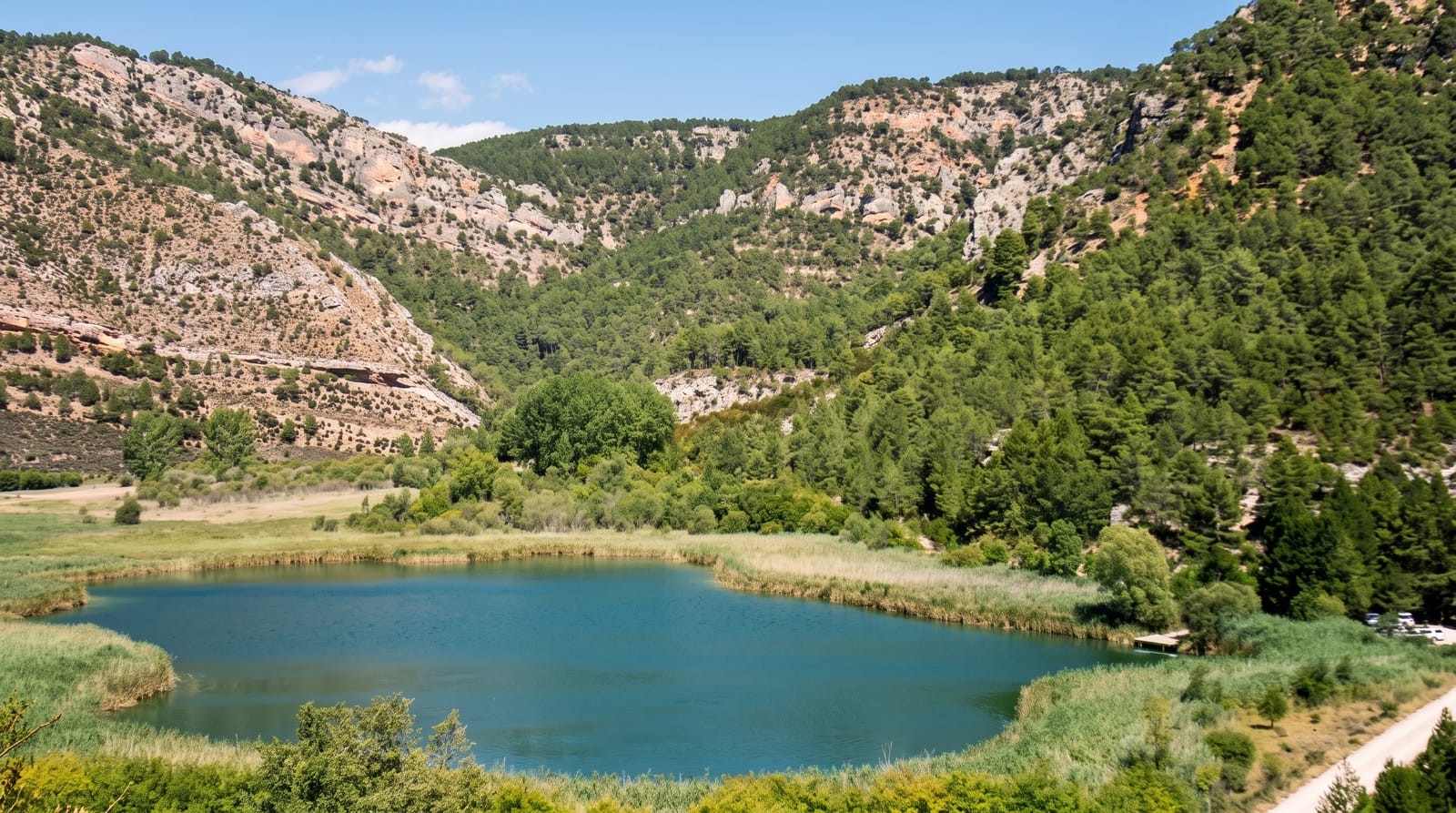
The Alto Tajo park lies northeast; Atienza and Molina de Aragon are in the same highlands.
Key facts
Source: Wikidata, item Q47475, read on 18 October 2026.
What to pack for Siguenza
Chosen from what this place is for. Tap a kit for the full checklist.
- Comfortable walking shoes - Sightseeing means kilometres of pavement and cobbles daily. Find on Amazon
- Modest clothing - Shoulders and knees covered - the single most common requirement. Find on Amazon
- A slim anti-theft daypack - Zips that close properly; keep it in front in crowds and on transit. Find on Amazon
- A scarf or shawl - To cover the head or shoulders on entry; women especially at mosques. Find on Amazon
Some links on this page are Amazon affiliate links - if you buy through them we may earn a small commission at no extra cost to you.
All packing kitsPlan your trip
Where to start if Siguenza is going on the list.
Booking links on this page are affiliate links - if you book through them we may earn a small commission at no extra cost to you. It never changes what we write about a place.
Opening times, ticket prices and seasonal closures change - check the official source before you go: official site.