Javier Castle
The birthplace of Francis Xavier in eastern Navarra, a tenth-century castle partly demolished by Cardinal Cisneros and rebuilt.
Updated 4 September 2026

AI illustration
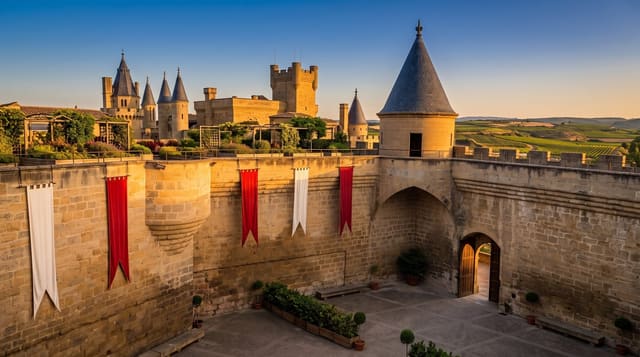
Francisco de Jasso y Azpilicueta, later Francis Xavier, was born in this castle in 1506 into a Navarrese noble family; he went on to co-found the Jesuits with Ignatius of Loyola and to travel as a missionary to India, Malacca and Japan, dying off the Chinese coast in 1552. The castle itself was already old, begun in the tenth century, and in 1516 Cardinal Cisneros ordered much of it demolished after the family supported the losing side in the Castilian annexation of Navarre. Jesuits restored it from 1892 in a style that added towers and battlements, so the present building mixes surviving medieval fabric with romantic reconstruction. It holds a chapel with a fifteenth-century walnut crucifix and a painted dance of death.
The main sights
- The medieval keep - surviving fabric from the tenth-century castle.
- The 1892 restoration - Jesuit rebuilding that shaped the present outline.
- The dance of death - a fifteenth-century painted mural in the chapel.
- The smiling Christ - a walnut crucifix venerated in the castle chapel.
When to go
April to June and September to November; the Javierada, a mass pilgrimage on foot from Pamplona, takes place over two weekends in March and fills the site with tens of thousands. The castle closes on some winter days.
Practical notes
Much of the castle is nineteenth-century reconstruction rather than medieval fabric. It is a devotional site as much as a monument. Javier is a very small village with limited services.
Nearby
Leyre monastery lies north; the Foz de Lumbier and Sanguesa are close.
What to pack for Javier Castle
Chosen from what this place is for. Tap a kit for the full checklist.
- Comfortable walking shoes - Sightseeing means kilometres of pavement and cobbles daily. Find on Amazon
- Modest clothing - Shoulders and knees covered - the single most common requirement. Find on Amazon
- A slim anti-theft daypack - Zips that close properly; keep it in front in crowds and on transit. Find on Amazon
- A scarf or shawl - To cover the head or shoulders on entry; women especially at mosques. Find on Amazon
Some links on this page are Amazon affiliate links - if you buy through them we may earn a small commission at no extra cost to you.
All packing kitsPlan your trip
Where to start if Javier Castle is going on the list.
Booking links on this page are affiliate links - if you book through them we may earn a small commission at no extra cost to you. It never changes what we write about a place.
Opening times, ticket prices and seasonal closures change - check the official source before you go: official site.