Besalu
A Romanesque village in the Garrotxa entered over an angled fortified bridge, with a rare medieval Jewish ritual bath.
Updated 4 September 2026
AI illustration
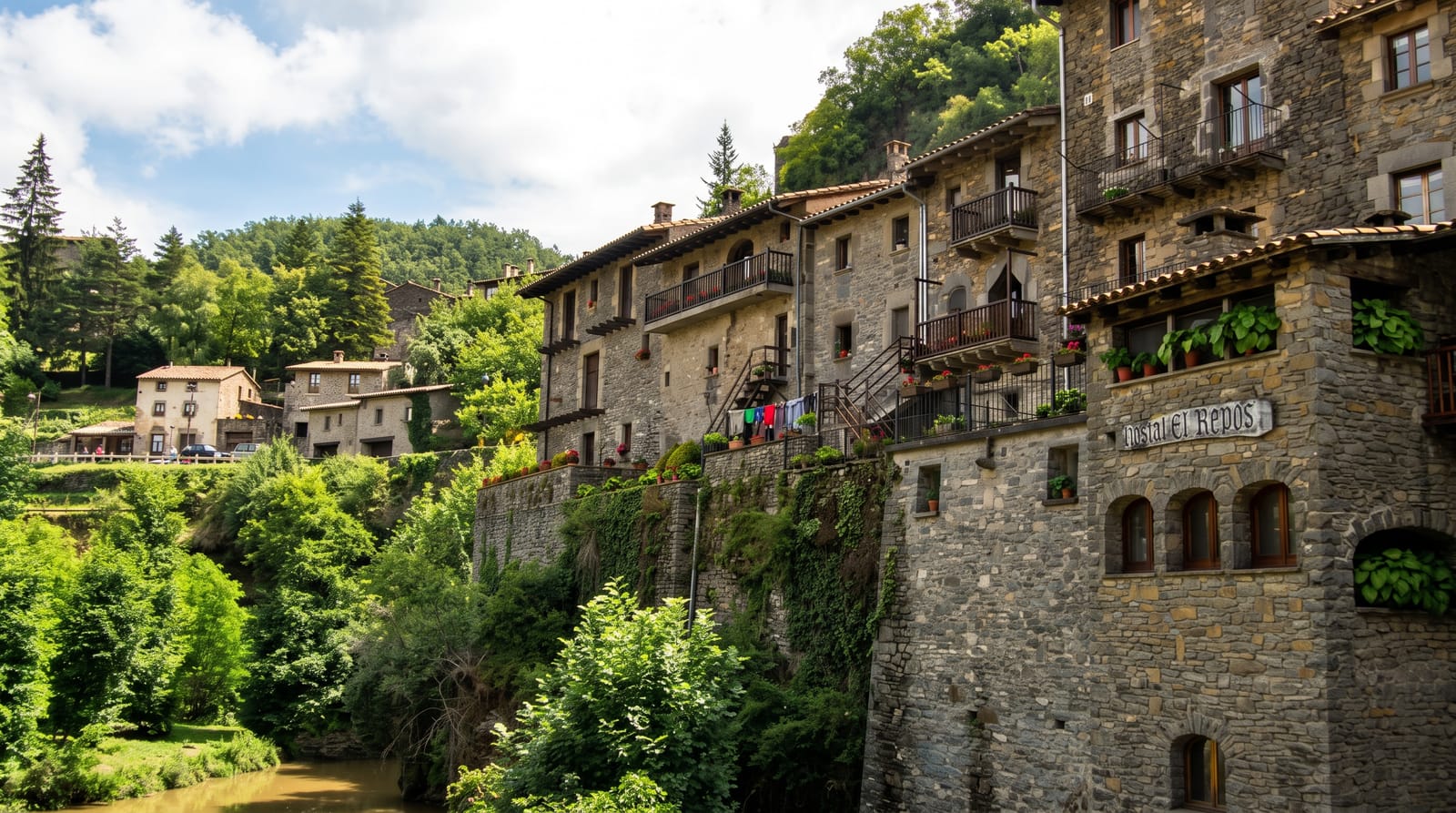
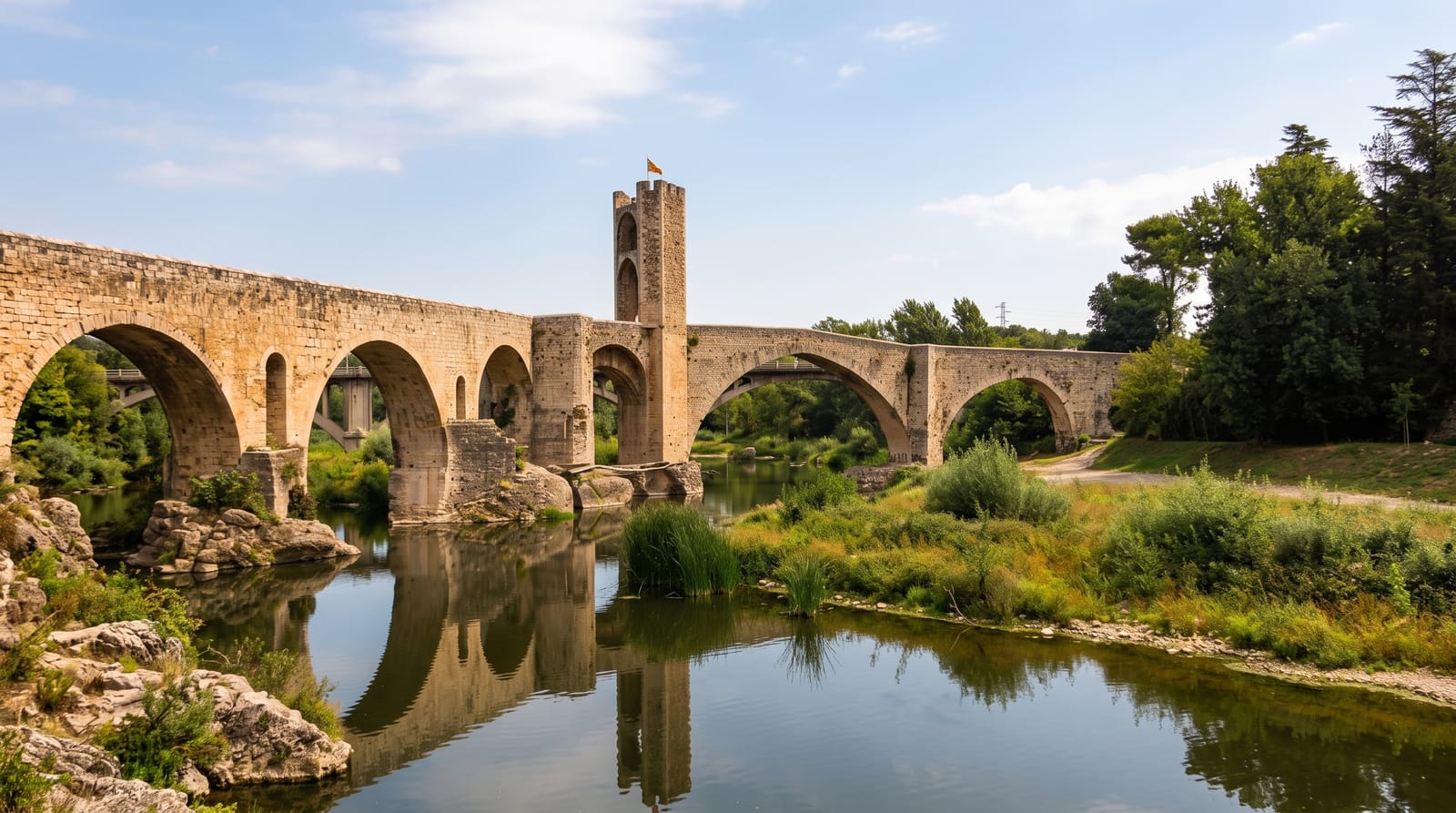
Besalu was the seat of a county before Catalonia consolidated, and the village kept its medieval shape: the approach is over a bridge of the eleventh and twelfth centuries that crosses the Fluvia in seven arches with a bend in the middle following the riverbed rock, fortified with a gate tower at the centre. Inside are the Romanesque churches of Sant Pere and Sant Vicenc, an arcaded square and stone lanes. Below the level of the streets, a mikveh, a Jewish ritual bath of the twelfth century, was rediscovered in 1964 and is one of only a handful surviving in Europe, reached by a stone stair down to the water table. A miniatures museum and the old hospital complete the visit.
Highlights
- The angled bridge - a fortified twelfth-century crossing with a bend.
- The mikveh - a rare medieval Jewish ritual bath below street level.
- Sant Pere and Sant Vicenc - Romanesque churches in the village.
- The arcaded square - a medieval market place at the centre.
When to go
April to June and September to November; the village holds a medieval festival in September. Summer weekends bring heavy day-trip traffic from the coast and Girona.
Practical notes
The village is small and can be walked in an hour. The mikveh is visited only with a guide from the tourist office at set times. Parking is outside the walls and fills at weekends.
Nearby
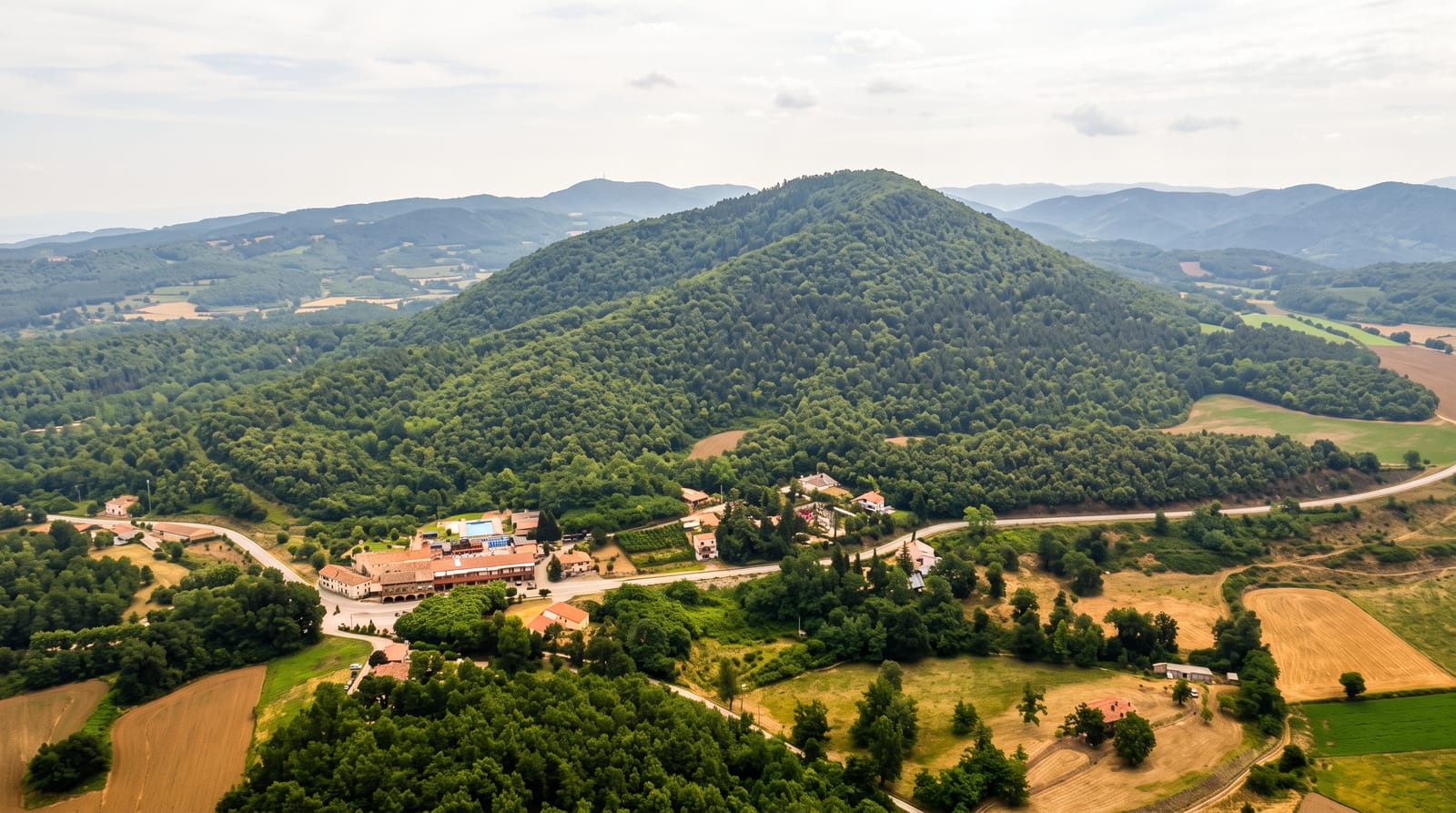
The Garrotxa volcanic zone and Olot lie west; Girona is thirty-four kilometres southeast.
Key facts
Source: Wikidata, item Q12586, read on 18 October 2026.
What to pack for Besalu
Chosen from what this place is for. Tap a kit for the full checklist.
- Comfortable walking shoes - Sightseeing means kilometres of pavement and cobbles daily. Find on Amazon
- A slim anti-theft daypack - Zips that close properly; keep it in front in crowds and on transit. Find on Amazon
- A refillable water bottle - Many cities have public fountains; save money and plastic. Find on Amazon
- A light layer + compact umbrella - For museum air-con and a sudden shower. Find on Amazon
Some links on this page are Amazon affiliate links - if you buy through them we may earn a small commission at no extra cost to you.
All packing kitsPlan your trip
Where to start if Besalu is going on the list.
Booking links on this page are affiliate links - if you book through them we may earn a small commission at no extra cost to you. It never changes what we write about a place.
Opening times, ticket prices and seasonal closures change - check the official source before you go: official site.