Korean Cuisine
A bold, healthy and communal cuisine - the fiery fermented kimchi, sizzling barbecue grilled at the table, colourful bibimbap and an endless array of shared side dishes.
Updated 25 August 2026
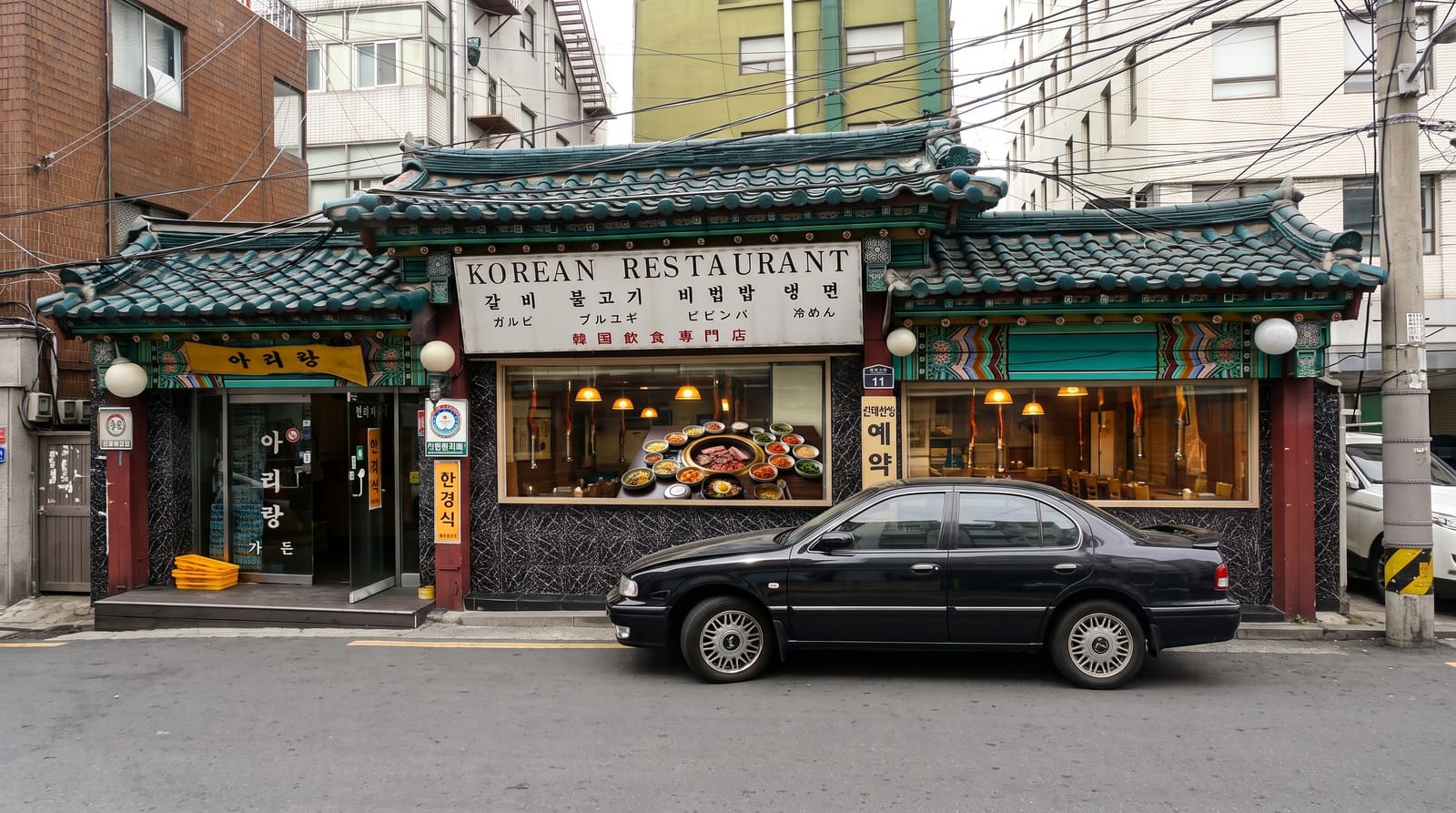
AI illustration
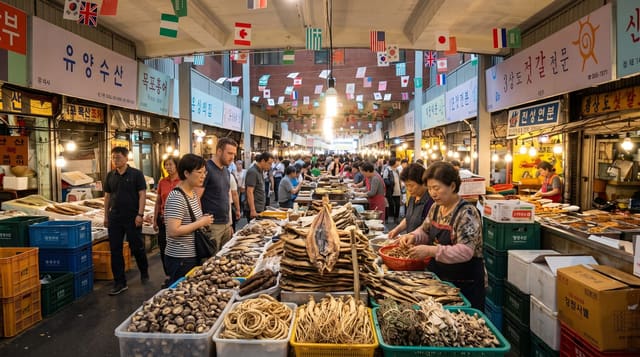
Korean cuisine is bold, healthy and deeply communal, built on rice, fermented flavours and an endless array of shared side dishes, or banchan. Its national icon is kimchi, the spicy fermented cabbage served at every meal, alongside Korean barbecue, where diners grill marinated meat at the table, the colourful mixed rice bowl bibimbap, hearty stews and pancakes. Eating is social, spicy and endlessly varied by region and season.
What to look for
- Kimchi - the spicy fermented cabbage served at every meal.
- Korean barbecue - the marinated meats grilled at the table.
- Bibimbap - the colourful mixed rice bowl.
- The banchan - the array of free shared side dishes.
When to go
Year-round; Korean barbecue is a lively, social meal best shared, and the bustling street-food markets are a highlight, especially in the evening. Regional specialities and seasonal dishes reward seeking out.
What to expect
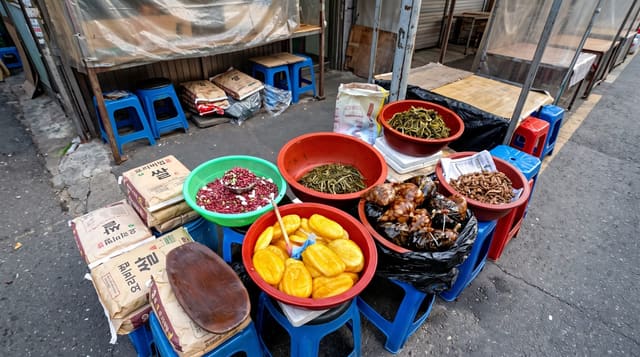
Korean food can be genuinely spicy, so pace yourself with the chilli. Meals are shared and social, and dining alone, though increasingly common, can feel awkward at barbecue houses geared to groups. Street food is excellent and cheap. The endless free side dishes are a delightful, generous feature of the cuisine.
Nearby
Seoul has everything; regions have specialities, from Jeonju's bibimbap to Busan's seafood.
What to pack for Korean Cuisine
Chosen from what this place is for. Tap a kit for the full checklist.
- A reusable bag or container - For market produce and cutting down on packaging. Find on Amazon
- Wet wipes + hand sanitiser - Street food and washbasins do not always go together. Find on Amazon
Some links on this page are Amazon affiliate links - if you buy through them we may earn a small commission at no extra cost to you.
All packing kitsPlan your trip
Where to start if Korean Cuisine is going on the list.
Booking links on this page are affiliate links - if you book through them we may earn a small commission at no extra cost to you. It never changes what we write about a place.
Opening times, ticket prices and seasonal closures change - check the official source before you go: official site.