Kimjang, the Kimchi Making
The late-autumn ritual of salting and seasoning a winter's worth of cabbage, done in groups and still practised across the country.
Updated 25 August 2026

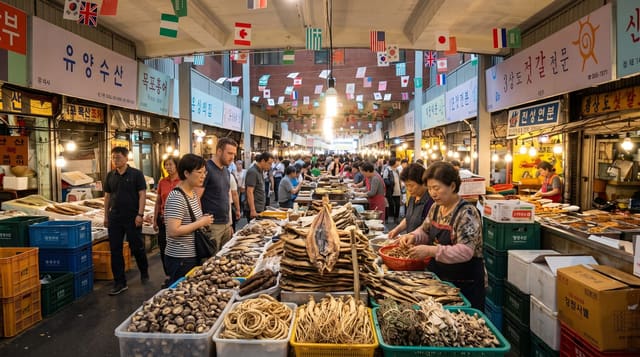
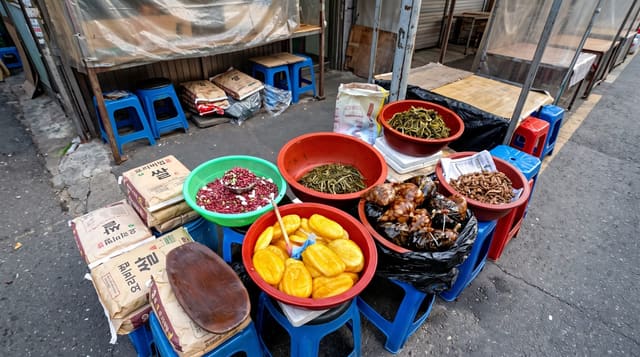
AI illustration
UNESCO Intangible Cultural Heritage
Kimjang is the November work of making enough kimchi to last until spring. Cabbages are split and left overnight in brine, rinsed, then packed leaf by leaf with a paste of chilli powder, garlic, ginger, spring onion, radish and fermented seafood, and stored in jars. It was done by neighbourhoods and extended families together, dozens of heads at a time, with the finished jars buried in the ground to hold a steady temperature; most households now own a dedicated kimchi refrigerator instead. The habit of doing it collectively survives, including public events where volunteers make thousands of heads for distribution. UNESCO lists the practice as intangible heritage.
The main sights
- Salted cabbage - split heads left overnight in brine before any seasoning.
- The paste - chilli powder, garlic, radish and fermented seafood mixed by hand.
- Onggi jars - the clay crocks kimchi ferments in, once buried in the yard.
- Group kimjang - rows of tables and hundreds of heads finished in an afternoon.
When to go
Kimjang happens once the weather turns cold and the cabbages are ready, which means late November into early December. Seoul holds a large public kimjang event around then and workshops take bookings. Outside the season, museums and cooking schools run year-round classes with much smaller quantities. Winter is also when the year's kimchi tastes best.
Practical notes
The real thing is hard physical work over several hours, cold, wet and heavy, while a workshop version gives you one head of cabbage and an apron. Chilli paste stains and the smell stays on your hands for a day. Fermented seafood in the paste means most kimchi is not vegetarian, whatever the menu claims. Taking jars home through customs is a problem.
Nearby
The kimchi museum in Insadong runs tastings and classes through the year.
What to pack for Kimjang, the Kimchi Making
Chosen from what this place is for. Tap a kit for the full checklist.
- A reusable bag or container - For market produce and cutting down on packaging. Find on Amazon
- Shelter suited to the place - Tent, tarp or hut booking - match it to the terrain and rules. Find on Amazon
- Wet wipes + hand sanitiser - Street food and washbasins do not always go together. Find on Amazon
- A warm sleeping bag + mat - Rated a little colder than you expect the nights to be. Find on Amazon
Some links on this page are Amazon affiliate links - if you buy through them we may earn a small commission at no extra cost to you.
All packing kitsPlan your trip
Where to start if Kimjang, the Kimchi Making is going on the list.
Booking links on this page are affiliate links - if you book through them we may earn a small commission at no extra cost to you. It never changes what we write about a place.
Opening times, ticket prices and seasonal closures change - check the official source before you go: official site.