Jeonju Hanok Village
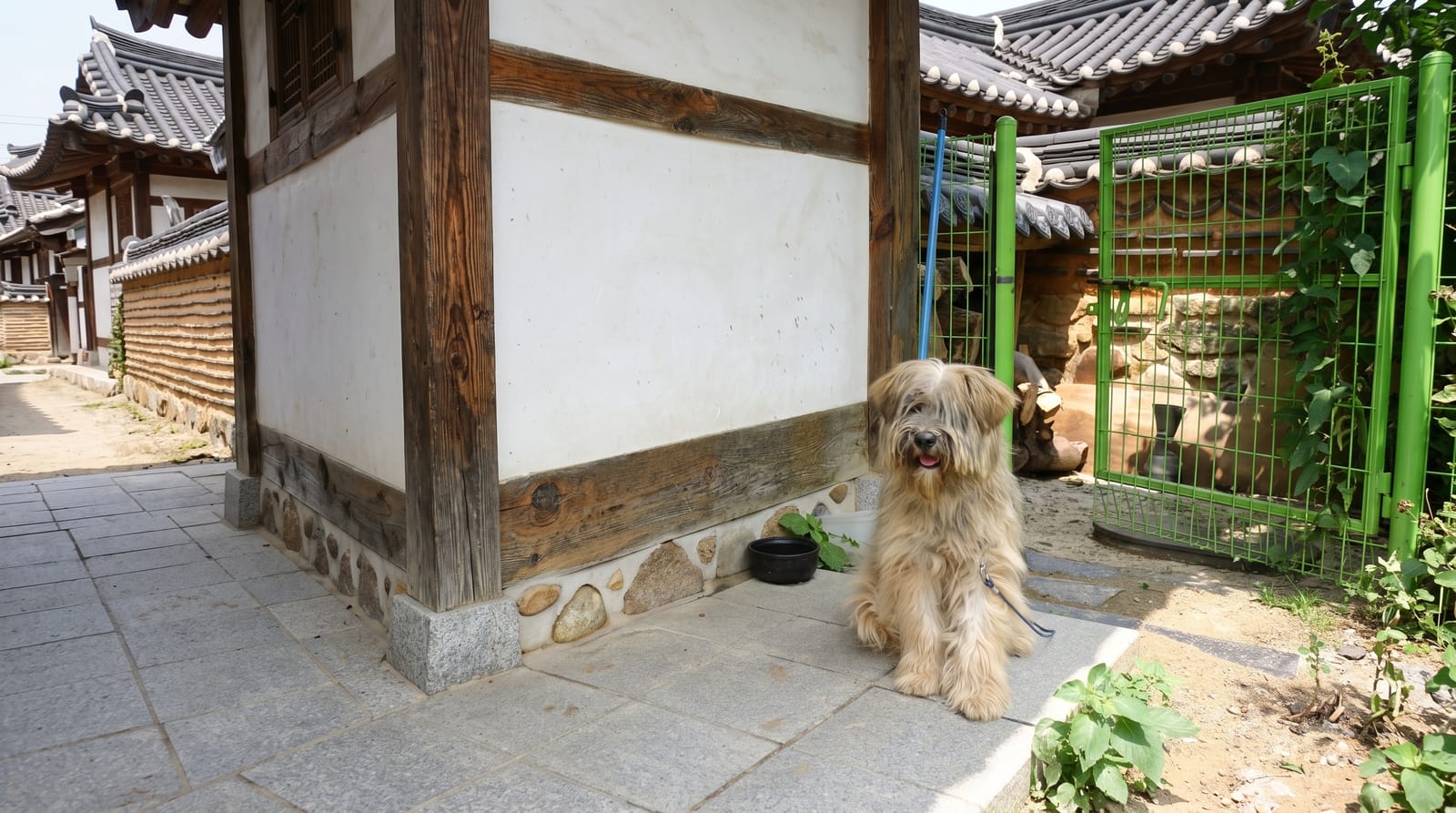
A large quarter of traditional tiled hanok houses in a city known as the home of Korean food, above all bibimbap, and of paper and rice wine.
Updated 25 August 2026
AI illustration
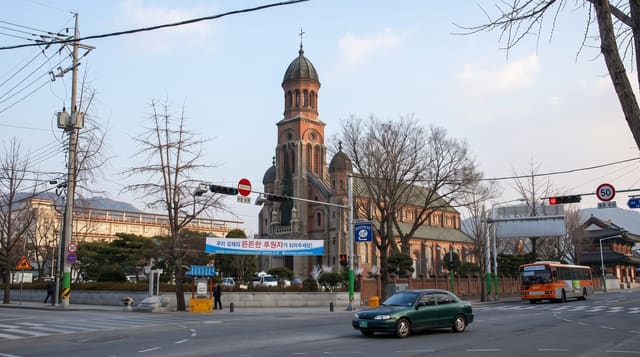
Jeonju was an important city of the Joseon dynasty, the ancestral home of its royal house, and today it is best known for two things: its food and its old town. At the city's heart lies one of the largest surviving clusters of hanok, traditional Korean houses with gracefully curved tiled roofs and heated ondol floors, hundreds of them packed into a walkable quarter of lanes now filled with tea houses, craft workshops, guesthouses and food stalls. Jeonju is widely regarded as the culinary capital of Korea, the acknowledged home of bibimbap, the bowl of rice, vegetables and egg that is one of the country's signature dishes, and of a lavish style of communal dining and of makgeolli, the cloudy rice wine. Visitors come to stay in a hanok, wander the lanes, often in rented traditional hanbok dress, sample the food, and see the shrine holding the founding king's portrait and the old Catholic cathedral nearby.
Highlights
- The hanok lanes - hundreds of traditional tiled houses in a walkable old quarter.
- Jeonju bibimbap - the city's famous version of the signature Korean rice dish.
- Staying in a hanok - overnighting in a traditional house with heated floors.
- Gyeonggijeon Shrine - the shrine holding the portrait of the dynasty's founding king.
When to go
Spring and autumn are the most comfortable and pretty; the village is lively year-round and especially on weekends, when day-trippers and hanbok-clad visitors fill the lanes. Weekdays are calmer. Evenings, when the lanes light up and the food stalls are busy, are atmospheric.
Practical notes
The old town has become very popular and commercialised: many of the hanok now house souvenir shops, street-food stalls and hanbok-rental outlets, and on busy weekends it can feel like a crowded food-and-photo destination rather than a quiet historic quarter. Staying overnight and visiting early or late catches it at its calmest. The food, genuinely excellent, is the highlight for most.
Nearby
The bamboo forest of Damyang and the mountains of Naejangsan, famous for autumn colour, are within reach; Seoul is a couple of hours north.
Key facts
Source: Wikidata, item Q11269655, read on 18 October 2026.
What to pack for Jeonju Hanok Village
Chosen from what this place is for. Tap a kit for the full checklist.
- Comfortable walking shoes - Sightseeing means kilometres of pavement and cobbles daily. Find on Amazon
- Modest clothing - Shoulders and knees covered - the single most common requirement. Find on Amazon
- Shelter suited to the place - Tent, tarp or hut booking - match it to the terrain and rules. Find on Amazon
- A slim anti-theft daypack - Zips that close properly; keep it in front in crowds and on transit. Find on Amazon
Some links on this page are Amazon affiliate links - if you buy through them we may earn a small commission at no extra cost to you.
All packing kitsPlan your trip
Where to start if Jeonju Hanok Village is going on the list.
Booking links on this page are affiliate links - if you book through them we may earn a small commission at no extra cost to you. It never changes what we write about a place.
Opening times, ticket prices and seasonal closures change - check the official source before you go: official site.