Hallim Park
A western Jeju garden built on barren lava sand from 1971, with two lava tube caves running under it.
Updated 14 October 2026
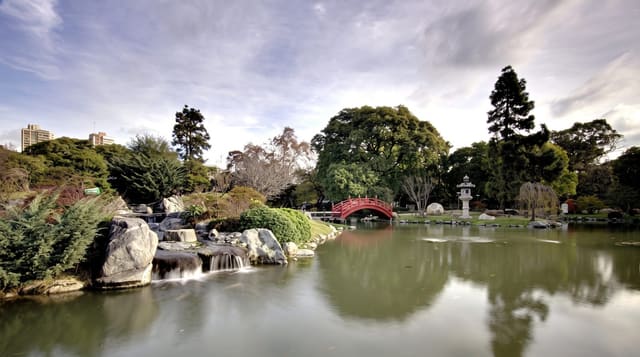
The ground here was bare lava sand when one man, Song Bong-gyu, began buying it in 1971 and hauling in soil to plant. Fifty years on it is a mature garden of about a hundred thousand square metres: an avenue of Washington palms that is the signature image, subtropical botanical gardens, a bonsai garden, a water garden, a folk village of relocated Jeju thatched houses, and beds of camellia and other flowers that carry the winter season when much of Jeju has little colour. Running beneath the park are Hyeopjaegul and Ssangyonggul, two lava tube caves formed by the Hallasan eruptions and unusual in that limestone formations have grown inside them from shell sand blown in from the coast - a combination of volcanic and calcareous features that is rare anywhere. Both are walkable within the ticket. Hyeopjae beach is a short distance away.
The main sights
- The palm avenue - the Washington palms the park is known for.
- Hyeopjaegul and Ssangyonggul - lava tubes with limestone growth inside.
- The winter camellias - colour in the months when Jeju has little.
- The folk village - relocated Jeju thatched houses in the grounds.
When to go
November to March for the camellias, April to June for the gardens generally. It is large and open - summer midday is hot. Rarely uncomfortably crowded.
Things to know
Ticketed and not cheap. It is a made garden, not natural Jeju landscape. The caves are short and low in places. Coach groups pass through in waves.
Nearby
Hyeopjae beach and Geumneung beach are close; the Jeju west coast road runs past.
Key facts
Source: Wikidata, item Q27340793, read on 18 October 2026.
What to pack for Hallim Park
Chosen from what this place is for. Tap a kit for the full checklist.
- Head torch + spare batteries - Hands-free light is essential; caves are truly dark. Find on Amazon
- Comfortable walking shoes - Sightseeing means kilometres of pavement and cobbles daily. Find on Amazon
- Grippy closed shoes - Cave floors are wet, muddy and slick with formations. Find on Amazon
- A slim anti-theft daypack - Zips that close properly; keep it in front in crowds and on transit. Find on Amazon
Some links on this page are Amazon affiliate links - if you buy through them we may earn a small commission at no extra cost to you.
All packing kitsPlan your trip
Where to start if Hallim Park is going on the list.
Booking links on this page are affiliate links - if you book through them we may earn a small commission at no extra cost to you. It never changes what we write about a place.
Opening times, ticket prices and seasonal closures change - check the official source before you go: official site.