Buyeo National Museum
The Baekje museum at the old capital, holding the gilt-bronze incense burner found in a temple pit.
Updated 25 August 2026
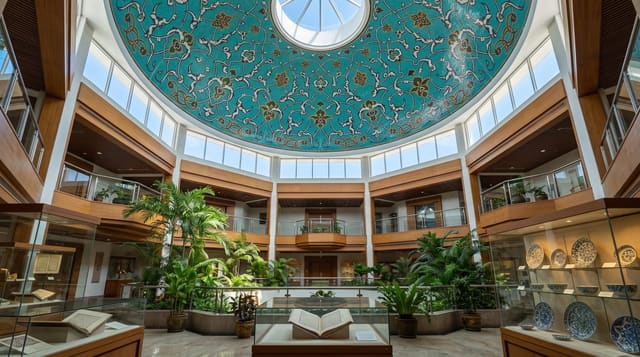
Buyeo was Sabi, the last Baekje capital, and this is where the finds from it are kept. One object dominates: the gilt-bronze incense burner, recovered in 1993 from a waterlogged pit at the Neungsan-ri temple site, which had preserved it almost intact. It stands about sixty centimetres - a dragon rearing to hold a lotus bowl, a lid of stacked mountain peaks with musicians, animals and figures worked among them, and a phoenix at the summit. It is a National Treasure and is generally taken as the single finest surviving object of Baekje craftsmanship, evidence of a court working at a level the sparse written record does not convey. The rest of the museum covers the region from prehistory through Baekje: roof tiles with landscape designs, Buddhist sculpture, stone reliefs and the material from the Sabi palace excavations. Entry is free, and it is the sensible first stop in Buyeo before the fortress hill.
What to look for
- The gilt-bronze incense burner - the dragon, the mountain lid, the phoenix.
- The patterned roof tiles - Baekje landscape designs in clay.
- The Buddhist sculpture - stone and bronze from the region.
- The Sabi palace material - finds from the capital excavations.
When to go
Any season. Closed Mondays. Go before walking Busosanseong - the fortress means much more afterwards.
Things to know
Free, and compact - two hours covers it. One object carries the visit, and the rest is quieter than the national museum in Seoul. English labelling is decent but not exhaustive.
Nearby
Busosanseong, Nakhwaam and Gungnamji pond are all in the town.
Key facts
Source: Wikidata, item Q626550, read on 18 October 2026.
What to pack for Buyeo National Museum
Chosen from what this place is for. Tap a kit for the full checklist.
- Comfortable walking shoes - Sightseeing means kilometres of pavement and cobbles daily. Find on Amazon
- Modest clothing - Shoulders and knees covered - the single most common requirement. Find on Amazon
- A slim anti-theft daypack - Zips that close properly; keep it in front in crowds and on transit. Find on Amazon
- A scarf or shawl - To cover the head or shoulders on entry; women especially at mosques. Find on Amazon
Some links on this page are Amazon affiliate links - if you buy through them we may earn a small commission at no extra cost to you.
All packing kitsPlan your trip
Where to start if Buyeo National Museum is going on the list.
Booking links on this page are affiliate links - if you book through them we may earn a small commission at no extra cost to you. It never changes what we write about a place.
Opening times, ticket prices and seasonal closures change - check the official source before you go: official site.