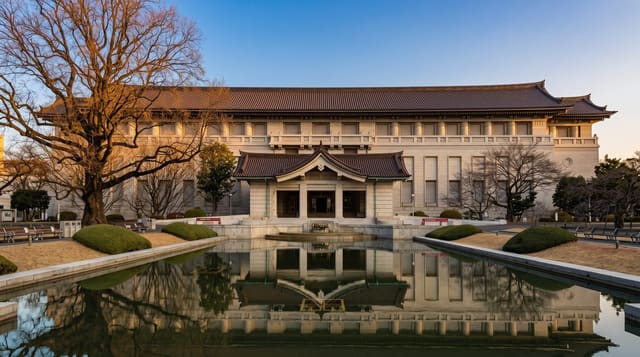
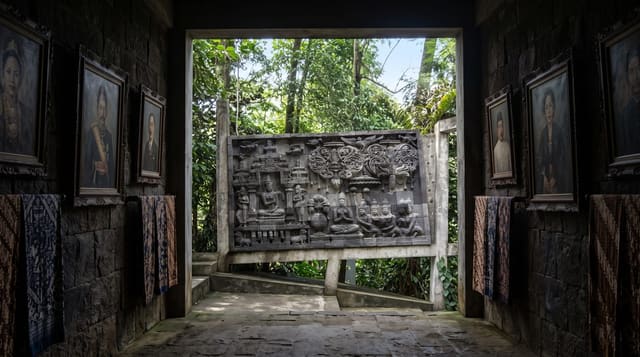
Hunan Museum
Home of the Mawangdui tombs, including a body preserved so completely after two millennia that its skin still yields.
Updated 19 October 2026
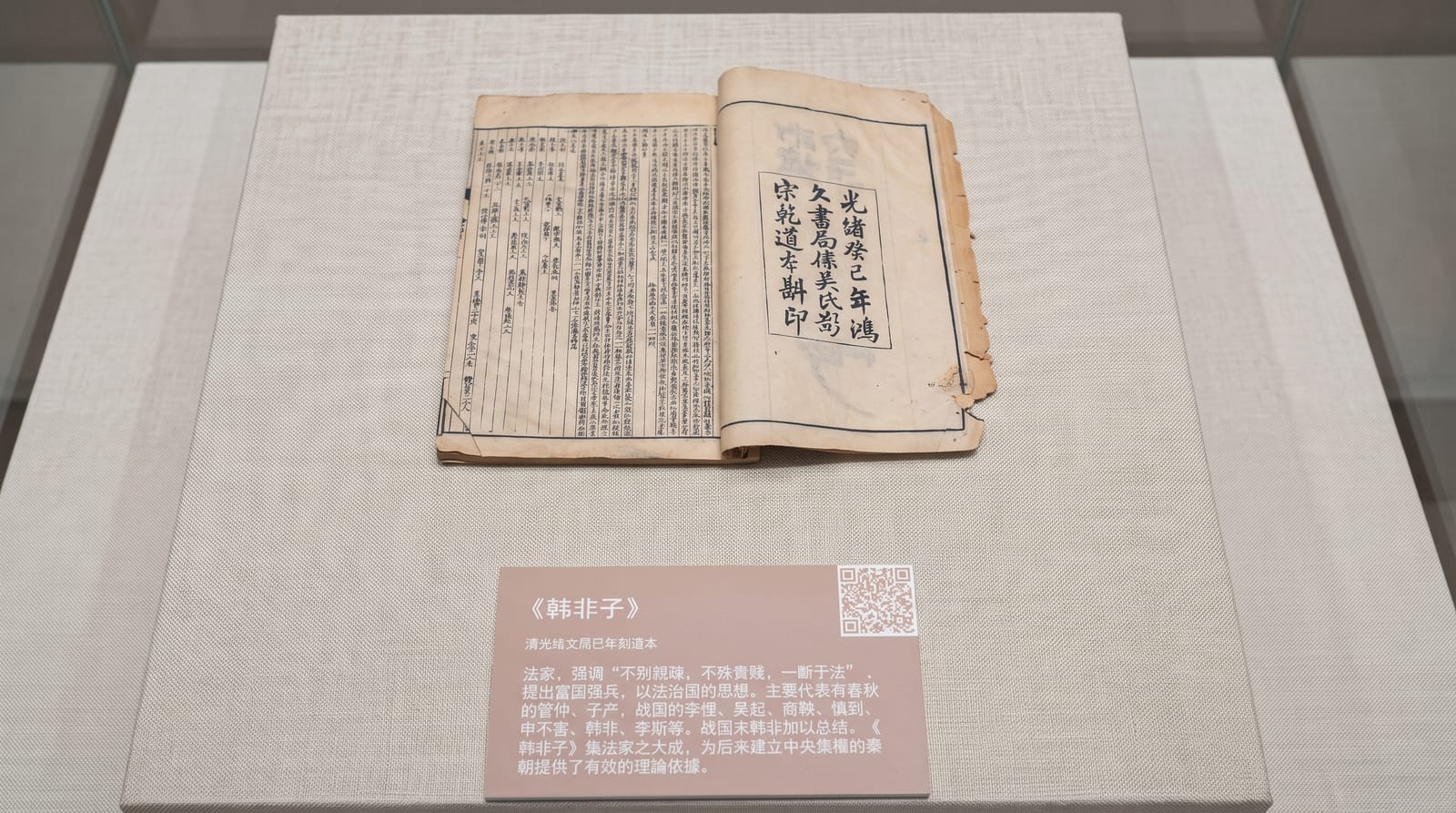
AI illustration
The Mawangdui tombs, sealed around 168 BC and excavated in the 1970s outside Changsha, produced one of the most extraordinary archaeological finds of the twentieth century: the body of Lady Dai, a noblewoman preserved by a sealed multi-layered tomb and a fluid bath so completely that her limbs were flexible, her organs intact and her blood type identifiable when found. With her came painted silk banners, lacquerware, silk manuscripts including versions of the Daodejing older than any then known, and a gauze robe weighing under fifty grams. The museum, rebuilt and reopened in 2017, displays the tomb reconstruction, the body and the finds across several floors.
History
The Hunan Museum was built in 1951 and opened in July 1956, and its collection of more than 180,000 objects includes the finds from the Mawangdui tombs of the Marquis of Dai and his wife, Xin Zhui. It closed on 18 June 2012 for rebuilding to a design by the China Central Academy of Fine Arts with the Japanese architect Arata Isozaki, and reopened on 29 November 2017 (Wikipedia, Hunan Museum).
The main sights
- Lady Dai - the exceptionally preserved body from the Mawangdui tomb.
- The painted silk banner - the funerary banner showing heaven, earth and underworld.
- The silk manuscripts - early texts including versions of the Daodejing.
- The gauze robe - a silk garment weighing under fifty grams.
When to go
Year-round; the museum closes on Mondays. Free entry requires advance online booking and slots go quickly at weekends. The body is displayed in a low-lit chamber that queues form for.
Practical notes
Booking is compulsory and difficult without a Chinese app. Viewing the preserved body upsets some visitors and is not suitable for everyone. English labelling is partial and the museum is large.
Nearby
Yuelu Academy lies across the river; Orange Isle is in the Xiang.
Key facts
Source: Wikidata, item Q5942029, read on 18 October 2026.
What to pack for Hunan Museum
Chosen from what this place is for. Tap a kit for the full checklist.
- Comfortable walking shoes - Sightseeing means kilometres of pavement and cobbles daily. Find on Amazon
- A slim anti-theft daypack - Zips that close properly; keep it in front in crowds and on transit. Find on Amazon
- A refillable water bottle - Many cities have public fountains; save money and plastic. Find on Amazon
- A light layer + compact umbrella - For museum air-con and a sudden shower. Find on Amazon
Some links on this page are Amazon affiliate links - if you buy through them we may earn a small commission at no extra cost to you.
All packing kitsPlan your trip
Where to start if Hunan Museum is going on the list.
Booking links on this page are affiliate links - if you book through them we may earn a small commission at no extra cost to you. It never changes what we write about a place.
Opening times, ticket prices and seasonal closures change - check the official source before you go: official site.