Nahoon Point
A surf headland where a fossil footprint about 124,000 years old was found in the dune rock.
Updated 29 August 2026
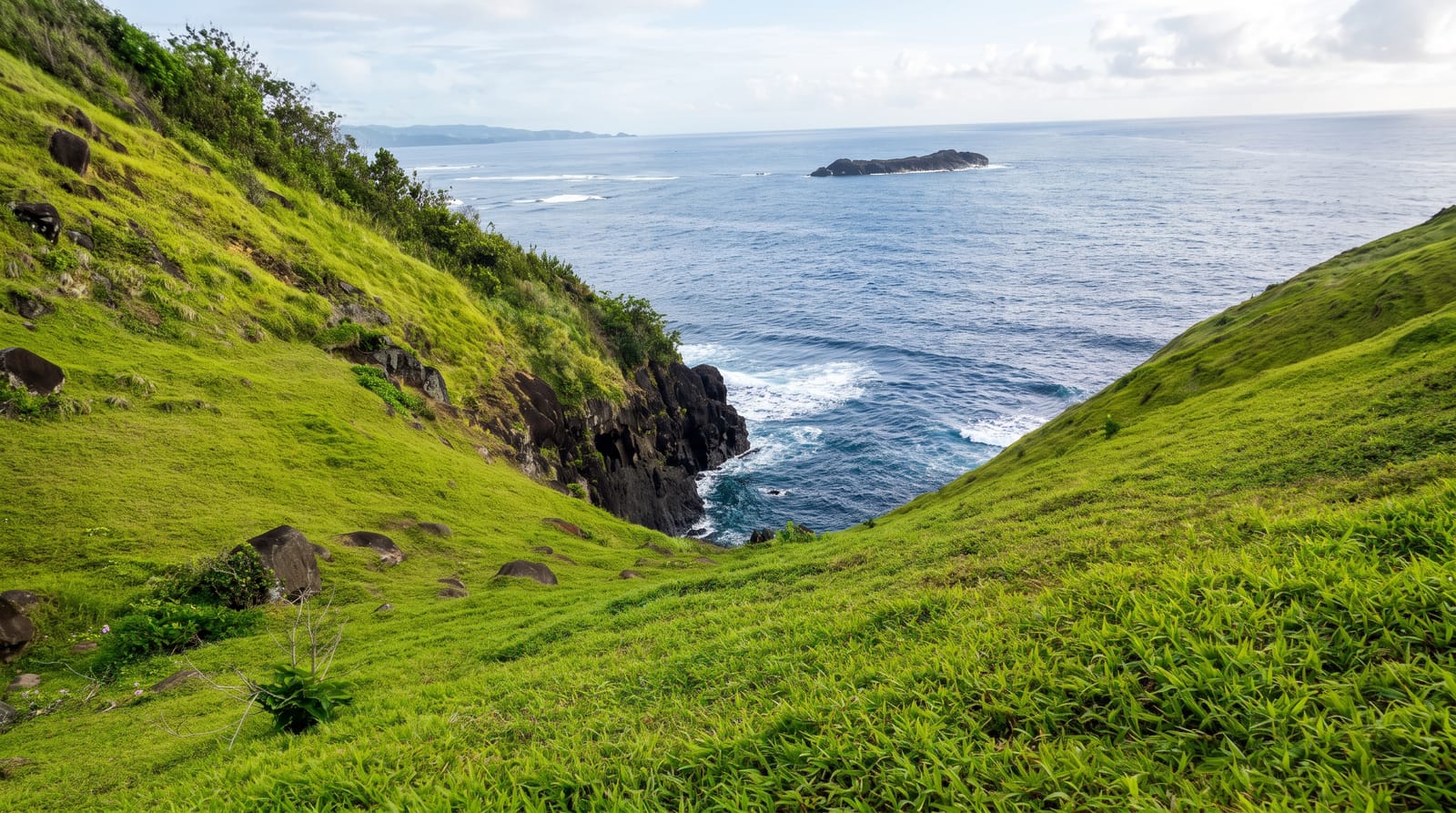
In 1964 a schoolboy found a set of hominin footprints preserved in aeolianite - cemented dune sand - on the rocks at Nahoon, and dating has put them at roughly 124,000 years old, which made them at the time among the oldest known footprints of anatomically modern humans anywhere. The original slab was removed for conservation and is held in the East London Museum; a cast and interpretation are at the Nahoon Point reserve centre. The same museum holds the coelacanth caught off this coast in 1938, the specimen that overturned the belief that the fish had been extinct for millions of years. The point itself is a working surf break, one of the better ones on this coast, with a reef and a beach either side, and the reserve protects a stretch of dune and coastal bush behind it.
What you'll find
- The 124,000-year footprints - found in cemented dune rock by a schoolboy in 1964.
- The cast and centre - interpretation at the point, with the original slab in the museum.
- The coelacanth link - the same museum holds the 1938 fish that was thought extinct.
- The surf break - a reef point that is among the best on this coast.
When to go
All year. Two hours. Check the centre's opening hours before going.
Before you go
The original footprint slab is not here - it is in the East London Museum. The interpretive centre has had funding gaps and irregular hours. The rocks are slippery and the surf is strong. Ordinary city precautions apply.
Nearby
East London Museum holds the original slab and the coelacanth; the beachfront is south.
What to pack for Nahoon Point
Chosen from what this place is for. Tap a kit for the full checklist.
- Quick-dry clothing - Board shorts or synthetics that shrug off spray and dry fast. Find on Amazon
- Loose, light, long clothing - Covering up beats bare skin in the desert - and locals dress this way for a reason. Find on Amazon
- Comfortable walking shoes - Sightseeing means kilometres of pavement and cobbles daily. Find on Amazon
- Secure water shoes or reef boots - Grip on slippery launches and protection on rocky shores. Find on Amazon
Some links on this page are Amazon affiliate links - if you buy through them we may earn a small commission at no extra cost to you.
All packing kitsPlan your trip
Where to start if Nahoon Point is going on the list.
Booking links on this page are affiliate links - if you book through them we may earn a small commission at no extra cost to you. It never changes what we write about a place.
Opening times, ticket prices and seasonal closures change - check the official source before you go: official site.