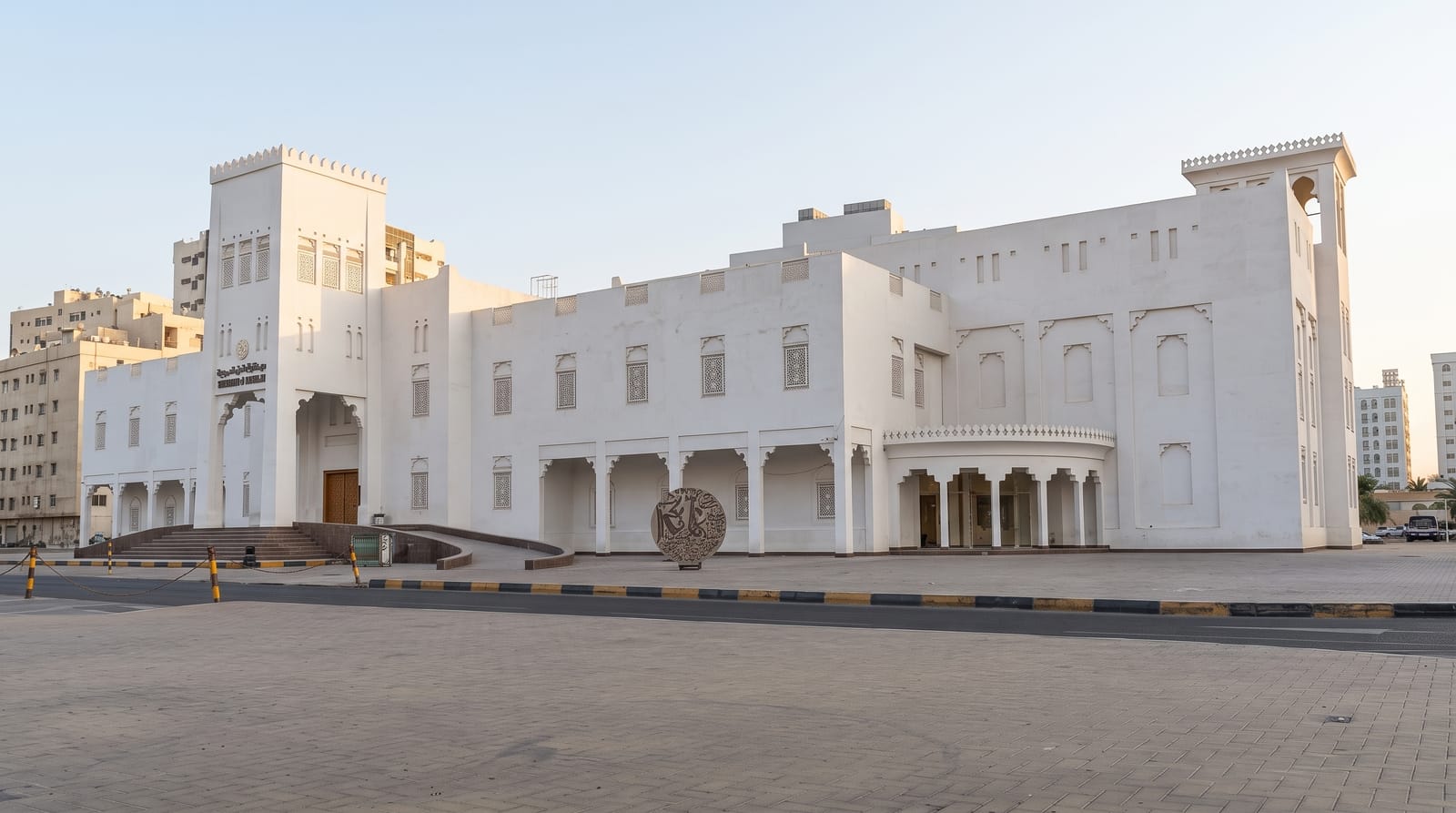
East London Museum
A small city museum holding the coelacanth that overturned a scientific certainty, and the Nahoon footprints.
Updated 21 October 2026
In December 1938 Marjorie Courtenay-Latimer, the young curator of this museum, went to look at a trawler's catch on the East London docks and found a large blue fish she did not recognise. She sketched it, could not preserve the soft parts, and sent the drawing to the ichthyologist J.L.B. Smith, who identified it as a coelacanth - a fish known only from fossils and believed extinct for around sixty-five million years. That specimen is here, and it is the museum's reason to exist in the wider world. The collection also holds the original slab of the Nahoon footprints, hominin tracks about 124,000 years old found on the coast nearby, and a dodo egg whose authenticity has been debated for decades. Founded in 1921, it also shows southern Nguni beadwork, a maritime gallery and a working beehive. It is a modest municipal museum with two or three genuinely significant objects in it, which is a better ratio than most.
Highlights
- The 1938 coelacanth - the specimen that proved a fish thought extinct for millions of years was not.
- The Latimer story - a young curator who recognised something odd and sketched it.
- The Nahoon footprints - the original slab, about 124,000 years old.
- The dodo egg - a contested specimen whose authenticity has been argued over for decades.
When to go
All year. Two hours. Weekday mornings; hours are shorter at weekends.
Good to know
It is a small municipal museum and parts of it are dated. The coelacanth is one case among many - do not expect a dedicated hall. Funding constraints show in places.
Nearby
Nahoon Point and its reserve are north-east; the beachfront is close.
Key facts
Source: Wikidata, item Q1277935, read on 18 October 2026.
What to pack for East London Museum
Chosen from what this place is for. Tap a kit for the full checklist.
- Comfortable walking shoes - Sightseeing means kilometres of pavement and cobbles daily. Find on Amazon
- A slim anti-theft daypack - Zips that close properly; keep it in front in crowds and on transit. Find on Amazon
- A refillable water bottle - Many cities have public fountains; save money and plastic. Find on Amazon
- A light layer + compact umbrella - For museum air-con and a sudden shower. Find on Amazon
Some links on this page are Amazon affiliate links - if you buy through them we may earn a small commission at no extra cost to you.
All packing kitsPlan your trip
Where to start if East London Museum is going on the list.
Booking links on this page are affiliate links - if you book through them we may earn a small commission at no extra cost to you. It never changes what we write about a place.
Opening times, ticket prices and seasonal closures change - check the official source before you go: official site.