Serbian Cuisine
Hearty, generous Balkan feasting - a meat-lover's cuisine of grilled cevapi and mixed grills, rich stews and stuffed peppers, washed down with rakia, at the heart of Serbia's warm hospitality.
Updated 31 August 2026
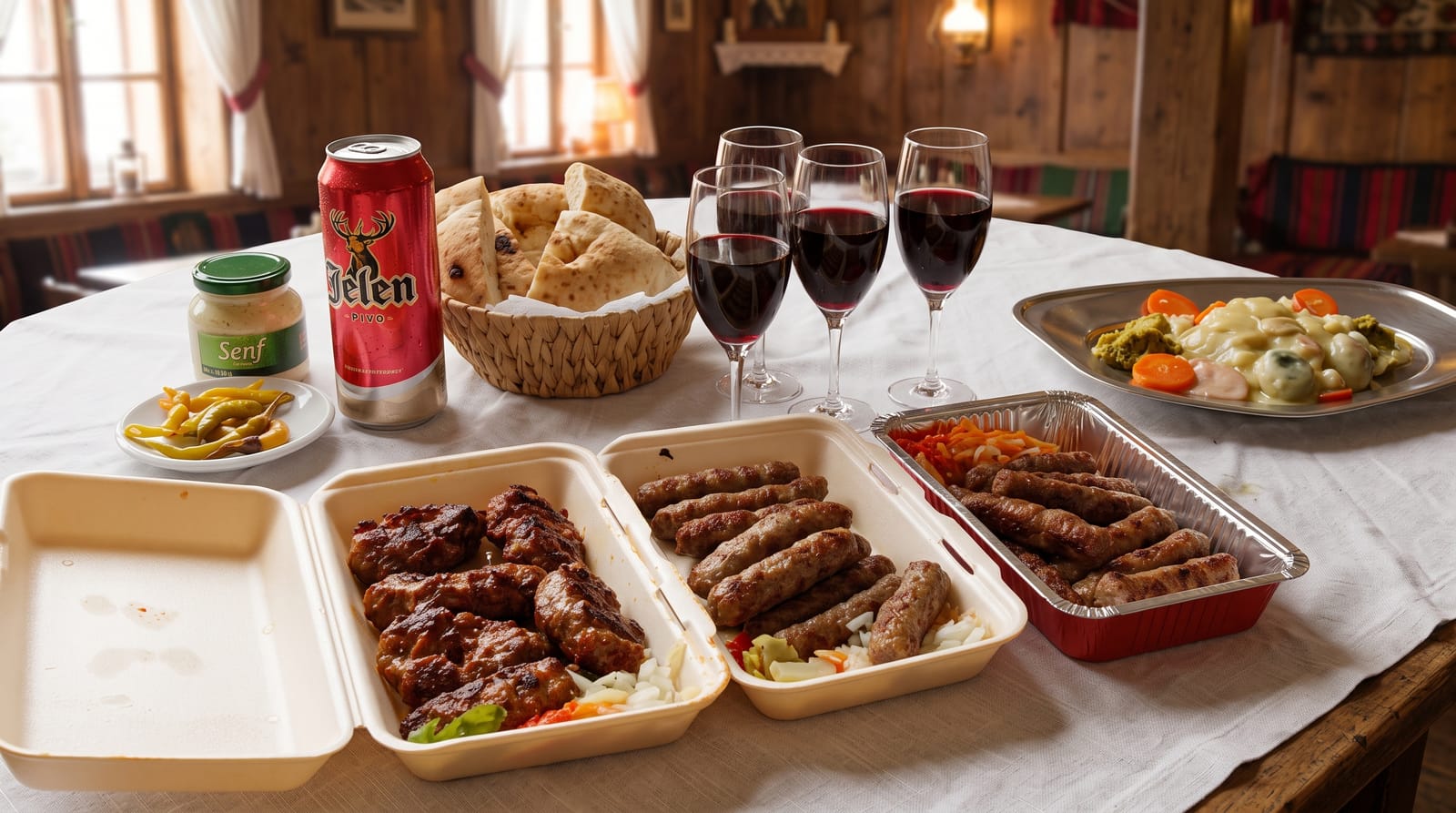
AI illustration
Serbian cuisine is hearty, generous and unabashedly meat-loving, a Balkan feast shaped by Ottoman, Hungarian and Mediterranean influences and served with warm, abundant hospitality. Its stars are the grilled meats: cevapi, little skinless sausages, pljeskavica, a spiced meat patty, and the vast mixed grill. Alongside come rich stews, stuffed peppers and cabbage, the roasted pepper relish ajvar, hearty bean dishes, and the ever-present fruit brandy rakia, all best enjoyed in a lively kafana tavern.
What to look for
- Cevapi - the grilled skinless minced-meat sausages.
- Pljeskavica - the large spiced grilled meat patty.
- Ajvar and the mezze - the roasted pepper relish and starters.
- Rakia and the kafana - the fruit brandy and the lively tavern.
When to go
Year-round; a lively kafana tavern, often with live music, is the place for a long, convivial meal, and the grilled meats are best from a busy grill. The rakia is the traditional welcome, and hospitality is famously generous, so come hungry.
What to expect
Serbian food is very meat-heavy and hearty, a real challenge for vegetarians, though the salads, ajvar, cheeses and bean dishes offer some options. Portions are enormous and the hospitality relentless. The rakia is potent. It is honest, generous, good-value comfort food rather than refined cuisine, best enjoyed in the sociable atmosphere of a kafana.
Nearby
Every region has its specialities; the kafanas of Belgrade are the classic setting.
What to pack for Serbian Cuisine
Chosen from what this place is for. Tap a kit for the full checklist.
- A reusable bag or container - For market produce and cutting down on packaging. Find on Amazon
- Wet wipes + hand sanitiser - Street food and washbasins do not always go together. Find on Amazon
Some links on this page are Amazon affiliate links - if you buy through them we may earn a small commission at no extra cost to you.
All packing kitsPlan your trip
Where to start if Serbian Cuisine is going on the list.
Booking links on this page are affiliate links - if you book through them we may earn a small commission at no extra cost to you. It never changes what we write about a place.
Opening times, ticket prices and seasonal closures change - check the official source before you go: official site.


