Zemun
A Habsburg-era Danube town absorbed into Belgrade, with low streets, a fish quay and a tower on the hill above.
Updated 22 October 2026
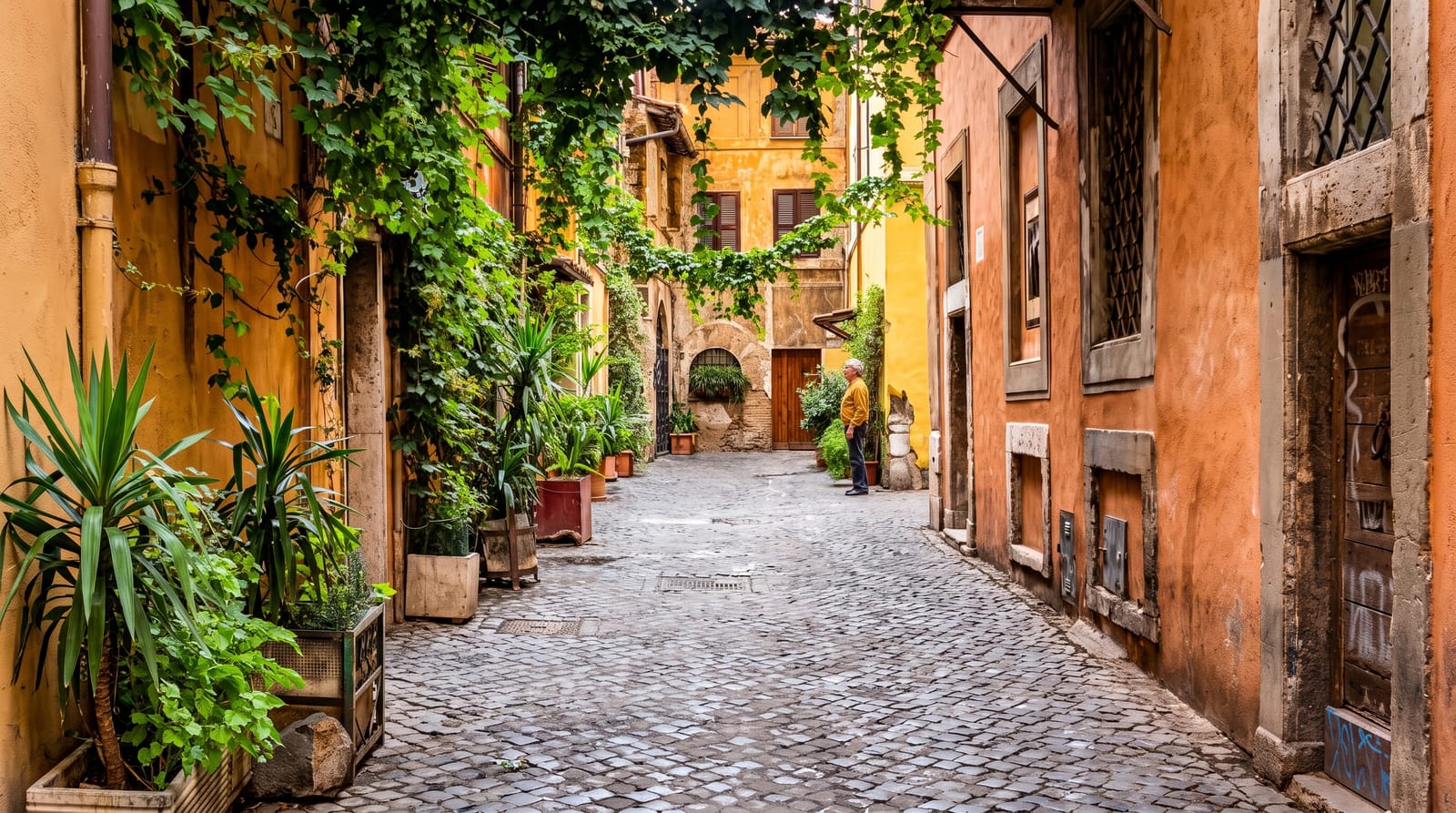
Zemun stood on the Habsburg side of the Danube frontier while Belgrade stood on the Ottoman side, and it grew as a separate town with central European architecture, a different street pattern and its own character, which it has kept despite being absorbed into the city in the twentieth century. The Gardoš hill above the old centre carries a millennium tower built in 1896, and the climb to it through steep lanes of low houses is the walk everyone does, with a view over the river and the city from the top. Below, the quay along the Danube is lined with fish restaurants and floating raft bars, and the old market square still functions. It feels distinctly unlike central Belgrade, which is the reason to go.
History
People have lived here since the Neolithic, and the Celtic Scordisci founded Taurunum in the 3rd century BC. The town passed to the Habsburgs in 1717, prospered as a border town at an important road crossing, and was absorbed into Belgrade in 1934 (Wikipedia, Zemun).
What you'll find
- Gardoš tower - the 1896 lookout on the hill above the old town.
- Low Habsburg streets - single-storey houses and central European facades.
- The Danube quay - fish restaurants and floating bars along the water.
- The old market - the working square in the centre.
When to go
April to October, and especially early evening when the quay fills. Sunset from Gardoš is the classic moment. Winter is quiet and the riverside rafts mostly close.
Practical notes
The climb to the tower is steep on uneven cobbles. Restaurants on the quay are aimed at visitors and priced accordingly, with quality varying widely. The area is a normal residential quarter, not a preserved old town, so upkeep is uneven. Getting there from central Belgrade takes half an hour by bus.
Nearby
Central Belgrade lies southeast; the Danube runs past the quay.
Key facts
Source: Wikidata, item Q189419, read on 18 October 2026.
What to pack for Zemun
Chosen from what this place is for. Tap a kit for the full checklist.
- Comfortable walking shoes - Sightseeing means kilometres of pavement and cobbles daily. Find on Amazon
- A slim anti-theft daypack - Zips that close properly; keep it in front in crowds and on transit. Find on Amazon
- A refillable water bottle - Many cities have public fountains; save money and plastic. Find on Amazon
- A light layer + compact umbrella - For museum air-con and a sudden shower. Find on Amazon
Some links on this page are Amazon affiliate links - if you buy through them we may earn a small commission at no extra cost to you.
All packing kitsPlan your trip
Where to start if Zemun is going on the list.
Booking links on this page are affiliate links - if you book through them we may earn a small commission at no extra cost to you. It never changes what we write about a place.
Opening times, ticket prices and seasonal closures change - check the official source before you go: official site.