Carabane Island
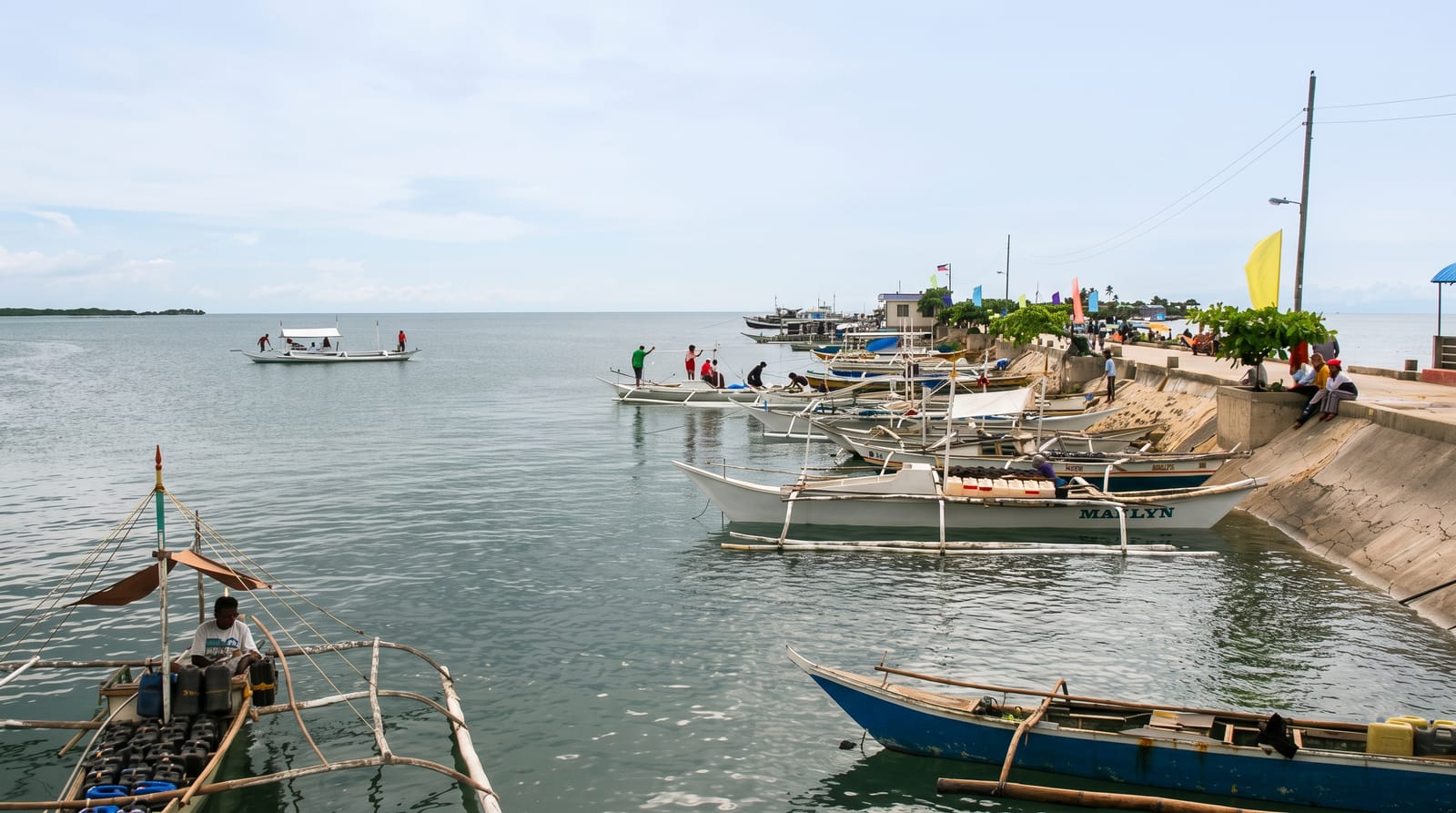
A small island at the mouth of the Casamance river that was the first French post in the region, now half-abandoned and reached only by boat.
Updated 1 September 2026
Carabane sits at the mouth of the Casamance river and was the first French establishment in the region, occupied from 1836 and briefly the administrative centre before Ziguinchor took over. What remains is a village of a few hundred people among the ruins of that period: a Breton-style brick church now roofless and used as a hall, a colonial trading house, a cemetery with a grave set upright, and mango and silk-cotton trees growing through the rest. There are no cars.
The main sights
- The old church - a nineteenth-century brick church, roofless and now used as a meeting space.
- The trading house - the surviving colonial building, part of it operating as a campement.
- The cemetery - including the well-known upright grave of a French officer.
- The car-free village - sand lanes under mango and silk-cotton trees.
When to go
November to May is the dry season and calmest for the crossing. The rains from June are heavy. Boats from Elinkine run to no fixed timetable and stop early in the day.
Things to know
Carabane is on Senegal's tentative list for World Heritage but is NOT inscribed, and is sometimes described as though it were. Access is by pirogue only and the last boat back leaves early. Accommodation is a couple of campements and power is limited.
Nearby
Elinkine is the mainland landing, Oussouye is inland, and Cap Skirring is southwest.
What to pack for Carabane Island
Chosen from what this place is for. Tap a kit for the full checklist.
- Reef-safe sunscreen - High SPF that will not bleach the coral you are swimming over. Find on Amazon
- Quick-dry towel - A microfibre towel packs small and dries in minutes. Find on Amazon
- Water shoes - Protect your feet on rocky entries, hot sand and sea-urchin spines. Find on Amazon
- Dry bag - Keeps phone, cash and keys safe while you are in the water. Find on Amazon
Some links on this page are Amazon affiliate links - if you buy through them we may earn a small commission at no extra cost to you.
All packing kitsPlan your trip
Where to start if Carabane Island is going on the list.
Booking links on this page are affiliate links - if you book through them we may earn a small commission at no extra cost to you. It never changes what we write about a place.
Opening times, ticket prices and seasonal closures change - check the official source before you go: official site.