Lake Khanka
A vast shallow lake shared with China, with lotus fields in summer and one of the most important bird sites in East Asia.
Updated 22 October 2026
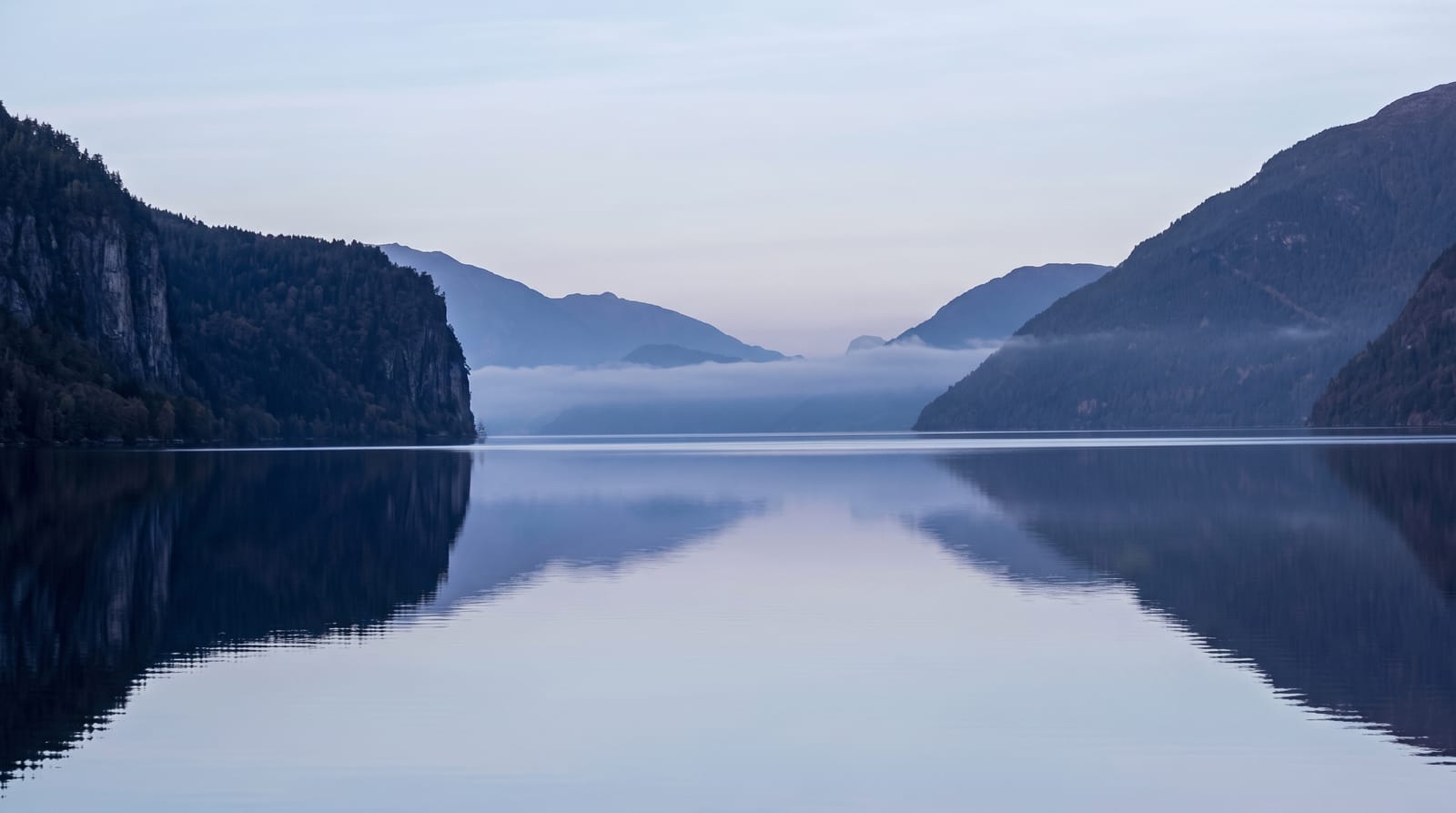
Khanka covers around four thousand square kilometres on the plain of western Primorye, shared with China where it is called Xingkai, and it is very shallow - averaging four or five metres - which makes it warm, turbid and enormously productive. That productivity is why it matters: the marshes, reedbeds and wet meadows around it are among the most important bird habitats in East Asia, on the flyway between Siberia and south-east Asia, holding red-crowned and white-naped cranes, oriental storks, swan geese and hundreds of other species on passage and breeding. It is a Ramsar site and a transboundary reserve with the Chinese side. In July and August the sacred lotus flowers in the shallow bays and channels, in stands large enough to be a local event. Wind gets up fast on water this shallow and the lake becomes rough and muddy within minutes.
History
The lake appears on the Delisle map of 1706 as Himgon, on Johann Matthias Hase's map of 1739 as Lake Hinka and on d'Anville's map of 1752 as Hink, and the map attached to the Convention of Peking in 1860 shows it as Lake Khankai. The explorer Vladimir Arsenyev noted that under the Liao dynasty it was called Beitsin-hai (Wikipedia, Lake Khanka).
What you'll find
- The bird passage - cranes, storks and geese on the Siberia to south-east Asia flyway.
- The lotus - stands flowering in the shallow bays through July and August.
- The shallowness - a lake of four thousand square kilometres averaging a few metres deep.
- The transboundary reserve - protection shared with the Chinese side.
When to go
July and August for lotus; April to May and September for the largest bird movements. A day or an overnight.
Before you go
Core reserve zones need permits and much of the shore is inaccessible marsh. Birds are distant and a scope is needed. Wind makes the lake rough and boats unsafe quickly. Mosquitoes in the reedbeds are extreme. Parts of the shore are border zone.
Nearby
Spassk-Dalny is east; the Chinese border runs through the lake.
Key facts
Source: Wikidata, item Q201843, read on 18 October 2026.
What to pack for Lake Khanka
Chosen from what this place is for. Tap a kit for the full checklist.
- Reef-safe sunscreen - High SPF that will not bleach the coral you are swimming over. Find on Amazon
- Modest clothing - Shoulders and knees covered - the single most common requirement. Find on Amazon
- Shelter suited to the place - Tent, tarp or hut booking - match it to the terrain and rules. Find on Amazon
- Quick-dry towel - A microfibre towel packs small and dries in minutes. Find on Amazon
Some links on this page are Amazon affiliate links - if you buy through them we may earn a small commission at no extra cost to you.
All packing kitsPlan your trip
Where to start if Lake Khanka is going on the list.
Booking links on this page are affiliate links - if you book through them we may earn a small commission at no extra cost to you. It never changes what we write about a place.
Opening times, ticket prices and seasonal closures change - check the official source before you go: official site.