The Danube Delta
Europe's greatest wetland wilderness - the vast, watery labyrinth where the Danube meets the Black Sea, a UNESCO biosphere of reeds, channels and lakes teeming with birds, explored by boat.
Updated 18 October 2026
AI illustration
UNESCO World Heritage
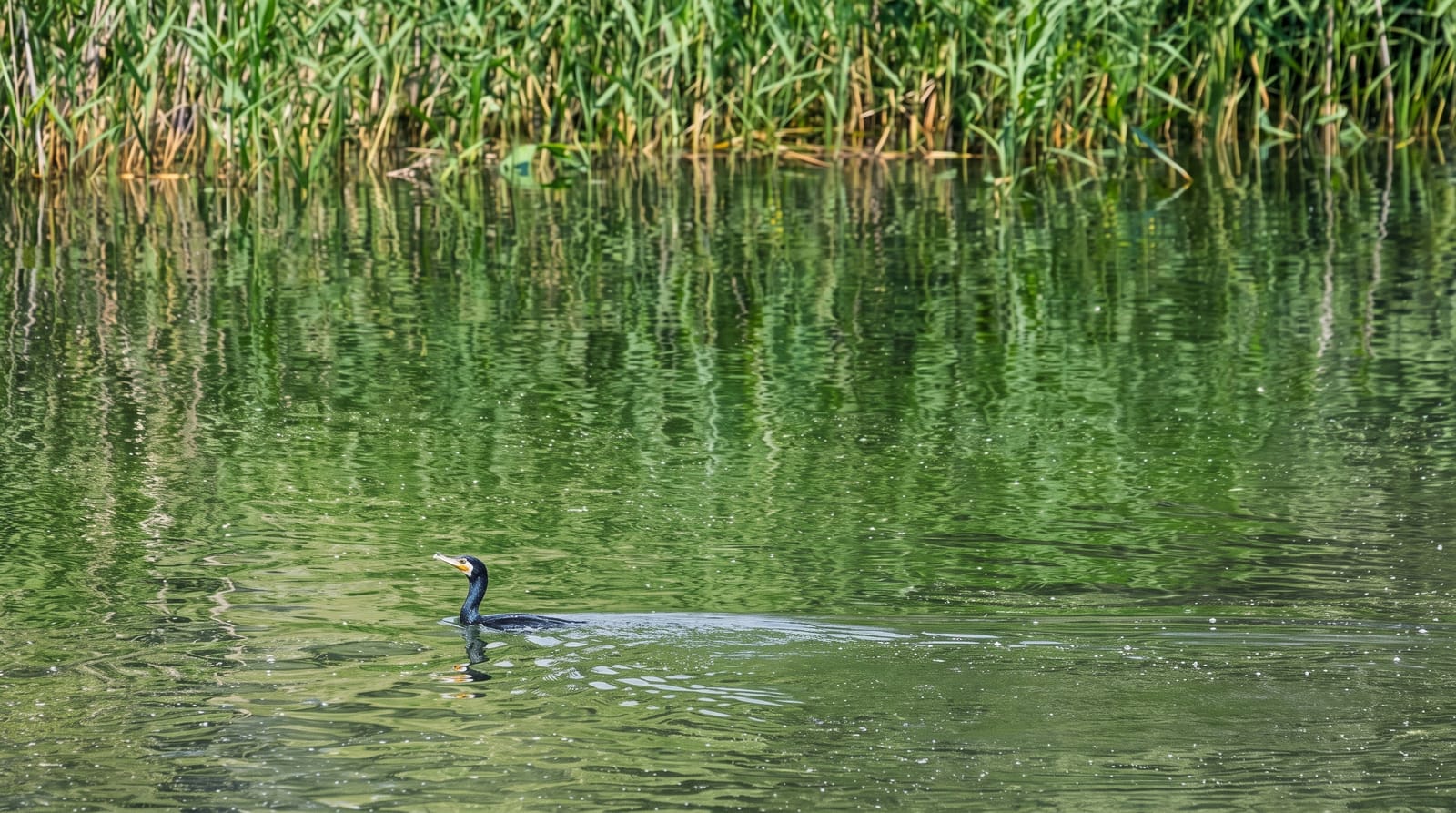
The Danube Delta, where Europe's second-longest river finally reaches the Black Sea in the far east of Romania, is the second-largest delta in Europe after the Volga and the best-preserved on the continent, a vast, remote UNESCO biosphere reserve of an ever-shifting labyrinth of channels, reed beds, lakes, marshes and forests. One of the greatest wetlands in the world, it is a birdwatcher's paradise, home to hundreds of species including great colonies of pelicans, explored by boat through its tranquil, wildlife-rich waterways from the gateway town of Tulcea.
History
Dacians lived in the delta before the Roman conquest, Goths later invaded, and the region changed hands many times until it became part of the Ottoman Empire in the 15th century. After the Russo-Turkish War, the Ottoman-Russian border was set along the Kilia and Old Stambul channels in 1812 and along the St George channel in 1829; the Treaty of Paris that ended the Crimean War in 1856 gave the delta to the Ottomans and set up an international commission that carried out works to aid navigation, and in 1878, after the Ottoman defeat by Russia and Romania, the border between the two countries was fixed on the Kilia and Old Stambul channels. Part of the Romanian delta was marked as a reserve in 1938 and a Ukrainian reserve on the Danube branch was created in 1973; the Romanian part became a World Heritage Site in 1991, and in 1998 the 6,264 square kilometres of the delta became a biosphere reserve shared by Romania and Ukraine (Wikipedia, Danube Delta).
What you'll find
- The waterways - the labyrinth of channels, reeds and lakes.
- The pelicans and birdlife - the great pelican colonies and hundreds of species.
- A boat safari - the tours by fast boat or quiet rowing boat.
- The fishing villages - the remote, traditional delta communities.
When to go
April to June for the peak of the bird migration and nesting, when the birdlife is at its most spectacular, and September for autumn; summer is hot and can be buggy. It is explored only by boat, so a stay of a couple of days and a good guide are best.
Good to know
It is remote, reached via the town of Tulcea and then only by boat, so it takes time and planning, best over a couple of days with a local guide who knows where the wildlife is. Fast motorboat tours can disturb the birds, so quieter boats are better for wildlife. It is a paradise for birdwatchers and nature lovers rather than a place of dramatic sights, and mosquitoes can be fierce.
Nearby
The town of Tulcea and the Black Sea coast are the gateway.
Key facts
Source: Wikidata, item Q184429, read on 18 October 2026.
What to pack for The Danube Delta
Chosen from what this place is for. Tap a kit for the full checklist.
- Broken-in walking shoes or boots - Grip and ankle support matter more than looks; never hike in brand-new boots. Find on Amazon
- Travel rod + reel - A packable multi-piece rod fits in a case and covers most holiday fishing. Find on Amazon
- Binoculars - The single best wildlife tool - even a compact pair transforms a sighting. Find on Amazon
- Layers + a waterproof shell - Mountain weather turns fast; a packable rain jacket saves the day. Find on Amazon
Some links on this page are Amazon affiliate links - if you buy through them we may earn a small commission at no extra cost to you.
All packing kitsPlan your trip
Where to start if The Danube Delta is going on the list.
Booking links on this page are affiliate links - if you book through them we may earn a small commission at no extra cost to you. It never changes what we write about a place.
Opening times, ticket prices and seasonal closures change - check the official source before you go: official site.