The Calouste Gulbenkian Museum
One collector's museum set in a garden: Egyptian sculpture, Persian carpets, Rembrandt, and a room of Lalique jewellery bought from the maker.
Updated 22 October 2026
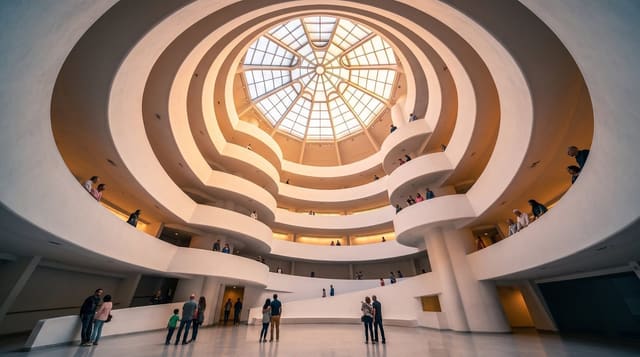
AI illustration
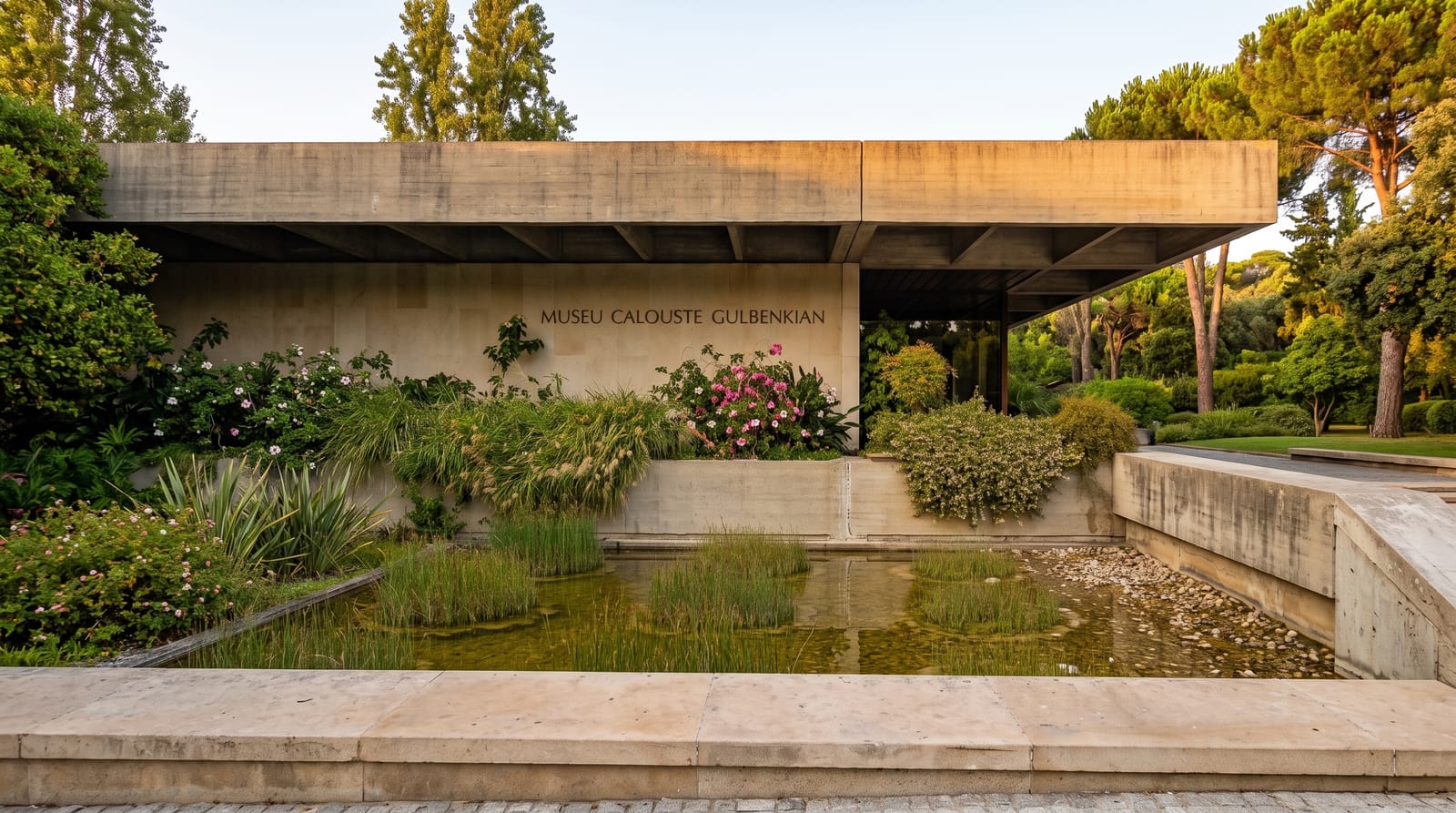
One man assembled all of this. Calouste Gulbenkian made a fortune in oil, spent decades buying at a rate of a few objects a year, and left the result to a foundation in Lisbon, where it opened in 1969 in a low concrete building set in its own garden. The founder's collection runs from Egyptian sculpture and Greek coins through Persian carpets, Ottoman ceramics and Chinese porcelain to Rembrandt, Rubens and eighteenth century French furniture, ending in a darkened room of Rene Lalique jewellery bought directly from the designer. A second building across the garden holds the modern collection, largely Portuguese painting of the twentieth century.
History
Land in the Parque de Santa Gertrudes was bought in April 1957 for the foundation's buildings and park, and a design competition two years later was won by the architects Alberto Pessoa, Pedro Cid and Ruy Jervis d'Athouguia with a team of landscape architects. The buildings and gardens were inaugurated on 2 October 1969 and won the Valmor Prize in 1975, and the Centro de Arte Moderna opened in 1983 (Wikipedia, Calouste Gulbenkian Museum).
What to look for
- The Lalique room - jewellery and glass bought straight from the designer.
- The Islamic rooms - Persian carpets, Iznik tiles and illuminated manuscripts.
- The European painting - Rembrandt, Rubens and eighteenth century France in a few small rooms.
- The garden - a landscaped hollow of ponds and shade between the two buildings.
When to go
Year-round and indoors. The founder's collection is compact enough for two hours and midweek mornings are close to empty. The garden is free and used by locals for lunch, so it works as a break between the two buildings. Concerts run in the auditoriums through the season. It closes one day a week.
Good to know
The building is austere 1960s concrete and does nothing to sell itself, so people expecting a palace are disappointed in the first room. Labels assume some background. The modern collection is a separate ticket and a separate mood, and not everyone wants both in one visit. It stands in a business quarter with nothing charming around it beyond the garden.
Nearby
The Praca de Espanha and Sao Sebastiao metro stops; Parque Eduardo VII downhill.
Key facts
Source: Wikidata, item Q211262, read on 18 October 2026.
What to pack for The Calouste Gulbenkian Museum
Chosen from what this place is for. Tap a kit for the full checklist.
- Comfortable walking shoes - Sightseeing means kilometres of pavement and cobbles daily. Find on Amazon
- A slim anti-theft daypack - Zips that close properly; keep it in front in crowds and on transit. Find on Amazon
- A refillable water bottle - Many cities have public fountains; save money and plastic. Find on Amazon
- A light layer + compact umbrella - For museum air-con and a sudden shower. Find on Amazon
Some links on this page are Amazon affiliate links - if you buy through them we may earn a small commission at no extra cost to you.
All packing kitsPlan your trip
Where to start if The Calouste Gulbenkian Museum is going on the list.
Booking links on this page are affiliate links - if you book through them we may earn a small commission at no extra cost to you. It never changes what we write about a place.
Opening times, ticket prices and seasonal closures change - check the official source before you go: official site.