Zloty Stok Gold Mine
A gold and arsenic mine worked for seven centuries, with the only underground waterfall in Poland inside it.
Updated 12 October 2026
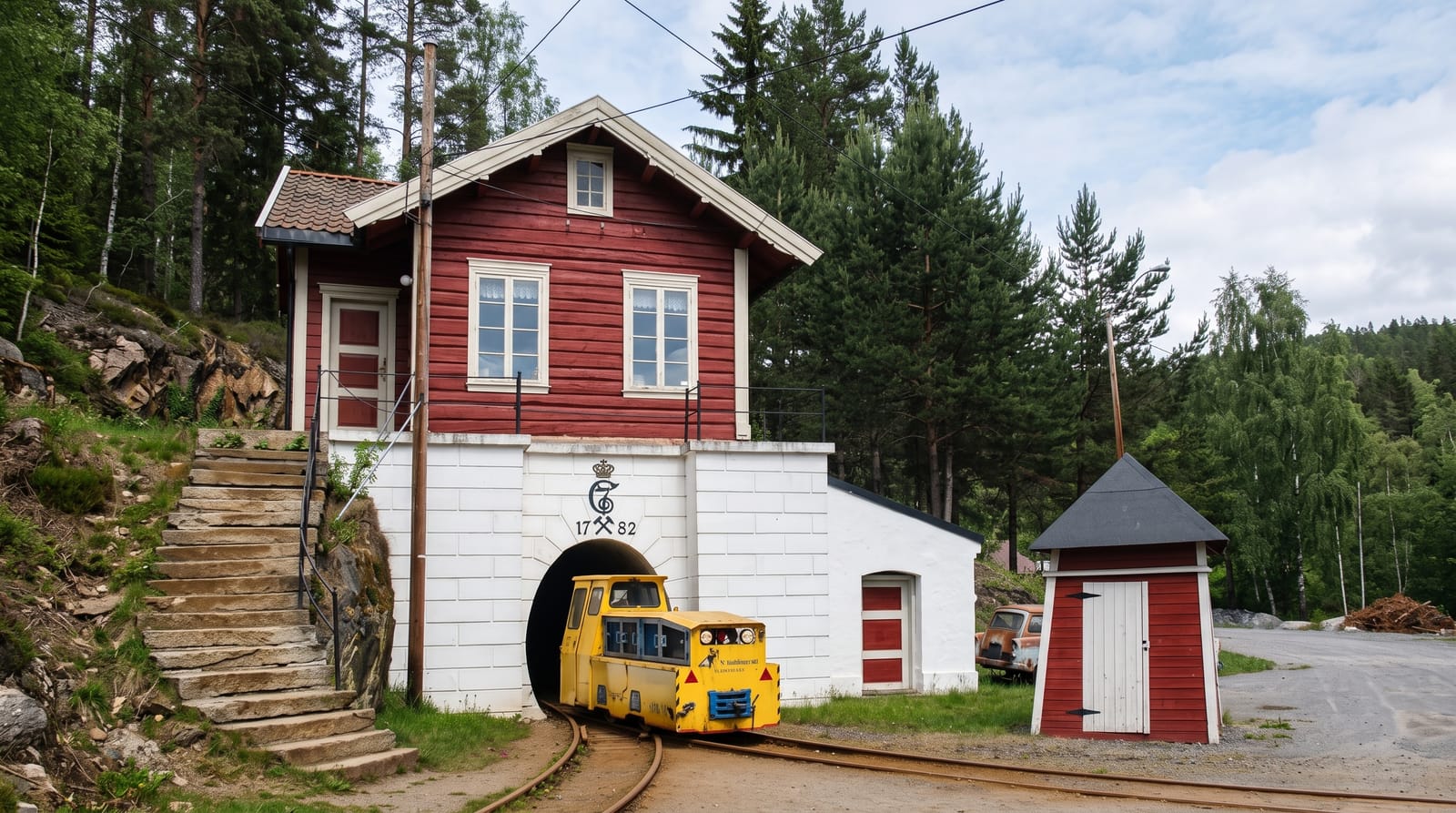
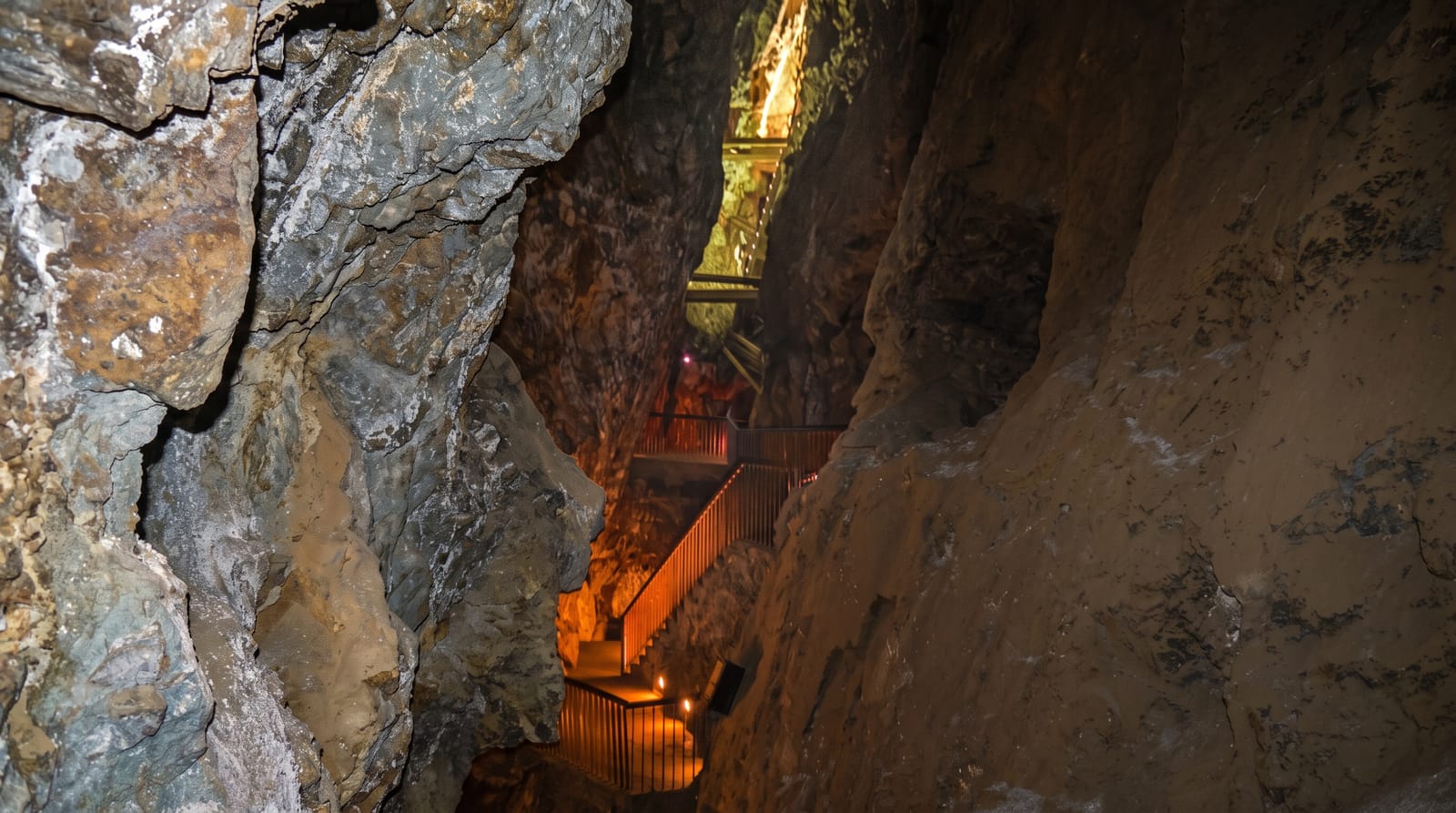
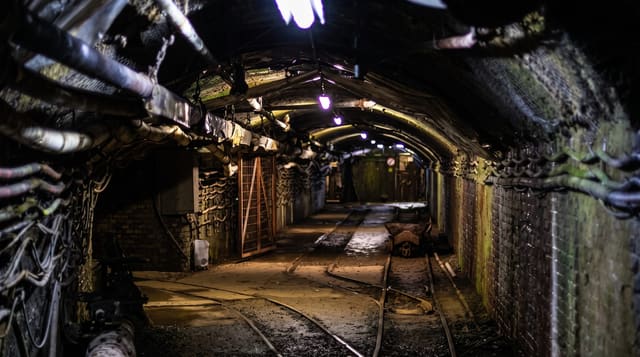
Zloty Stok - the name means golden slope - was one of the richest gold sources in Central Europe from the thirteenth century, and mining here continued in one form or another until 1961, latterly for arsenic rather than gold, since the two occur together in the ore. The mine is now open as a visitor attraction with several kilometres of galleries, of which a section is walked: the Gertruda and Czarna adits, the medieval workings, and the Sopel waterfall, an eight-metre fall inside the rock which is described as the only underground waterfall in Poland open to visitors. There is a narrow-gauge train through part of the route. The arsenic history is not hidden - the mine produced white arsenic on a large scale and the exhibition covers both the industrial process and the poison's reputation. Gold panning is offered on the surface. It stays around eight degrees underground all year.
What to look for
- Seven centuries of working - gold from the 1200s, arsenic until 1961.
- The Sopel waterfall - an eight-metre fall inside the rock, underground.
- Medieval galleries - hand-cut workings on the walked route.
- A mine train - narrow gauge through part of the tunnels.
When to go
April to October. Half a day.
What to expect
Entry is by guided tour on a timetable and books up in summer. It is around eight degrees below ground - bring a layer. Passages are low and wet in places. Not suitable for anyone uneasy underground.
Nearby
Zabkowice Slaskie is north; Klodzko is west.
Key facts
Source: Wikidata, item Q4193404, read on 18 October 2026.
What to pack for Zloty Stok Gold Mine
Chosen from what this place is for. Tap a kit for the full checklist.
- Head torch + spare batteries - Hands-free light is essential; caves are truly dark. Find on Amazon
- Comfortable walking shoes - Sightseeing means kilometres of pavement and cobbles daily. Find on Amazon
- Grippy closed shoes - Cave floors are wet, muddy and slick with formations. Find on Amazon
- A slim anti-theft daypack - Zips that close properly; keep it in front in crowds and on transit. Find on Amazon
Some links on this page are Amazon affiliate links - if you buy through them we may earn a small commission at no extra cost to you.
All packing kitsPlan your trip
Where to start if Zloty Stok Gold Mine is going on the list.
Booking links on this page are affiliate links - if you book through them we may earn a small commission at no extra cost to you. It never changes what we write about a place.
Opening times, ticket prices and seasonal closures change - check the official source before you go: official site.