Rammelsberg Mine
An ore mine worked continuously for over a thousand years, closed in 1988 and listed by UNESCO in 1992.
Updated 14 October 2026

AI illustration
UNESCO World Heritage
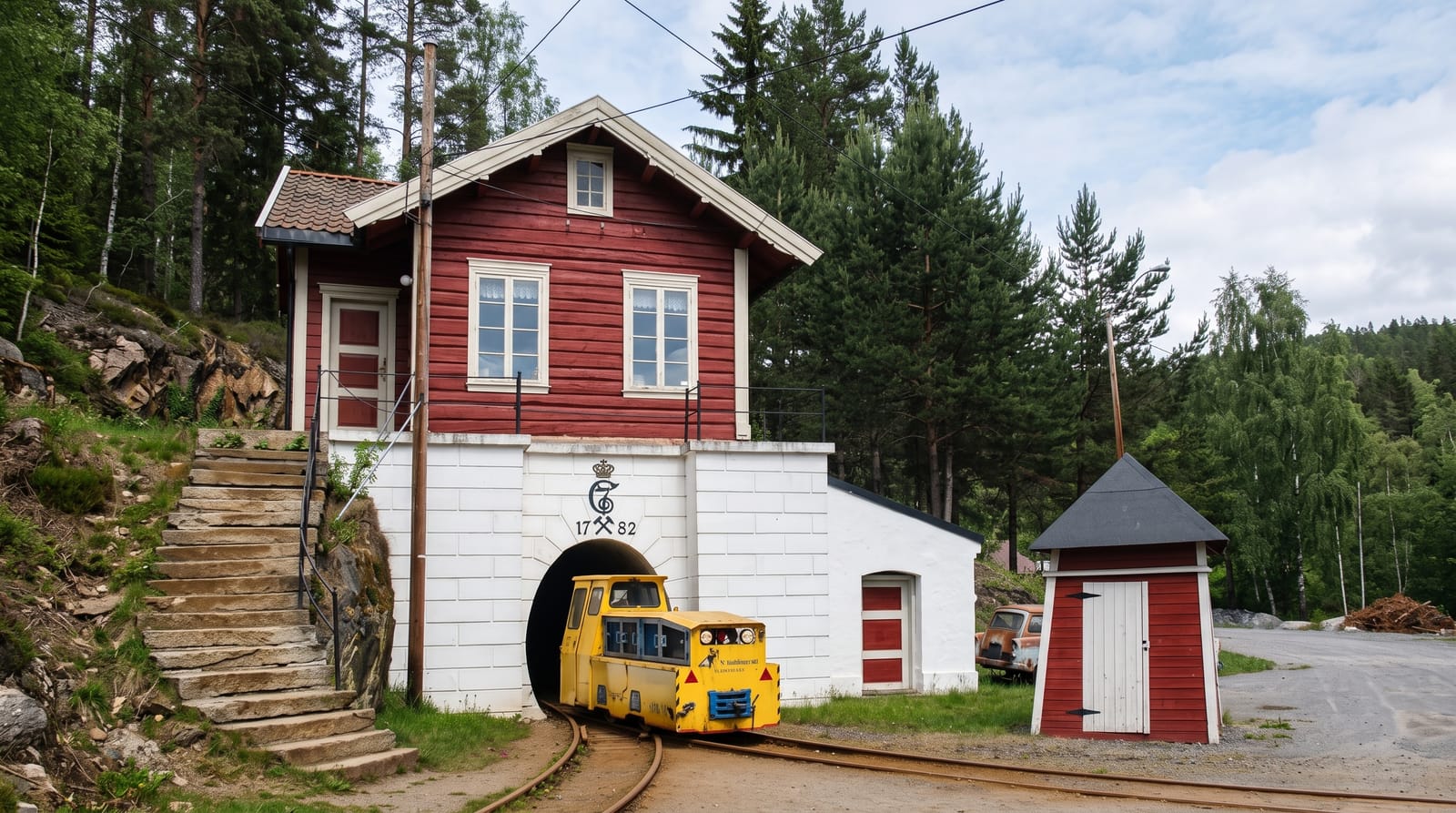
Ore was taken from the Rammelsberg from at least the tenth century and mining continued without a break until 1988, when the deposit was exhausted, making it one of the longest continuously worked mines anywhere; silver from it funded imperial Goslar. Workings from several periods survive, including the Roeder galleries of the eighteenth century with wooden water wheels used to drain and lift, and twentieth-century ore processing plant left in place. UNESCO listed the mine with Goslar's old town in 1992 and extended the listing in 2010 to include the Upper Harz Water Regale, a system of ponds and ditches built to power the mines.
Highlights
- The Roeder galleries - eighteenth-century workings with wooden water wheels.
- The processing plant - twentieth-century ore machinery left in position.
- The thousand-year span - workings from the tenth century to 1988.
- The water system - ponds and ditches of the Upper Harz Water Regale.
When to go
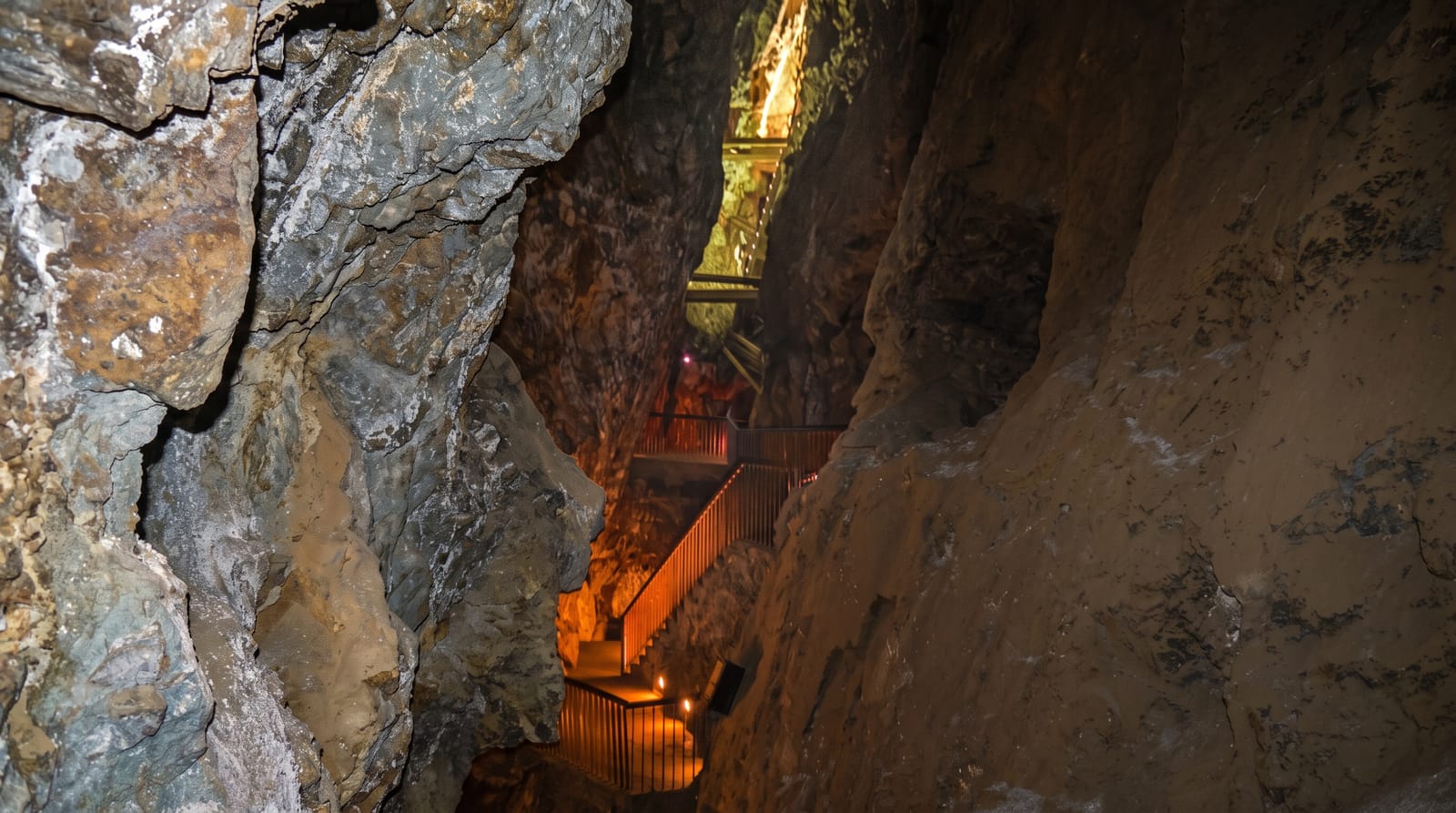
Year-round; underground tours run at set times and it is cool below, around ten degrees. Different tours cover different periods and areas. Booking helps in season.
Before you go
Underground routes involve steps, low sections and damp. Separate tours cover separate areas at separate prices. Not all are available every day.
Nearby
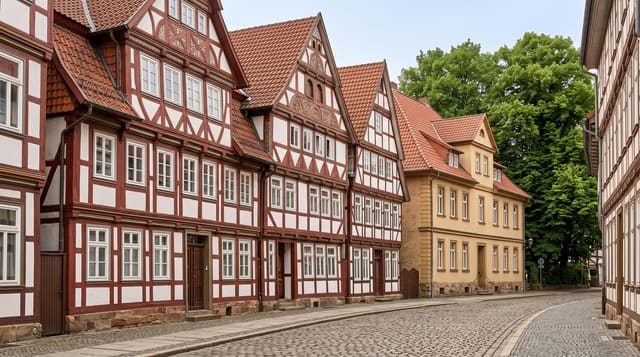
Goslar's old town lies below; the Harz mountains rise south.
Key facts
Source: Wikidata, item Q30134175, read on 18 October 2026.
What to pack for Rammelsberg Mine
Chosen from what this place is for. Tap a kit for the full checklist.
- Head torch + spare batteries - Hands-free light is essential; caves are truly dark. Find on Amazon
- Comfortable walking shoes - Sightseeing means kilometres of pavement and cobbles daily. Find on Amazon
- Grippy closed shoes - Cave floors are wet, muddy and slick with formations. Find on Amazon
- A slim anti-theft daypack - Zips that close properly; keep it in front in crowds and on transit. Find on Amazon
Some links on this page are Amazon affiliate links - if you buy through them we may earn a small commission at no extra cost to you.
All packing kitsPlan your trip
Where to start if Rammelsberg Mine is going on the list.
Booking links on this page are affiliate links - if you book through them we may earn a small commission at no extra cost to you. It never changes what we write about a place.
Opening times, ticket prices and seasonal closures change - check the official source before you go: official site.