Kongsberg Silver Mines
A train ride 2,300 metres into a mountain to reach workings that produced native silver for over three centuries.
Updated 21 October 2026
AI illustration
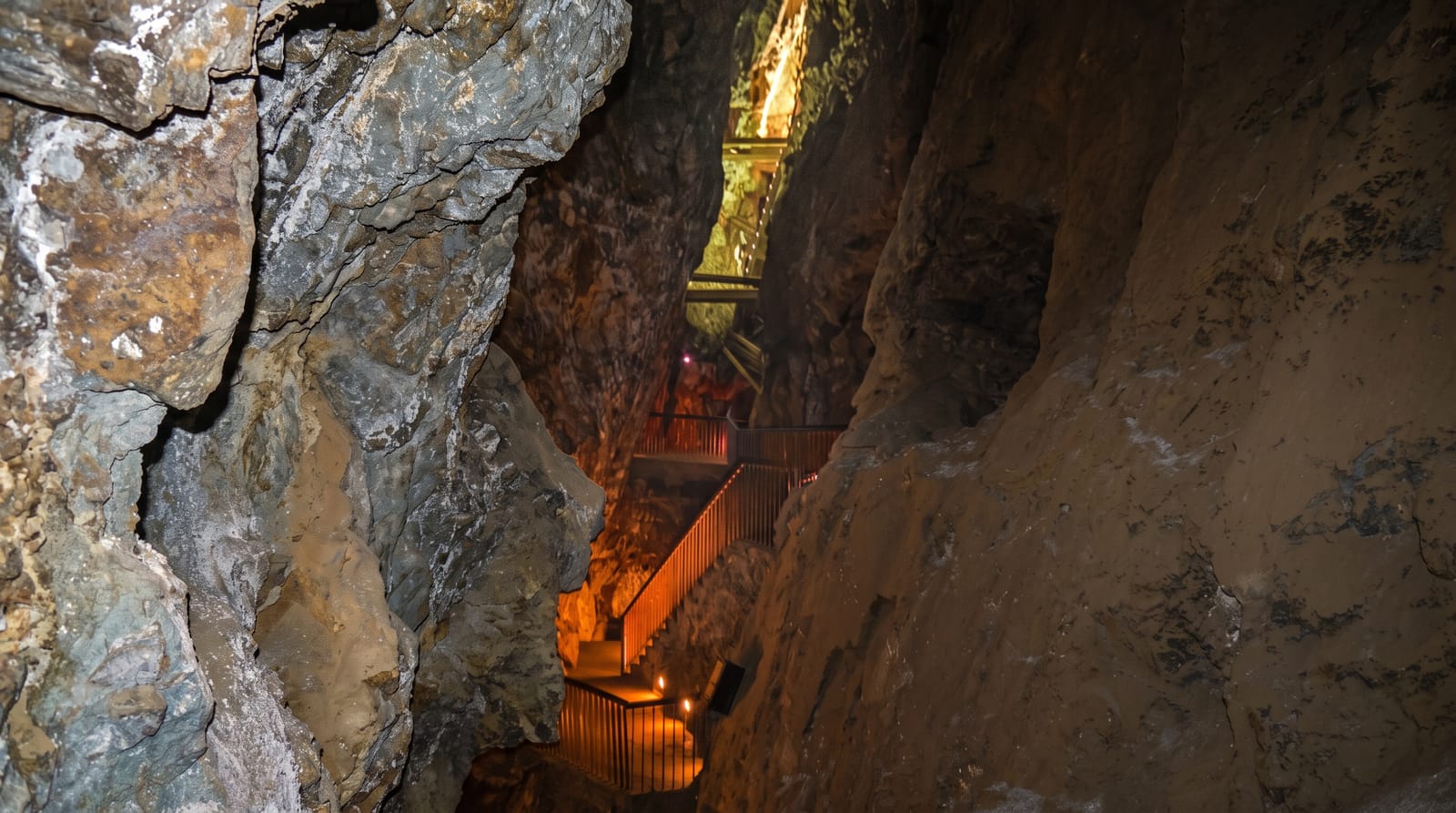
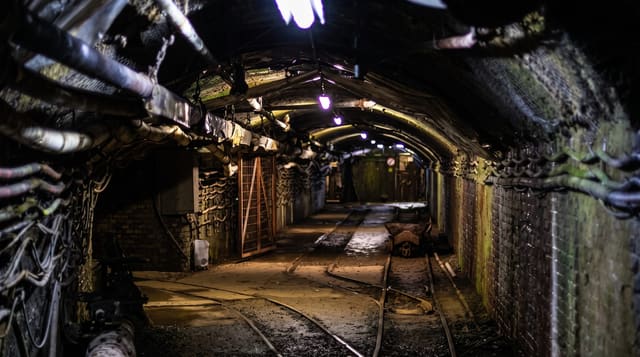
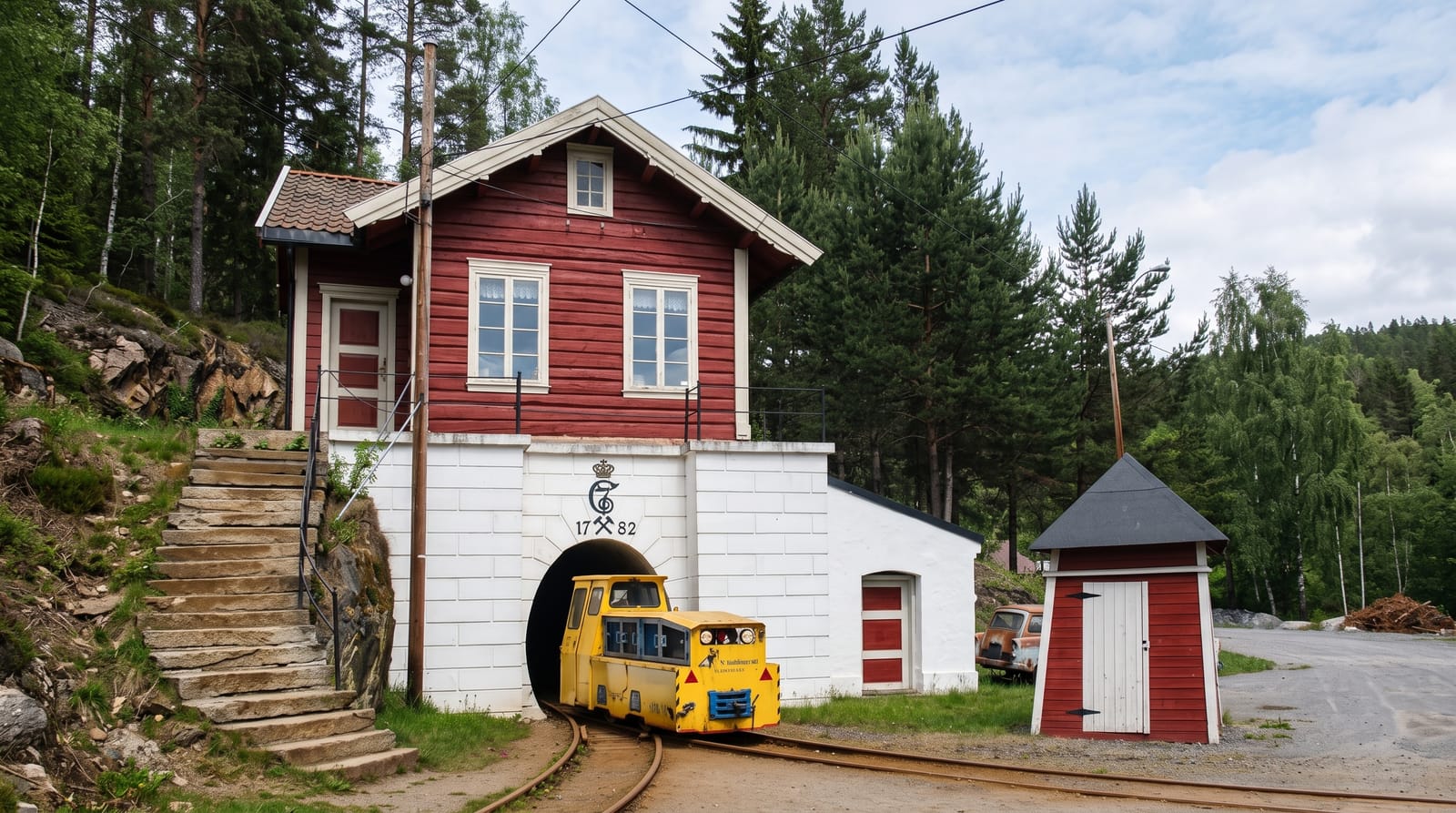
Silver was found at Kongsberg in 1623 and mined until 1958, and the town was built on it, at one point the second largest in Norway. The silver here occurs as native metal in wire and crystal form rather than as ore requiring smelting, and specimens from Kongsberg are in mineral collections worldwide. The visitor experience is the Kongens gruve, the King's Mine, entered by a mine train that runs 2,300 metres horizontally into the mountain to a chamber 342 metres below the surface, where guides explain the working conditions, the ventilation and drainage systems, and the fire-setting method used before explosives. The temperature underground is about six degrees year-round.
History
The mines worked from 1623 until 1958 across more than 80 sites, the largest pre-industrial workplace in Norway, with over 4,000 workers at their peak in the 1770s; the traditional story says silver was found between 1 and 5 July 1623 by two children, Helga and Jacob, herding cattle on Gruveåsen. Mining there was already mentioned in 1532 in Jacob Ziegler's book on Scandinavia, and Christian III started a venture with German miners in 1539 (Wikipedia, Kongsberg Silver Mines).
The main sights
- The mine train - a 2,300-metre ride into the mountain.
- The underground chambers - workings 342 metres below the surface.
- The fire-setting evidence - rock cracked by heat before explosives existed.
- The drainage systems - centuries of engineering to keep the mine dry.
When to go
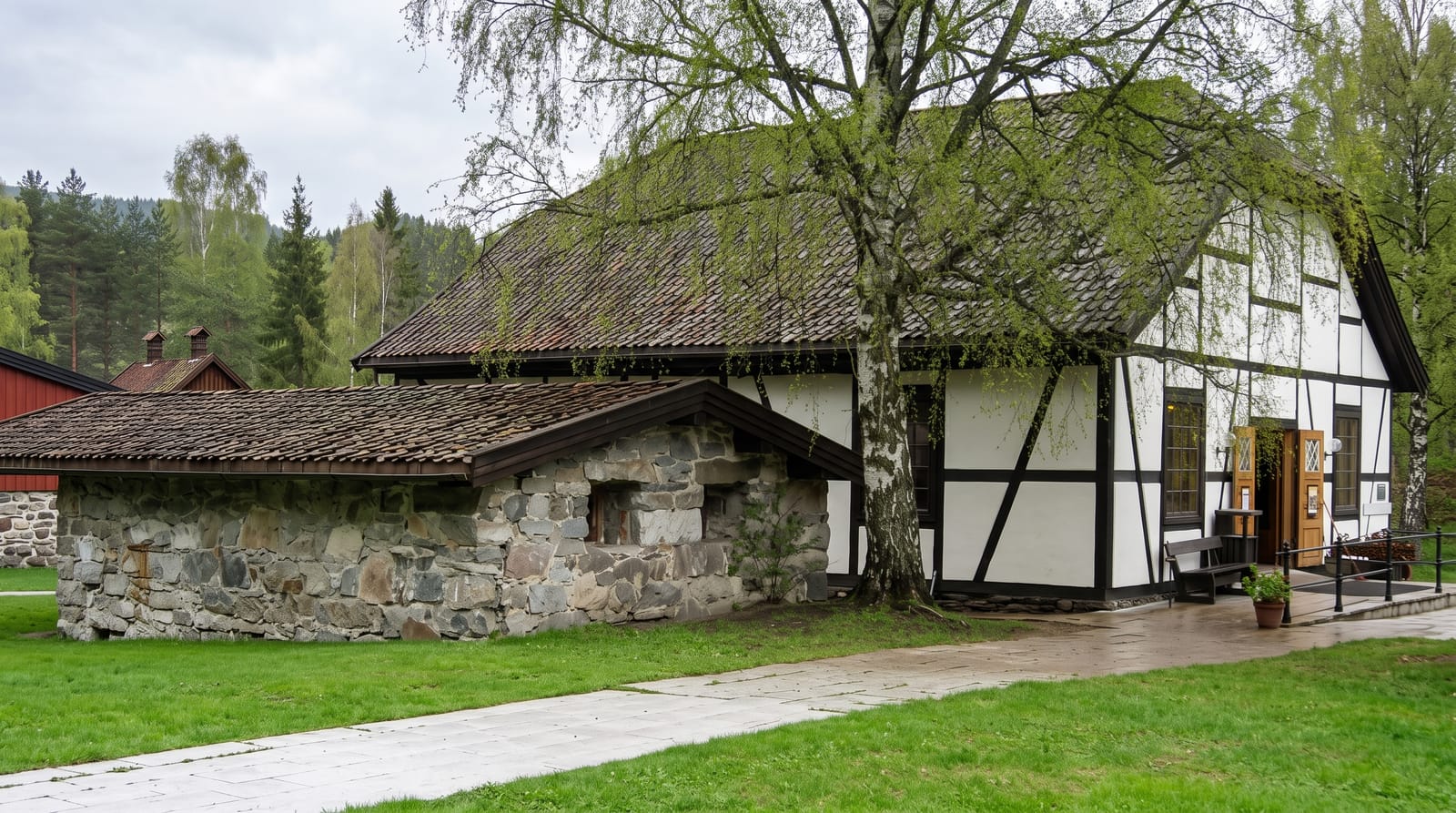
May to September, the guided season; tours run at set times and the mine is closed in winter. The Norwegian Mining Museum in Kongsberg town opens year-round and holds the silver specimens.
Practical notes
The mine is six degrees inside regardless of the weather, so warm clothing is needed even in July. Tours are guided at fixed times and can sell out. The train ride is long, dark and enclosed, which suits some visitors badly.
Nearby
The Norwegian Mining Museum is in Kongsberg; Blaafarvevaerket lies north toward Modum.
Key facts
Source: Wikidata, item Q59046, read on 18 October 2026.
What to pack for Kongsberg Silver Mines
Chosen from what this place is for. Tap a kit for the full checklist.
- Head torch + spare batteries - Hands-free light is essential; caves are truly dark. Find on Amazon
- Comfortable walking shoes - Sightseeing means kilometres of pavement and cobbles daily. Find on Amazon
- Grippy closed shoes - Cave floors are wet, muddy and slick with formations. Find on Amazon
- A slim anti-theft daypack - Zips that close properly; keep it in front in crowds and on transit. Find on Amazon
Some links on this page are Amazon affiliate links - if you buy through them we may earn a small commission at no extra cost to you.
All packing kitsPlan your trip
Where to start if Kongsberg Silver Mines is going on the list.
Booking links on this page are affiliate links - if you book through them we may earn a small commission at no extra cost to you. It never changes what we write about a place.
Opening times, ticket prices and seasonal closures change - check the official source before you go: official site.