Guido Mine
A coal mine open at 320 metres down, one of the deepest coal levels visitors can reach in Europe, with concerts held in it.
Updated 18 October 2026
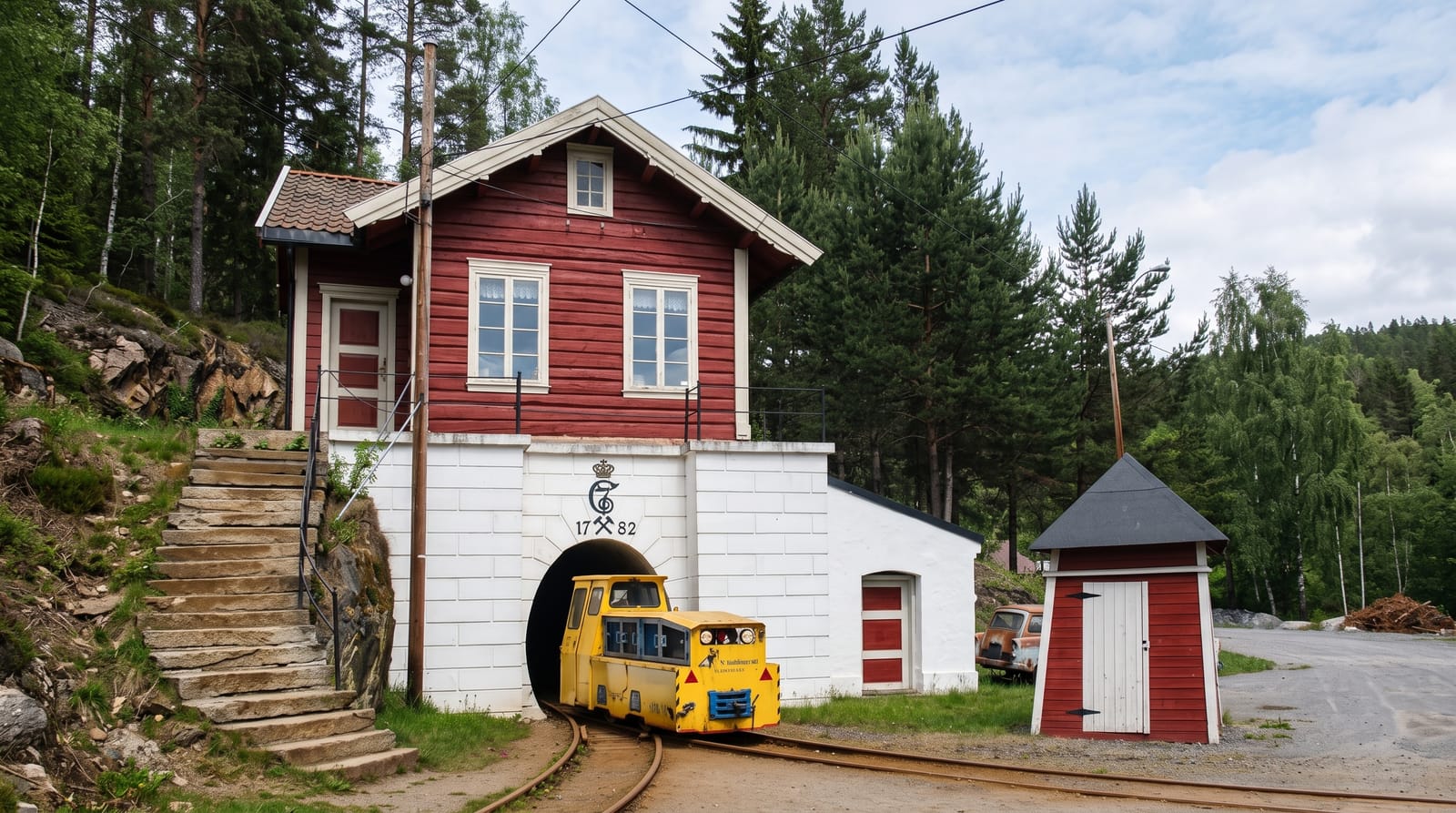
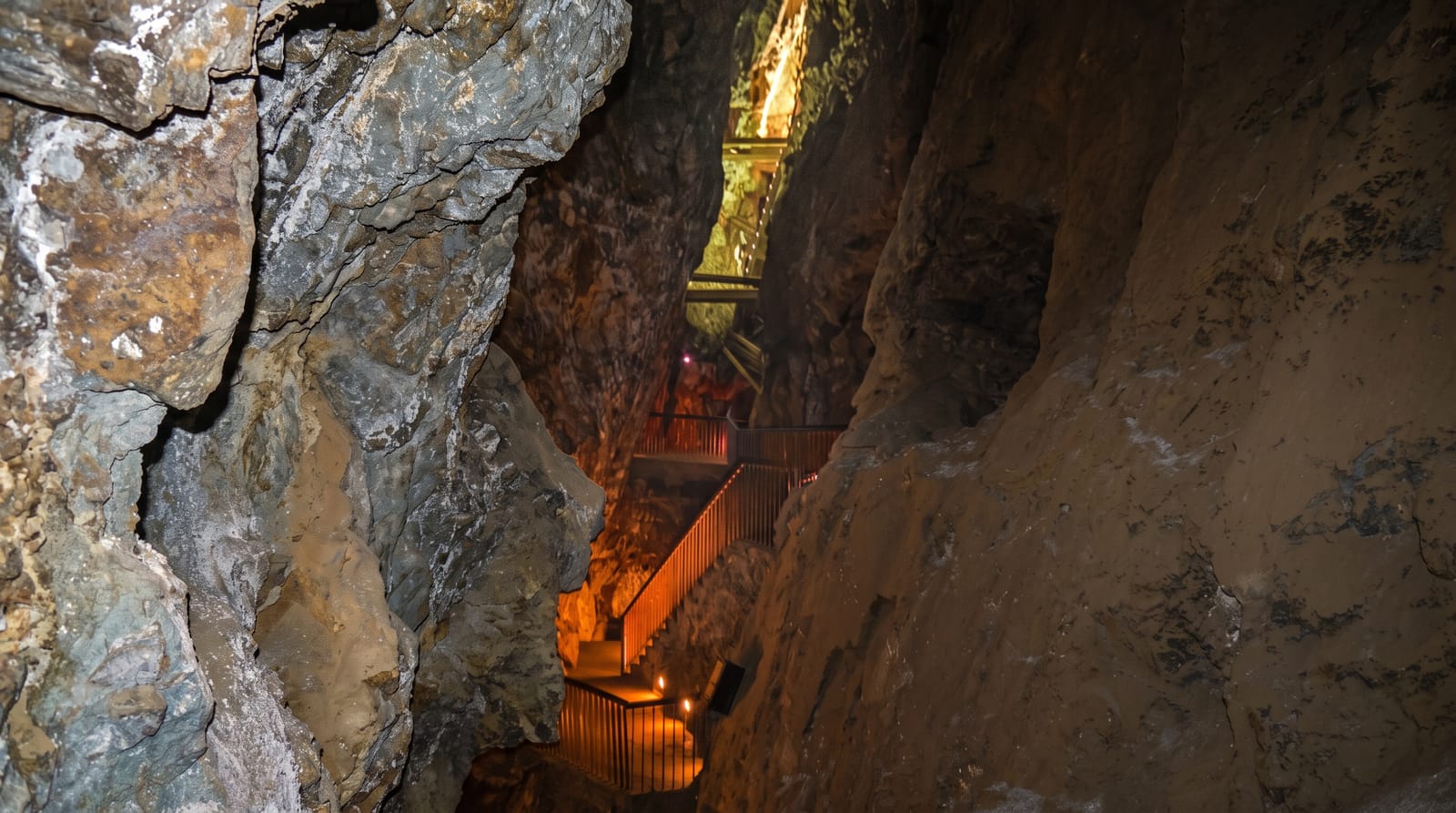
Guido was sunk from 1855 by Guido Henckel von Donnersmarck, one of the great Upper Silesian industrial magnates, and worked until 1960, reopening in 1967 as a test mine for mining machinery. It is now a museum, and its distinction is depth: visitors descend by cage to the 170-metre level and, on the longer route, to 320 metres, one of the deepest coal-mine levels open to tourists in Europe - Pozo Sotón in Asturias takes visitors to about 550 metres, and the Merkers salt mine in Germany to 500 metres and beyond. The 320 level is a working-condition coal face with the machinery of the last decades in place - shearers, conveyors, roof supports - operated for visitors so the noise and scale come across, which is a different experience from the tidy historic galleries higher up. There is a pub at 320 metres and a concert space where bands play underground. The neighbouring Krolowa Luiza site and the Zabrze coal mining museum form one complex, part of the Industrial Monuments Route across Silesia.
History
Guido Henckel von Donnersmarck opened the mine in 1855 to supply coal to his mills. Sinking it was hard going through sand and a tectonic fault: the first shaft, Barbara, was given up at 30 metres in 1856, water was struck at 117 metres, and it took help from the Upper Silesian Railway company to drain the workings and dig a new shaft to the 170-metre level. Output peaked in 1885 at 312,976 tonnes; the Prussian state bought the mine in 1887 and the shafts were deepened to 320 metres, and once the coal was worked out it served to pump water from neighbouring mines. It closed in 1960, reopened in 1967 as a test mine for mining machinery, was listed as a monument in 1987, and the present museum opened its 170-metre level in 2007 and the full 320 metres in 2008 (Wikipedia, Guido Mine).
What's there
- A descent to 320 metres - one of the deepest coal-mine levels open to visitors in Europe.
- A working coal face - shearers and conveyors run for visitors at the bottom.
- Nineteenth-century levels - the older galleries at 170 metres.
- Concerts underground - a performance space and a pub at depth.
When to go
All year. Half a day.
What to expect
Entry is by guided tour with fixed departure times and helmets. The deep route involves ladders and noise and has age and health restrictions. It is cool and damp. Book ahead at weekends.
Nearby
The Krolowa Luiza mine and Zabrze's industrial route sites are close.
Key facts
Source: Wikidata, item Q820499, read on 18 October 2026.
What to pack for Guido Mine
Chosen from what this place is for. Tap a kit for the full checklist.
- Head torch + spare batteries - Hands-free light is essential; caves are truly dark. Find on Amazon
- Comfortable walking shoes - Sightseeing means kilometres of pavement and cobbles daily. Find on Amazon
- Grippy closed shoes - Cave floors are wet, muddy and slick with formations. Find on Amazon
- A slim anti-theft daypack - Zips that close properly; keep it in front in crowds and on transit. Find on Amazon
Some links on this page are Amazon affiliate links - if you buy through them we may earn a small commission at no extra cost to you.
All packing kitsPlan your trip
Where to start if Guido Mine is going on the list.
Booking links on this page are affiliate links - if you book through them we may earn a small commission at no extra cost to you. It never changes what we write about a place.
Opening times, ticket prices and seasonal closures change - check the official source before you go: official site.